Shopping in Fethiye: Bazaars, Markets and High Street Shops
A practical guide to shopping in Fethiye, from the vine-shaded Paspatur bazaar and the Tuesday market to the fish market side streets and Erasta shopping centre.
On this page
Shopping in Fethiye fits into a single compact town centre, so you can cover the Paspatur bazaar, the fish market side streets and the main shopping streets in one unhurried afternoon rather than trailing between out-of-town retail parks. The split is simple: Paspatur for carpets, ceramics, crafts, jewellery and leather, the lanes around the fish market for spices, coffee, copperware and repairs, and Çarşı Caddesi and its pedestrianised side streets for clothing. This guide covers each area in turn, then what to buy, how to pay, and what to leave behind if your luggage is tight.
Where shopping in Fethiye happens
The centre is small enough to walk between the shopping areas, and each cluster has a different character. The old town, known as Paspatur, is pedestrianised, cobbled and shaded by vines and awnings, which makes it the most pleasant part of town to browse. Around it sit the everyday streets where local people shop, so a single loop takes in both the souvenir end and the practical end of Fethiye retail.
Use a Fethiye map before you set out, because the shopping streets sit close together and the names do not make the layout obvious. Atatürk Caddesi and Çarşı Caddesi are the two main arteries, with the pedestrianised lanes running off Çarşı Caddesi, and the Dispanser area tucked behind the main town square as a further pedestrianised pocket.
Paspatur bazaar: carpets, ceramics and leather
Paspatur is the old town, and its cobbled, vine-shaded lanes are where the gift shops cluster. Plenty of it is standard tourist stock, but a good number of shops sell colourful Turkish carpets and kilims, high-quality ceramics, handmade crafts, jewellery and leather goods, alongside small locally owned boutiques with handmade costume jewellery and clothing. Treat it as a browsing district rather than a single market hall: the pleasure is in wandering the shaded streets and comparing what several shops have.
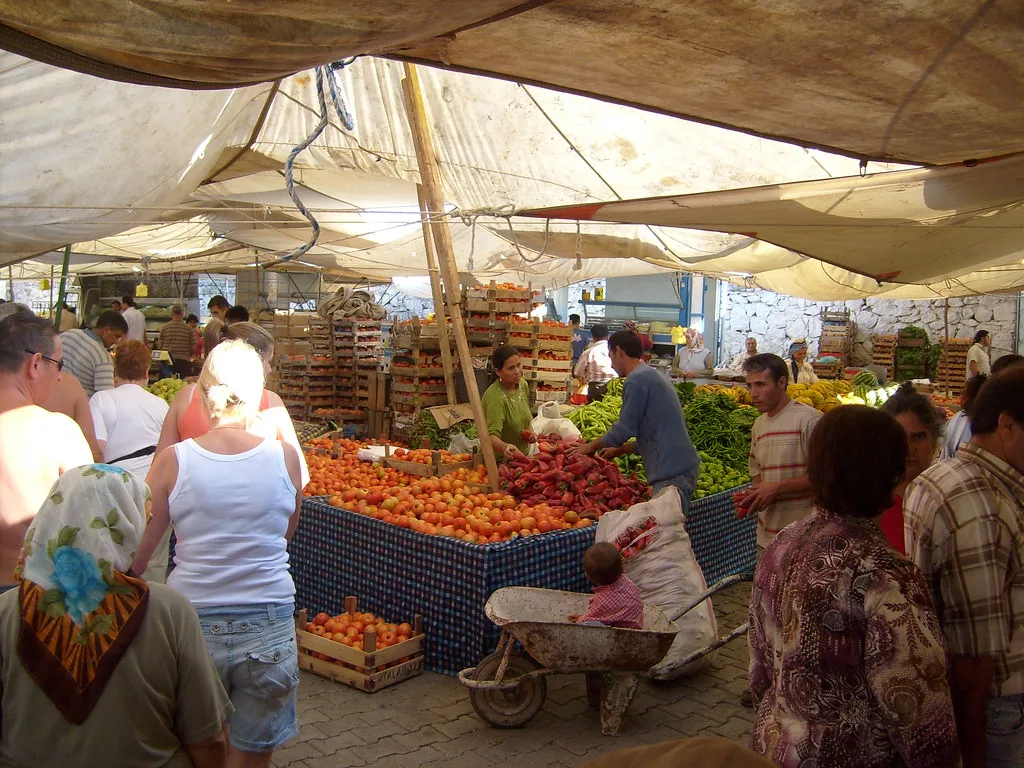
If you want the market experience as well as the shops, the Fethiye bazaar and the Tuesday market are usually covered together, since both trade in the same mix of textiles, leather and souvenirs. The Tuesday market is the one most visitors have heard of, and it is where the fake designer bags and sportswear tend to surface; the bazaar streets are better for ceramics, kilims and jewellery.
Umbrella Street and the Çarşı Caddesi lanes
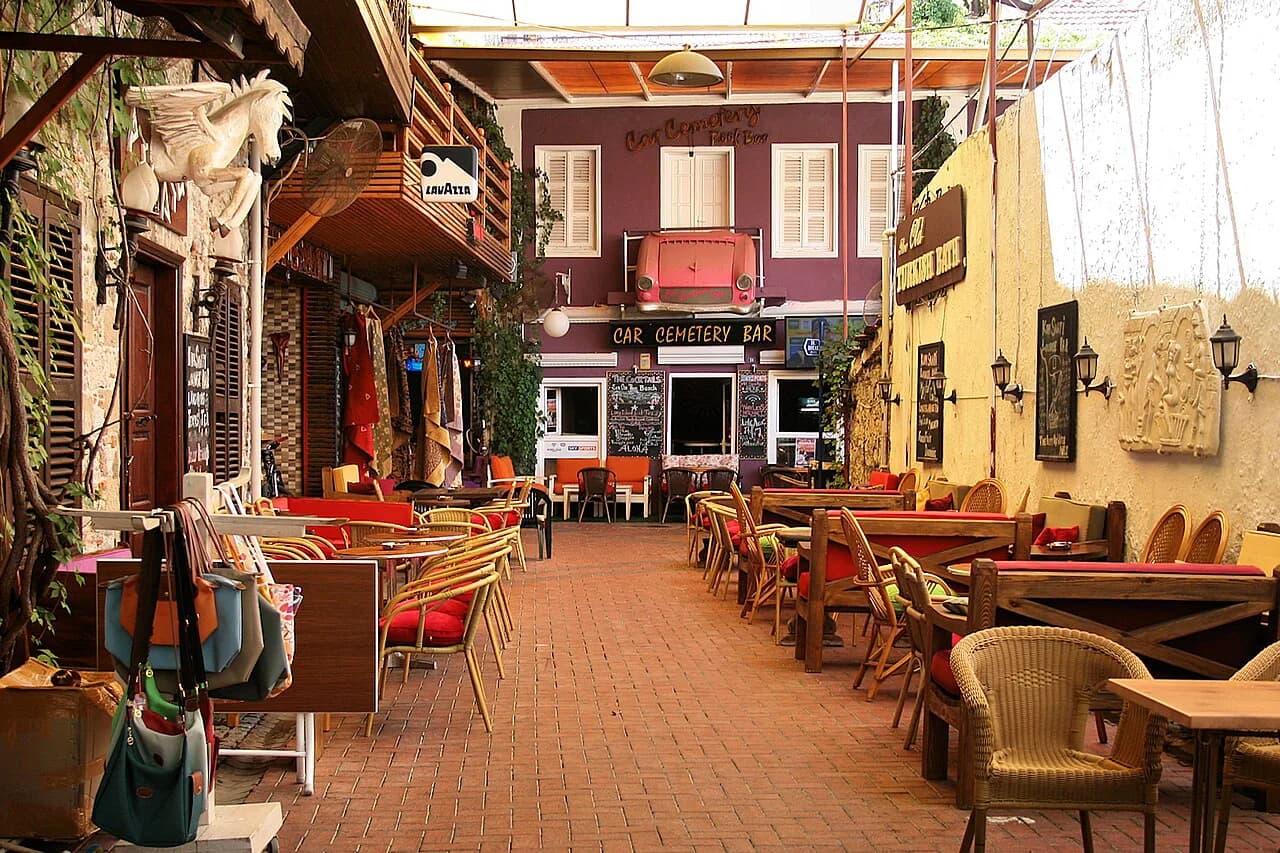
For clothing, footwear and accessories, walk Atatürk Caddesi and Çarşı Caddesi and dip into the pedestrianised streets off Çarşı Caddesi, including Umbrella Street. That street is properly 95 Sokak, and in summer the air conditioning from the shops spills out onto it, so it works as a cool, shaded stretch of shopping when the afternoon heat builds. Independent, locally owned clothing boutiques are scattered through these lanes, and you can browse them at your own pace.
The shaded streets of the Dispanser area behind the main town square add another pedestrianised stretch. Erasta AVM is Fethiye's shopping centre, with a selection of stores for clothing, lingerie and footwear.
The fish market perimeter and side streets
The Fethiye fish market is ringed with small stores, and a handful of them sell a wide spread of fragrant spices and herbal teas. This is also where to follow your nose to the coffee stalls, which roast beans on site and sell Turkish coffee by weight. The side streets around the perimeter are the most local-feeling shopping in the centre, and a good place to pick up edible gifts that weigh little.
Practical shopping lives here too. You can leave worn shoes with the cobbler for same-day repair, have a watch mended or fitted with a new battery or strap at the wooden kiosk on the corner, and buy traditional Turkish copperware from the surrounding shops. Look out for the man sitting on the pavement outside his knife store sharpening blades for customers.
Edible souvenirs: sweets, honey, nuts and coffee
Turkish delight, baklava, helva and sherbet are the familiar sweet souvenirs, and pismaniye, a delicate Turkish sweet often sold with pistachios or chocolate, is worth trying before you commit to a box. Rose petal jam, Turkish marzipan, dried fruit and Antep fıstığı pistachios all travel reasonably well, and pine honey is a distinctly Turkish purchase. Ground spices lose their punch over time, so choose whole spices and seasonings where you can.
Tea and coffee are easy to carry home, and a set of Turkish tea glasses makes a serviceable gift. Ask the coffee seller how to brew what you buy before you pack it, since Turkish coffee is ground far finer than most visitors expect. Pomegranate sauce, local wine and rakı are heavier and more fragile, so weigh them against your baggage allowance.
Ceramics and olive oil cosmetics: judging quality
Turkish ceramics vary widely in quality, and the strongest pieces are made from white clay with a high quartz content, which lets you use them daily at home rather than keeping them for show. Tap a plate gently and listen: a clear, ringing note close to porcelain suggests a well-fired piece. Souvenirs range from simple mugs to large amphorae and oriental-style lamps, so decide on size and weight before you fall for something enormous.
Handmade olive oil soaps and lotions are another common purchase, and they sit alongside the edible and craft souvenirs in the same shops. If you are buying several, check packaging and lids before paying, because a leaking bottle in a suitcase is a common holiday regret.
Fethiye versus Ölüdeniz and Hisarönü
Fethiye has far more souvenir shops than either Ölüdeniz or Hisarönü, and the Tuesday market carries most of the same goods in a wider assortment, which makes the town the better base for a serious shopping trip. The two holiday villages stock a limited range and charge somewhat higher prices for the convenience of buying near your hotel. If you are staying in Ölüdeniz or Hisarönü, plan one town day in Fethiye rather than relying on the village strip.
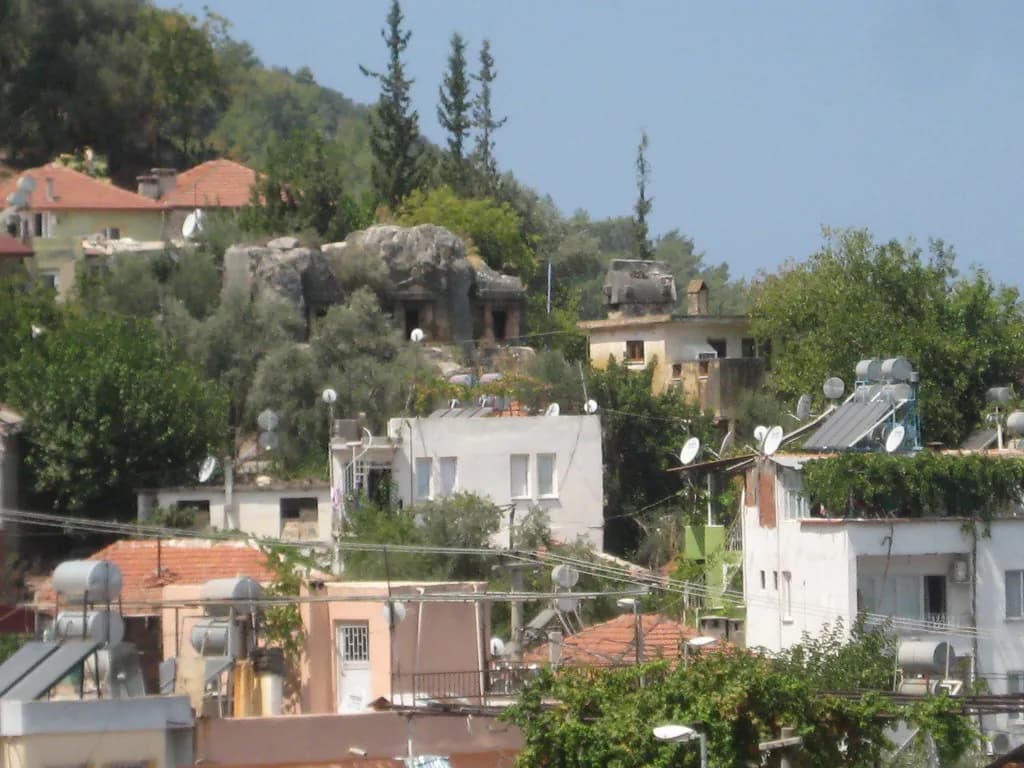
Town shopping is also a sensible pairing with the sights, since the centre drops you within walking distance of the harbour and the lanes below the Amyntas Rock Tombs. Shoppers based on the coast can work a morning of browsing around a visit to the Blue Lagoon at Ölüdeniz, which is a short drive from Fethiye.
Erasta AVM and mainstream brands
Erasta AVM is Fethiye's shopping centre, with a selection of stores covering clothing, lingerie and footwear as well as the usual centre amenities. It is the sensible stop when you want a specific size or a known brand rather than a one-off souvenir. Because it is a single building, it also works on a hot or wet day when wandering the bazaar streets loses its appeal.
Haggling, paying and practicalities
In market and bazaar shopping a quoted price can be a starting point rather than a fixed tag, so shop around before you settle on a figure. Decide your ceiling in advance and treat the exchange as good-humoured rather than a contest.
Carry some cash for market stalls and side-street shops, and a card for larger stores, since small independent sellers may not take cards. Prices move with the exchange rate, so ask in the shop rather than budgeting from an old figure, and confirm any receipt or payment arrangements at the till before you pay.
What to leave out if luggage or time is short
Copperware, large ceramics and amphorae are the items most likely to blow your baggage allowance, so buy them only if you have planned the packing. Spices, coffee, tea, sweets and soap give you the same sense of place in a fraction of the weight. If you only have an afternoon, do Paspatur first for the atmosphere, then the fish market side streets for edible gifts.
If your time in town is tight, the Fethiye market is the single most efficient stop, since it gathers most of the goods described here in one place. Browse the stalls, buy the light things, and leave the furniture-sized souvenirs for another trip.
Which shopping street first?
Start in Paspatur for the shaded old-town lanes and a sense of what is on offer, then walk the short distance to the fish market perimeter for spices, coffee and copperware. Finish on Çarşı Caddesi and Umbrella Street if you want clothes, or head to Erasta AVM when you need a specific brand. That order keeps you in the shade during the hottest part of the day and puts the heavy items last, near the point where you turn back.
Frequently Asked Questions
Are clothes cheap to buy in Turkey?
It depends what you buy and where. Fethiye has locally owned boutiques and mainstream brand stores alongside market copies, and prices shift with the exchange rate, so compare a few shops before committing. Check the price tag in the shop rather than relying on any figure quoted online.
Which day is market day in Fethiye?
The Tuesday market is the one most visitors have heard of, and it is where copies of designer bags and sportswear tend to turn up. Market arrangements can change, so it is worth confirming details locally before you plan your week around it.
Sources
Notes for your next Turkey trip
Optional updates when we add or correct a town guide.
You might also like
Continue reading
More guides you'll find useful