Is Antalya Worth Visiting? An Honest Answer for UK Visitors
Antalya suits some holidays and not others. Here is what the old town, the ruins and the coast give you, and who tends to leave disappointed.
On this page
Antalya is worth visiting if you want a Mediterranean resort holiday with a real old town attached: pool days and beaches at Lara or Konyaaltı, then a morning in Kaleiçi walking under Hadrian's Gate and down to the old harbour. It suits less well as a long-stay base, because the historic centre is small, the sightseeing inside the city can be covered in about a day, and the big archaeological sites need a tour or public bus to reach.
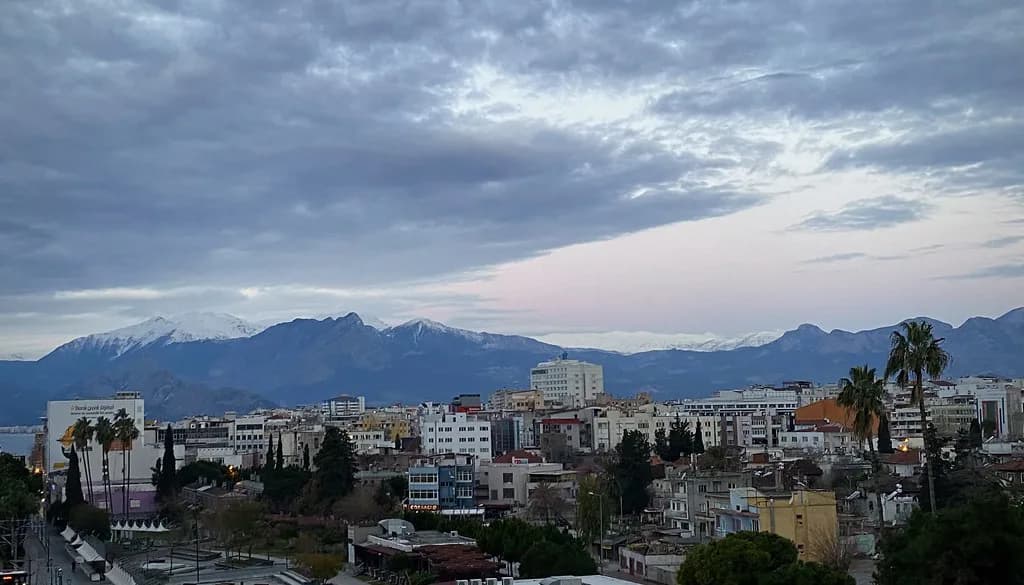
The city is a working metropolis of well over two million people on the Turquoise Coast, backed by the Taurus Mountains, and it does not hide its size once you leave Kaleiçi. Be honest about which Antalya you are booking: an all-inclusive stay down the coast with a day of sightseeing, or a city base you use for a week of day trips.
Who Antalya suits
Families, couples and first-time visitors to Turkey do well here. The city pairs a large choice of resorts with a compact historic core, so you can swim in the morning and stand under a Roman arch by mid-afternoon without changing hotel. If your idea of a holiday is a lounger, a pool and a good meal looking out to sea, Antalya delivers.
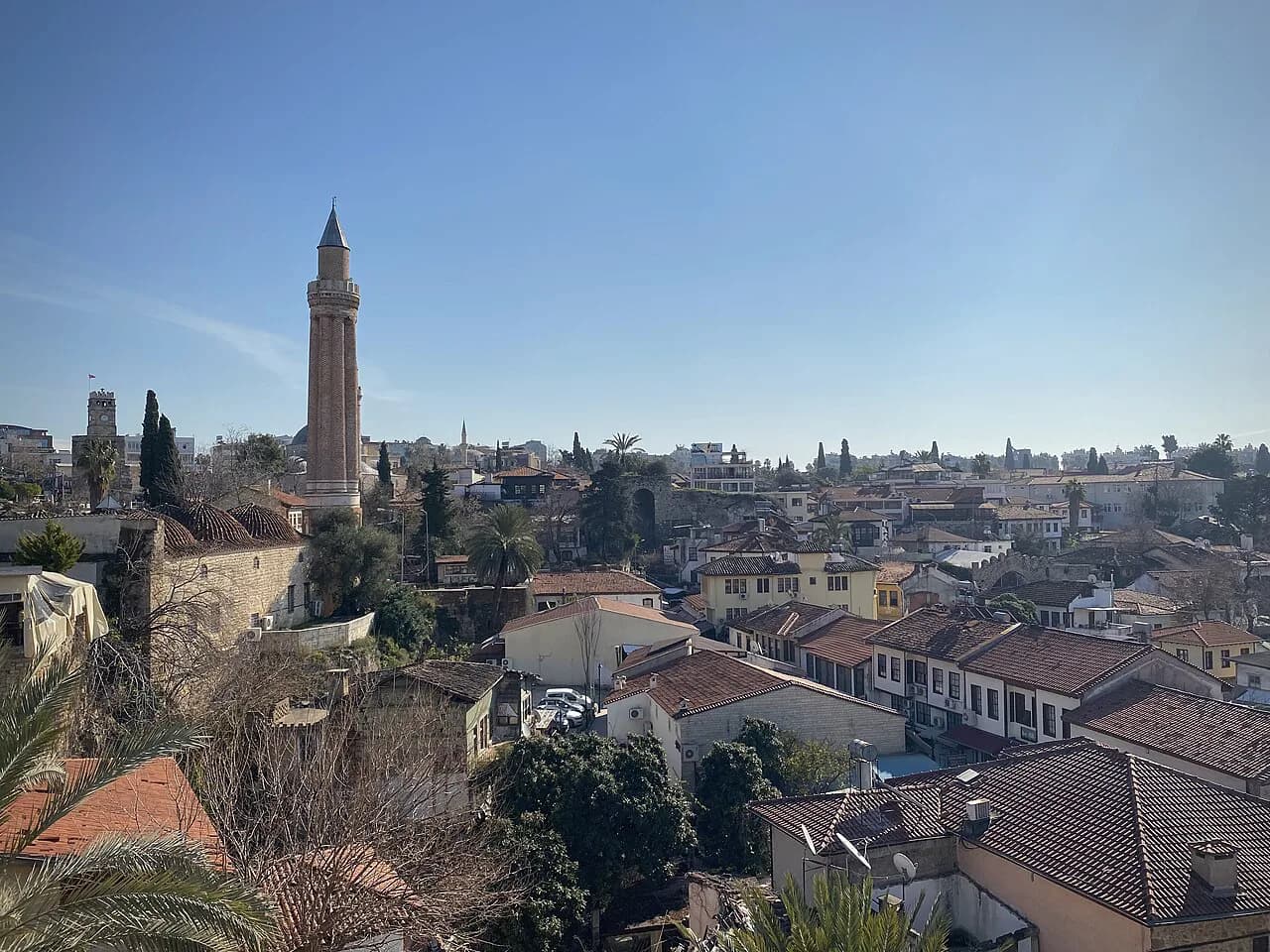
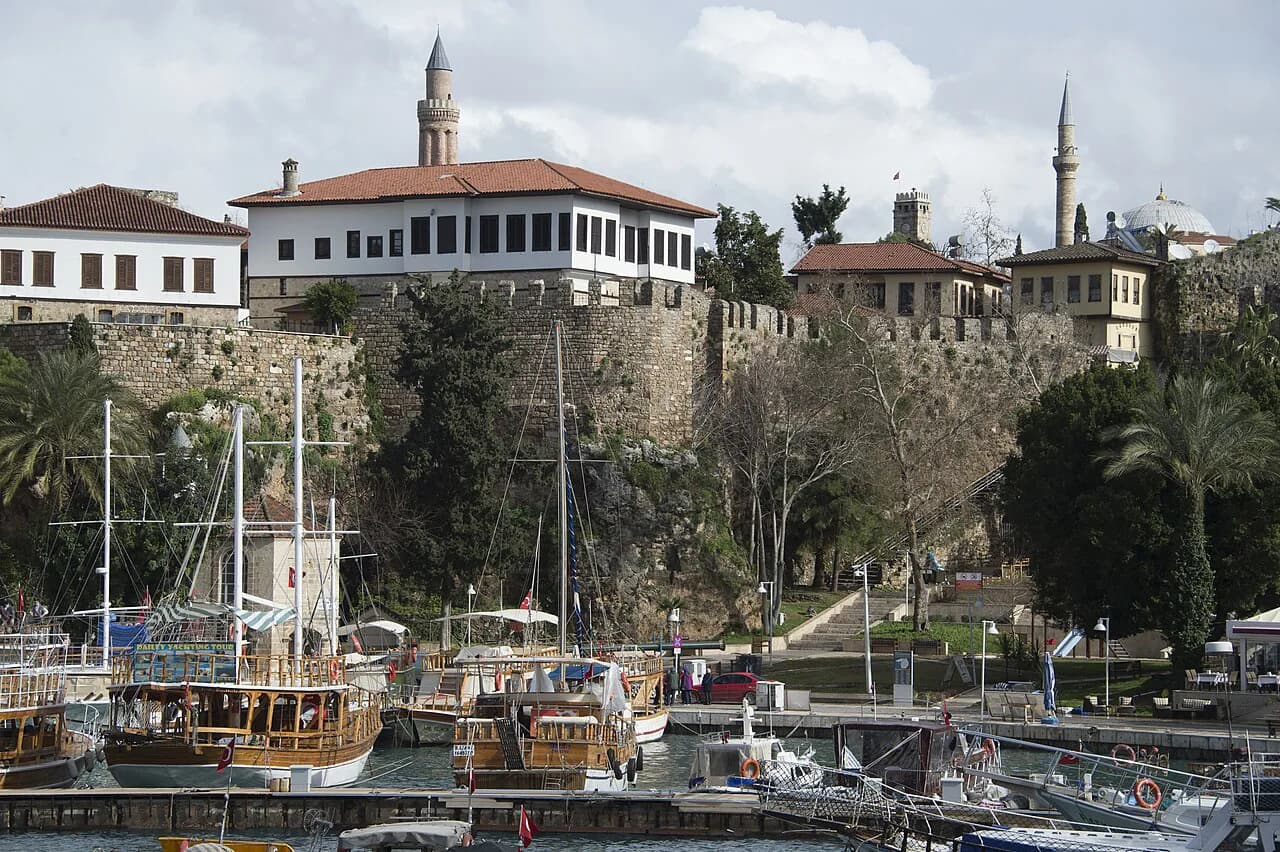
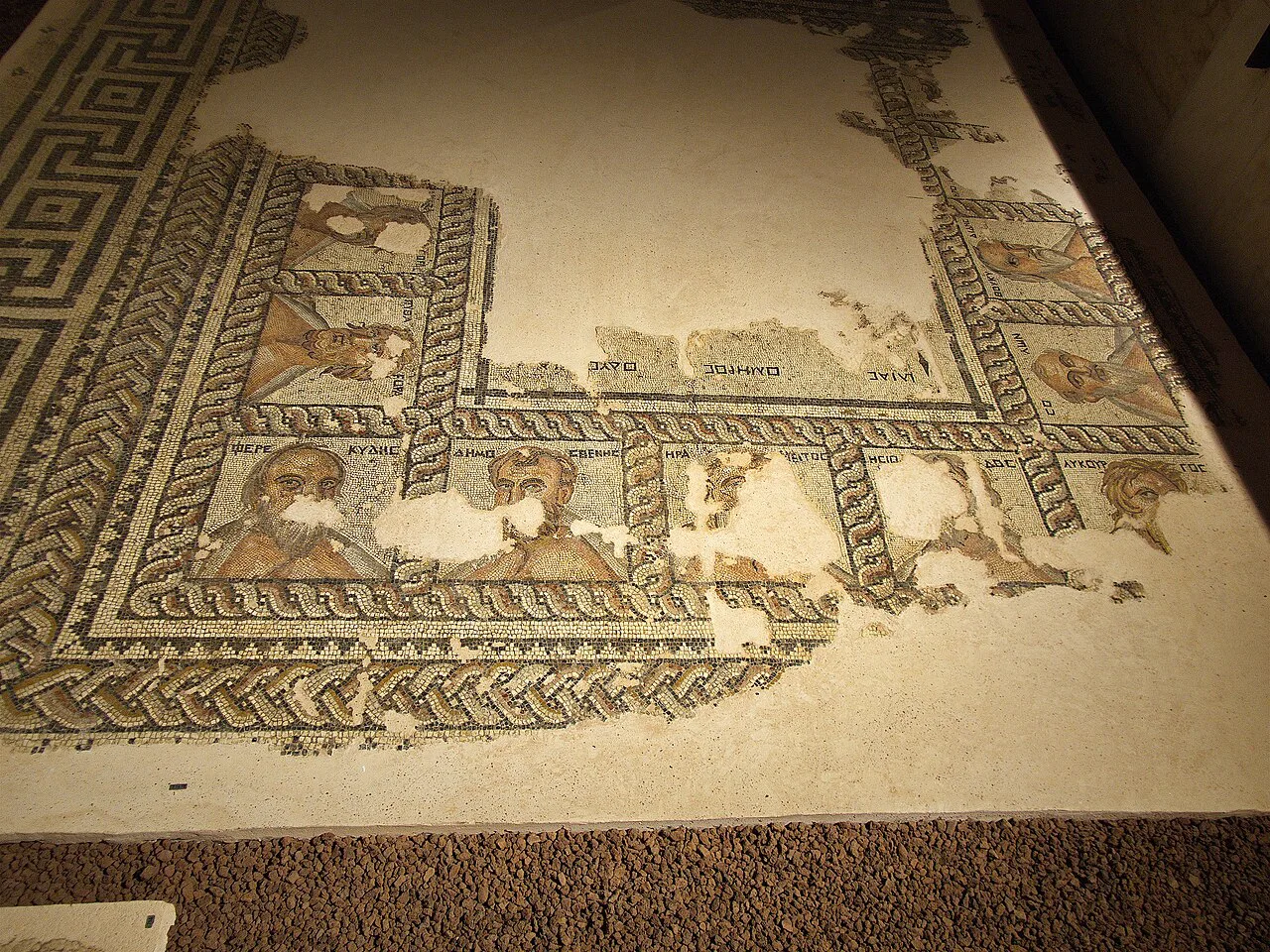
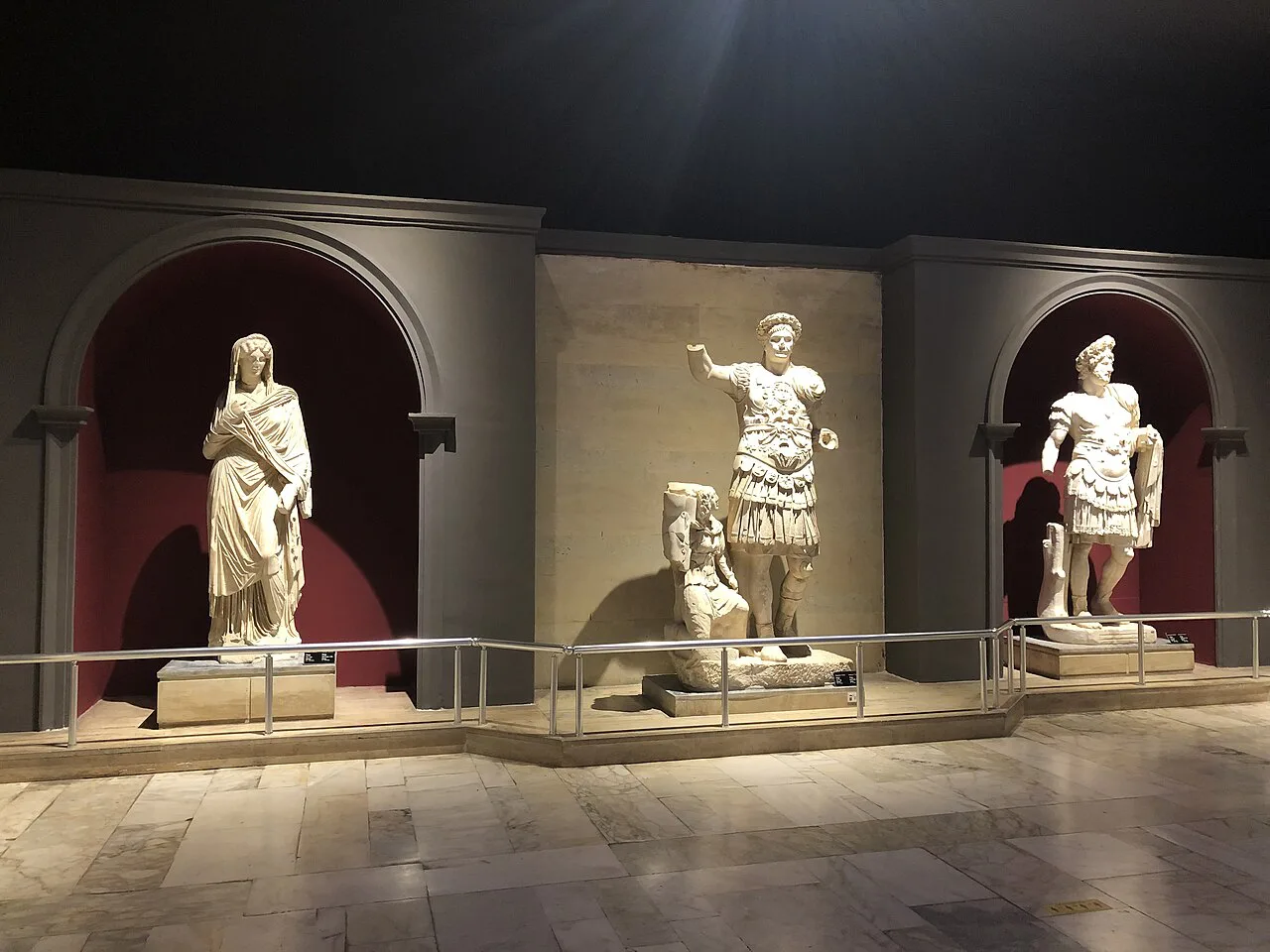
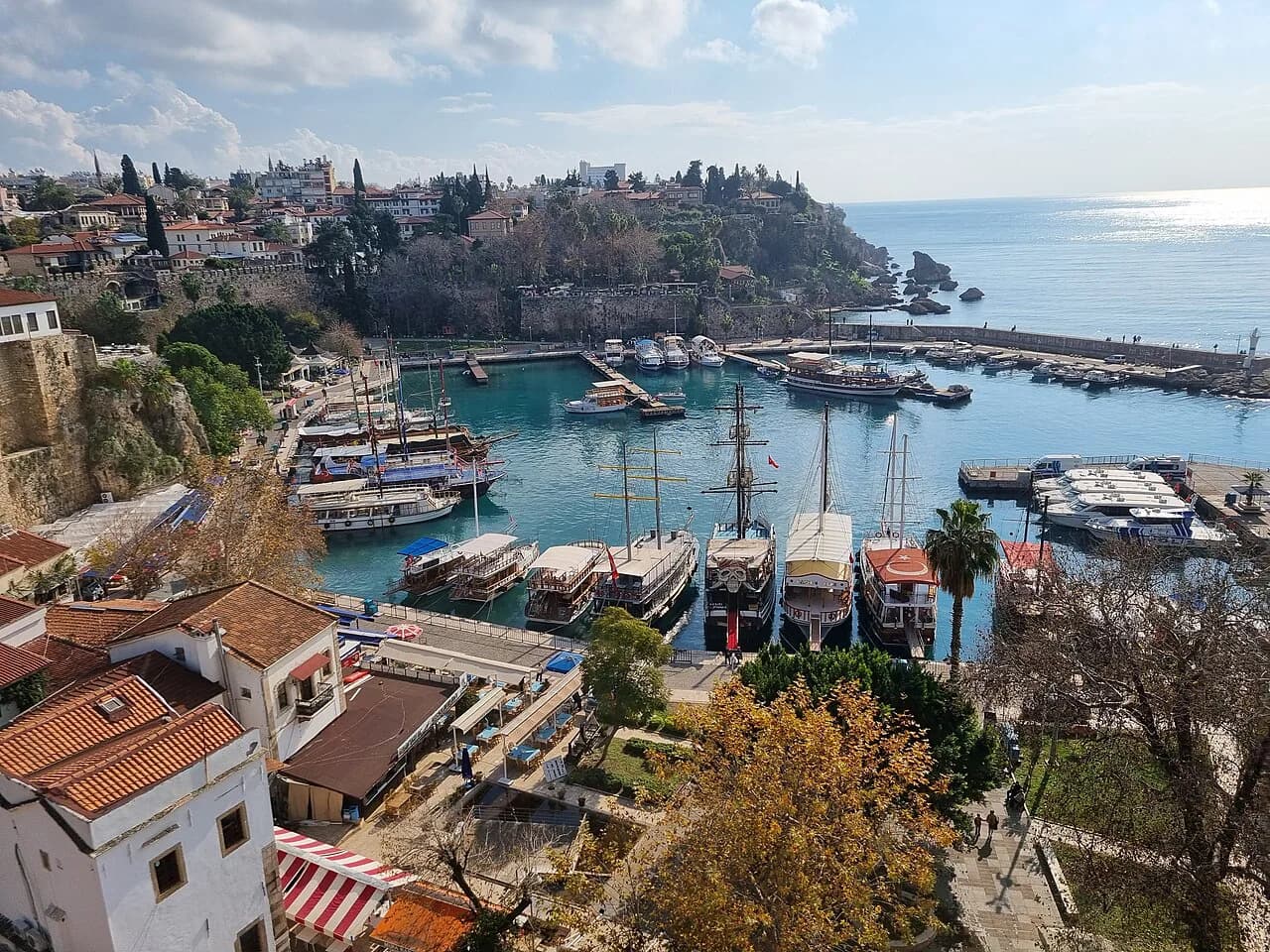
Culture travellers get a decent city fix too: Ottoman houses with wooden balconies in Kaleiçi, the old harbour with its fishing boats and cafés, Karaalioğlu Park with its sea views, and the Antalya Museum. The old town rewards slow wandering rather than a checklist, and it is the part of the city most visitors remember.
Who tends to leave disappointed
Slow travellers and anyone wanting a small-town base are the likeliest to feel short-changed. One month-long stay in the city produced a blunt verdict: outside the small historic centre Antalya is a sprawling, often crowded modern city, and the sights inside it can be visited in a day. The short version is that Antalya is not a place to settle into for weeks on end.
Traffic is the second complaint. If you cannot reach a place by tram, getting there and back can eat an afternoon, and one trip out to the lower Düden Waterfalls ended with an hour standing on a packed bus. Plan the city around the tram and treat everything else as a deliberate excursion.
Kaleiçi old town: the arch, the harbour and the park
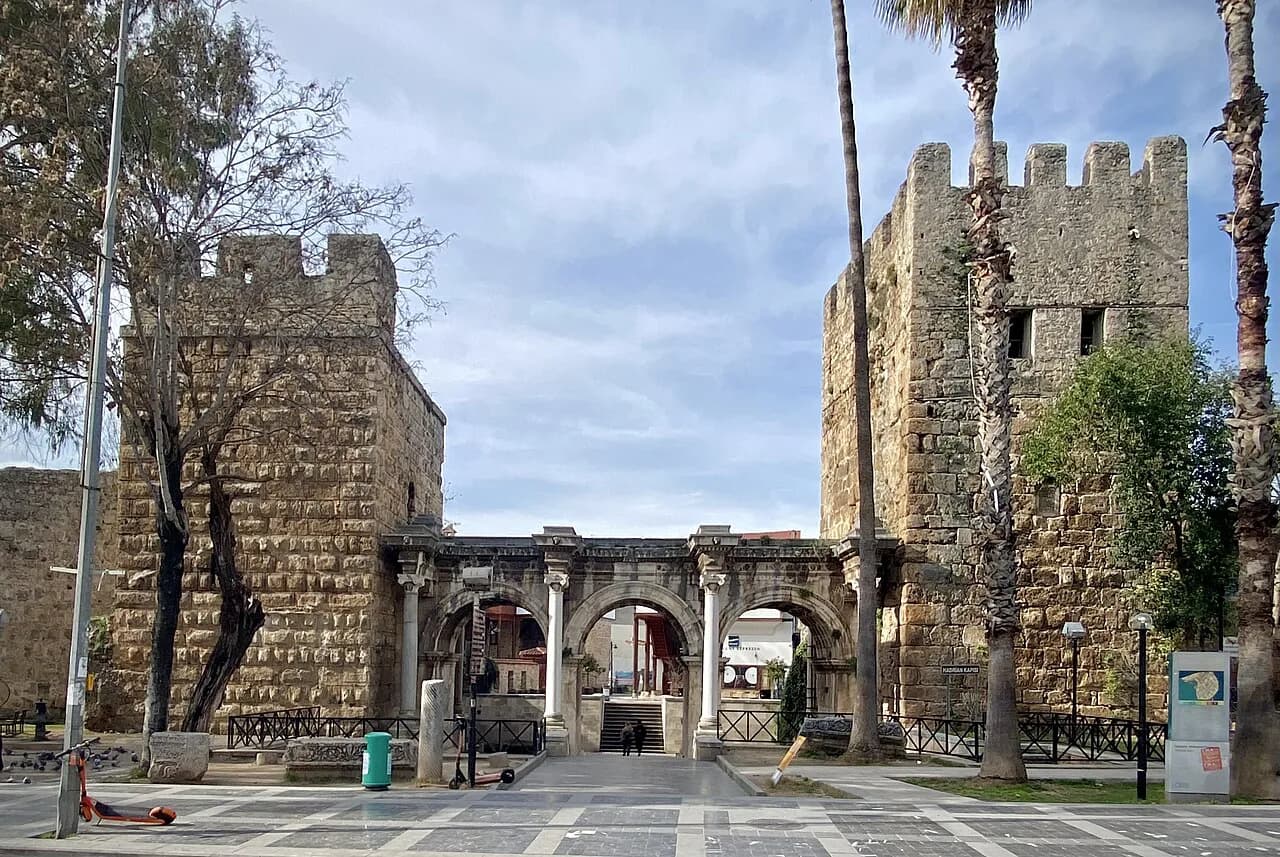
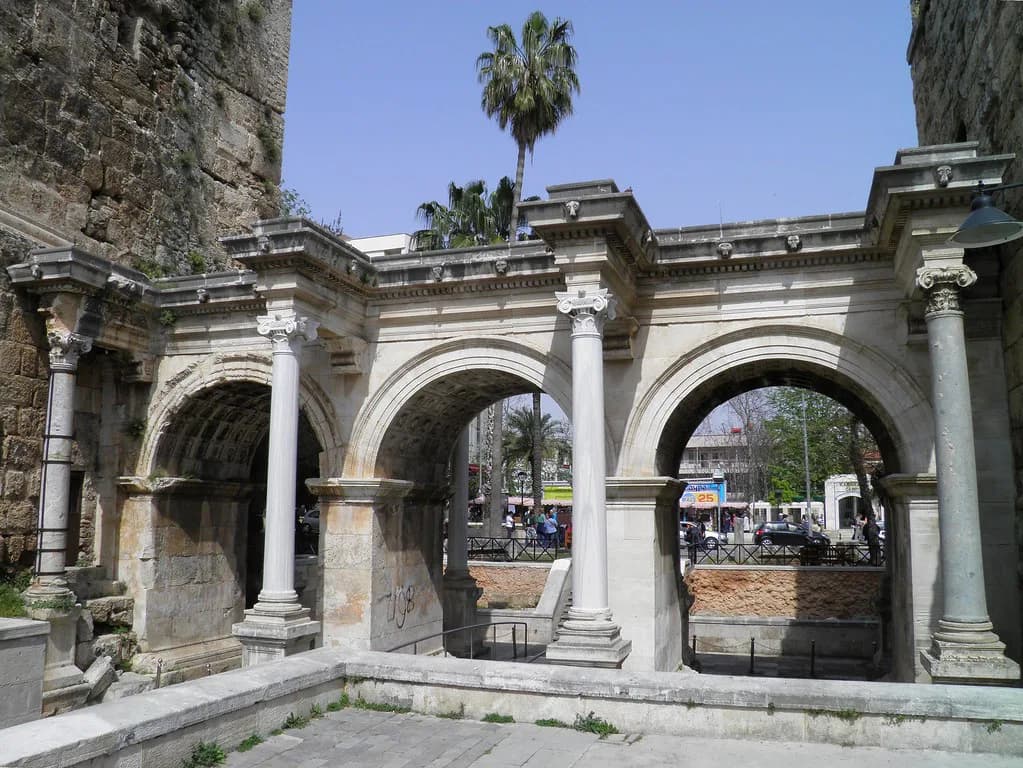
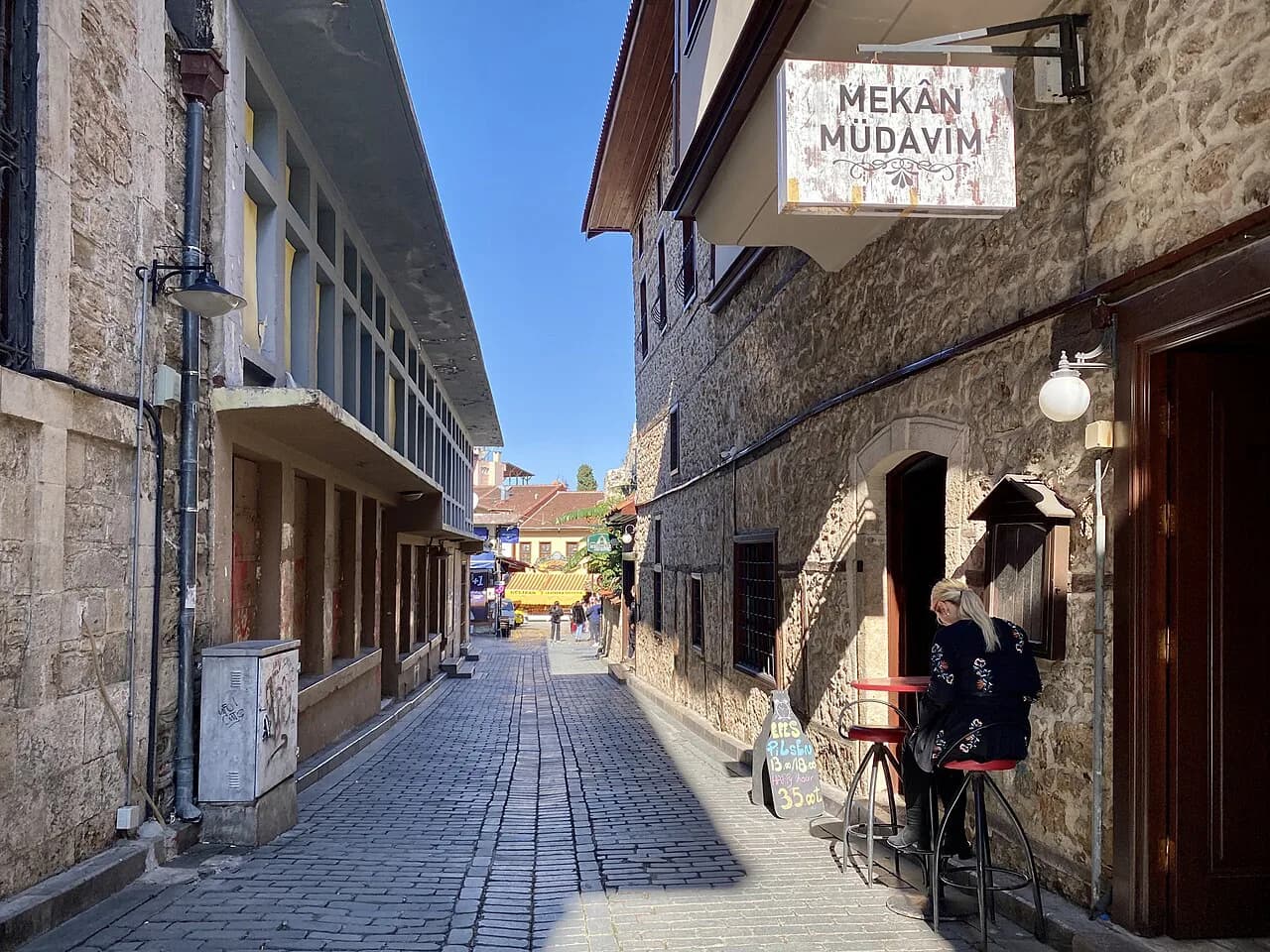
Start at Hadrian's Gate, the three-arched Roman entrance built to mark Emperor Hadrian's visit in 130 AD. You walk straight through it into the old town, and from there it is downhill on cobbles past whitewashed houses to the harbour. Go early if you want the arch to yourself in photographs.
From the old harbour, the walking route continues up to Karaalioğlu Park, a large clifftop space with cafés and long views over the water and the mountains down the coast. It is the natural end point for a wander through Kaleiçi, and a good place to stop for Turkish tea. On the far side of the bay, a glass elevator climbs to an observation deck with a panorama over the harbour and the sea.
The Antalya Map is worth a look before you set out, because the old town's lanes twist and the harbour sits below the level of the streets above it. The lanes double as a bazaar, with shops selling textiles, spices, jewellery and Turkish delight, so leave time for browsing and a bit of haggling.
What is in the city and what needs a day trip
Inside Antalya you have Kaleiçi, Hadrian's Gate, the harbour, Karaalioğlu Park, the museum, the glass elevator and the two Düden waterfalls. The Things to Do in Antalya guide covers these in more detail, and it is why the city works best as part of a beach holiday rather than the whole point of the trip.
Everything that made the region famous sits outside the city. Perge, Aspendos and Termessos all need a tour or public transport, and the Tahtalı cable car and Köprülü Canyon are further still. Build these into specific days so they don't slip away.
The archaeology around Antalya
Aspendos holds one of the best-preserved Roman theatres anywhere, built in the 2nd century AD, and it still hosts performances. It sits roughly 45 minutes from the city by road, and several operators run combined Perge and Aspendos tours if you are short of time. Expect to pay for entry on the day and check the current ticket arrangement before you travel.
Perge is closer, about 30 minutes out, with wide Roman streets, gates, baths and a stadium, and a guide earns their fee by pointing out the detail you would walk past. Termessos is a different exercise: a ruined city high in the Taurus Mountains, reached by a 45-minute climb from the car park on a rocky, uneven path. Wear proper shoes and carry water.
Düden Waterfalls and the boat trip
There are two waterfalls on the Düden River. Upper Düden sits in a leafy gorge outside the centre, where paths lead behind the falling water and into caves, with snack stalls and benches for a picnic. Lower Düden is the dramatic one: the river drops off a cliff straight into the Mediterranean, and the best view is from the water.
Boat trips leave the old harbour to take in the lower falls from below, and the cliffs and the spray make it a worthwhile hour or two. Afternoon light is the best of it. Carry a light layer if you sit near the front.
Getting around: tram, bus and traffic
The tram is the reliable way to move around the centre and out to the beaches, including the run east towards Atatürk Park and its views over Konyaaltı. Beyond the tram lines, the city's traffic is genuinely bad, so group your sightseeing by what you can reach on foot or by rail. Dolmuş minibuses and taxis fill the gaps, but budget extra time for anything involving a road.
Eating in Antalya
Expect Mediterranean seafood with local vegetables and olive oil, grilled meats, mezze and baklava. There are plenty of overpriced tourist restaurants and mediocre kebab shops around the old town, so it pays to know where you are going rather than picking the first menu waved at you.
Three names come up repeatedly: 7 Mehmet, Nemo and Seraser Fine Dining. Menus and opening days at all three shift with the season, so look at each restaurant's own website or call ahead before booking a table.
Is Antalya expensive?
Costs depend almost entirely on which Antalya you book. An all-inclusive resort down the coast is a package price with meals and drinks bundled, while a city stay means paying for each meal, each tram ride and each site ticket separately. Package holidays to the region are widely sold as good value, but prices move with the season and with the tour company, so compare quotes for your dates rather than relying on a figure from a previous year.
Heat and crowds
Summer in Antalya is hot and very crowded, which is exactly what you expect from a Mediterranean resort city in school holidays. May and September give you warm sea and thinner crowds, and the city functions year-round rather than shutting down. Whatever month you pick, start sightseeing early and keep the middle of the day for the water or shade.
Is Antalya safe?
Antalya is a large, busy, modern city, and the ordinary precautions apply: watch your bag in crowds, agree taxi fares or insist on the meter, and treat the old-town touts the way you would anywhere else. For the current picture on travel to Turkey, check the UK Foreign Office travel advice before you book, since security situations change and no travel article can keep up with them.
How many days in Antalya is enough?
Give the city two days if Antalya is part of a beach holiday: one for Kaleiçi, Hadrian's Gate, the harbour and the park, and one for a boat trip or the museum. Add a third for Aspendos and Perge, and a fourth if you want Termessos or the cable car. Beyond four days you are using the city as a base, which is a different kind of trip and one the slow travellers above found wanting.
Antalya or a smaller coastal town?
Antalya wins on convenience: an airport, resorts, a genuine old town and a tram all in one place. It loses on charm once you step outside Kaleiçi, and the beaches sit a few kilometres from the centre rather than at the end of your street. If your priority is a walkable harbour town with a slower pace, look at Side, Kaş or Kalkan instead, and treat Antalya as a stop rather than the whole holiday.
If you do base yourself in Antalya, build in the day trips that justify the region's reputation. The Things to Do in Antalya guide covers the rest of the city, and Belek, the golf and resort town, is a short drive east for a change of scene.
Should you book Antalya or somewhere quieter?
Book Antalya if you want a resort holiday with a genuine historic centre attached, and plan on two days in the city plus one or two day trips to Aspendos, Perge or the waterfalls. Skip it as a long-stay base if you want a small town on the water, because the city's scale and traffic wear thin quickly and the coast has quieter alternatives.
Before you travel, confirm site tickets, boat departures and restaurant bookings for your dates, and check the Foreign Office advice for Turkey.
Explore more Antalya guides
Frequently Asked Questions
Is Antalya full of British tourists?
Antalya draws visitors from many countries, and the resorts at Lara and Konyaaltı serve a broad international market rather than a single nationality. The old town and city centre feel Turkish day to day, and the resort strips take on a more international character in summer.
Can you visit Antalya without a car?
Yes. The tram covers the centre and the beaches, dolmuş minibuses and taxis handle the rest, and organised tours collect you for Aspendos, Perge and the waterfalls. Traffic outside the tram network is the main frustration, so plan around the rails where you can.
Do you need a guide for Perge and Aspendos?
It is not essential, but a guide adds a lot at Perge, where the streets, baths and stadium are easy to walk past without context. Combined tours cover both sites in a day if you are short of time.
Sources
Notes for your next Turkey trip
Optional updates when we add or correct a town guide.
You might also like
Continue reading
More guides you'll find useful