Laodicea, Turkey: the biblical city near Pamukkale
Laodicea is an ancient city near Pamukkale in Turkey. Here is what stands on the site, how to get there, how long it takes and what to pair it with.
On this page
Laodicea is an ancient city in the Lycus valley in Denizli province, and it works best as a half-day stop on a Pamukkale trip rather than a journey of its own. The ruins stand on a spur of Mount Salbacus, giving you theatres, a stadium, bath houses and church remains within one walled site. This guide separates the biblical story from the archaeology, names the structures to look for, and sets out how to reach the site from Denizli, from Pamukkale and from Denizli Çardak Airport.
Where Laodicea is and what visitors see today
The city sits on a long hill spur between the narrow valleys of two small rivers, the Asopus and the Caprus, which drain into the Lycus. That position explains the layout: the ground rises along the ridge, so you walk the site lengthways rather than circling a flat plain. Set aside more time than you would for a compact single-monument stop.
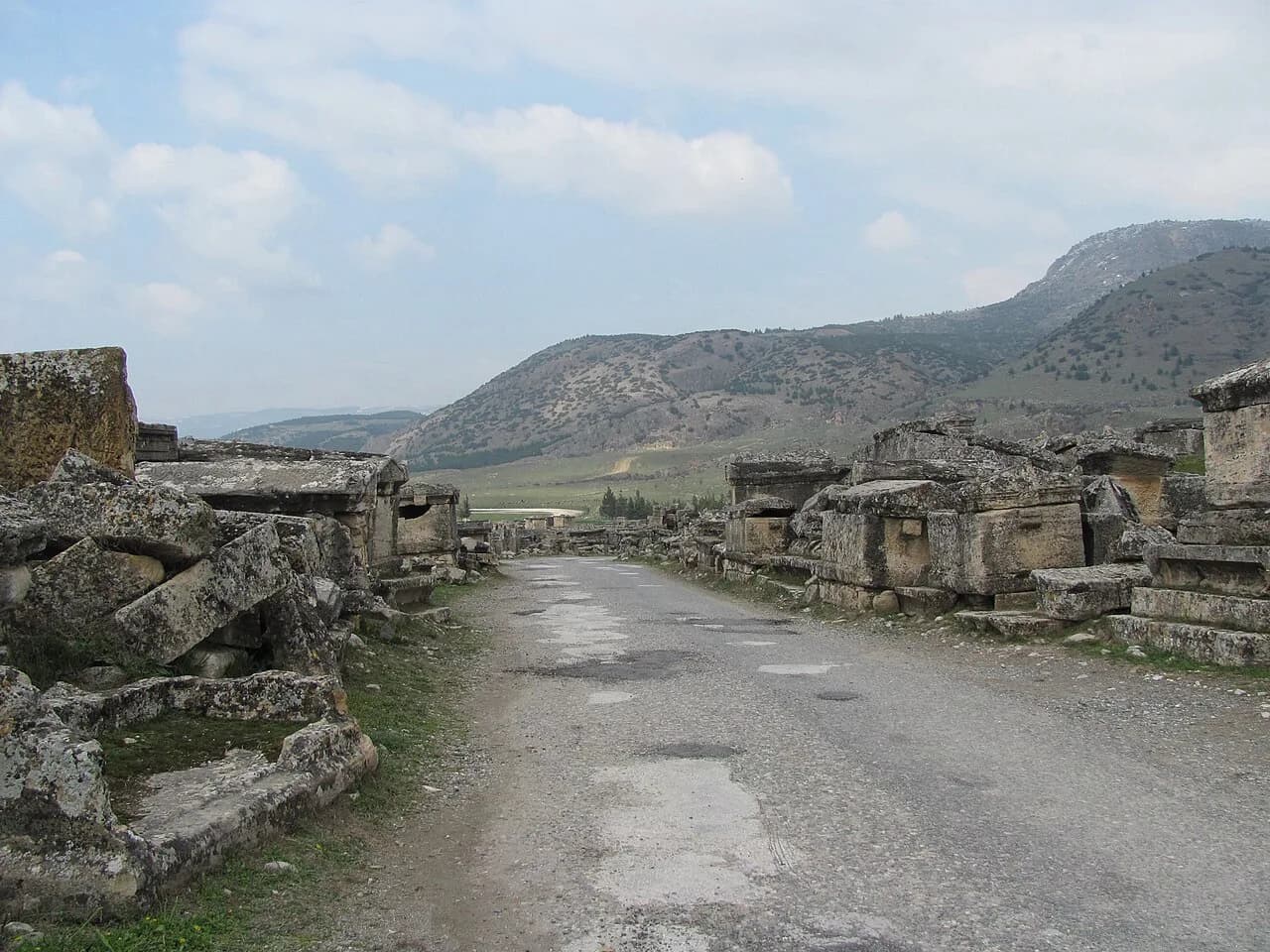
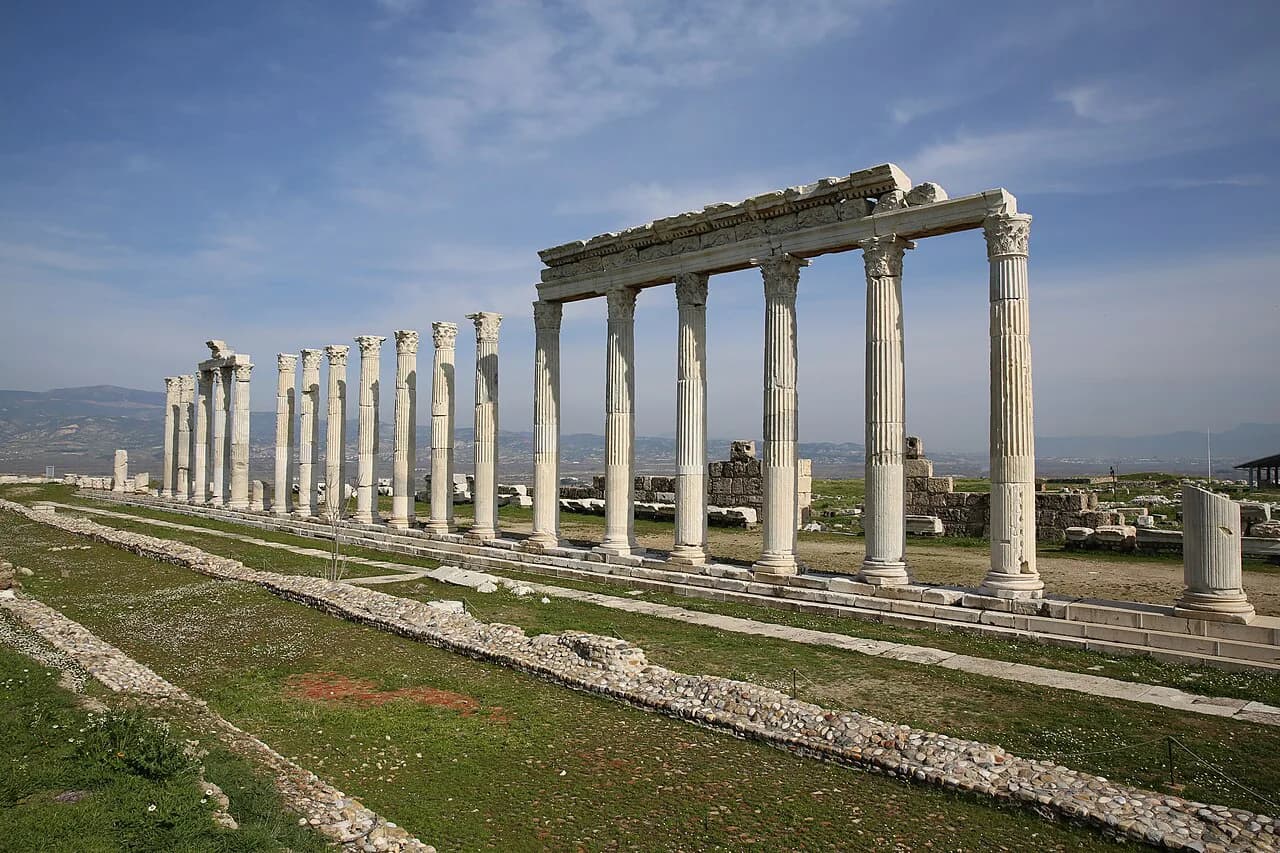
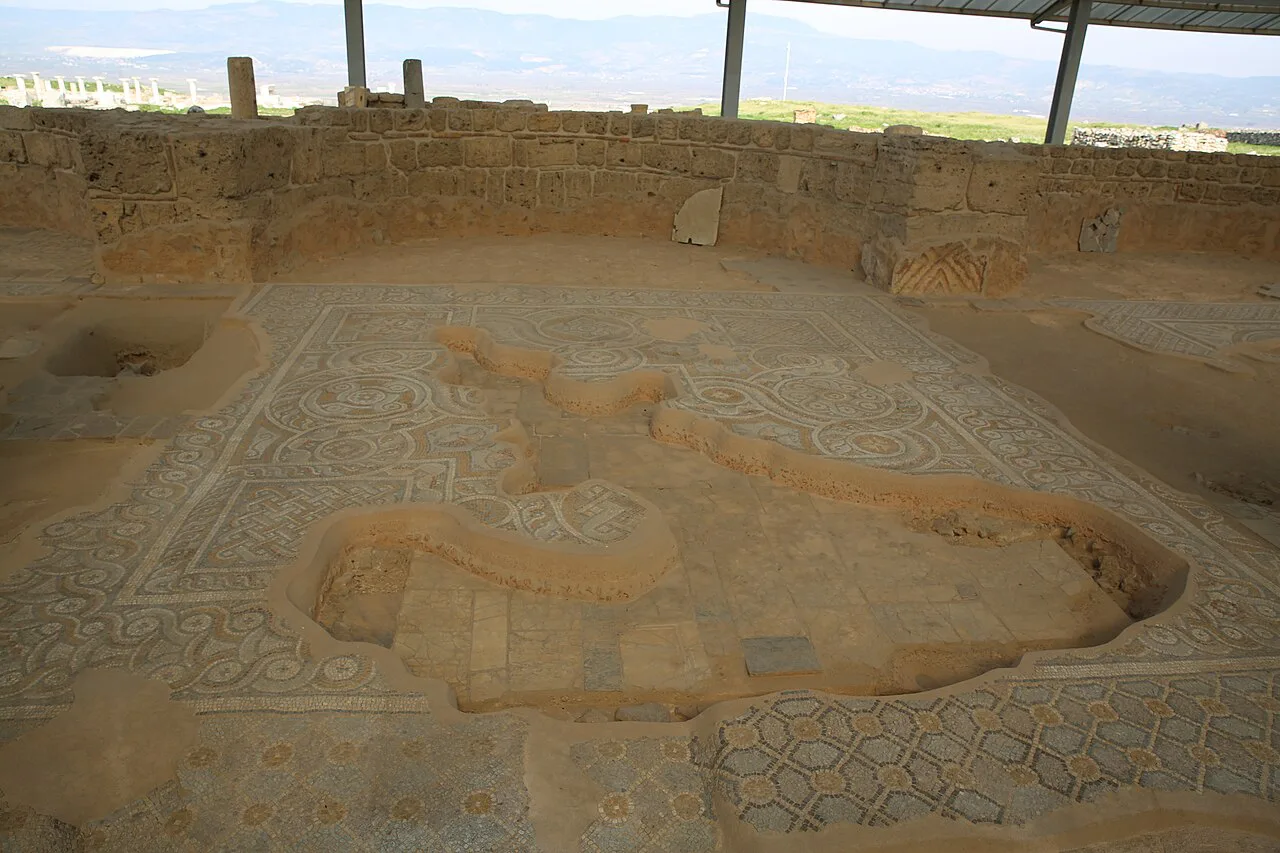
What you see today is a broad field of excavated and partly excavated remains rather than a reconstructed streetscape. Expect marble-paved streets, mosaics, a monumental fountain and stretches of civic building, with excavation work continuing in places. Good shoes matter because the walking is spread out and the surfaces are uneven.
Why Laodicea matters: the seventh church of Revelation
Laodicea is one of the seven churches addressed in the book of Revelation, and that is the main reason many travellers put it on an itinerary. The letter rebukes a congregation that claimed to need nothing while, in the writer's terms, lacking what mattered most. The lukewarm-water image may echo the city's own supply: tepid water carried by Laodicea's aqueduct contrasts with the hot springs at Hierapolis and the cool water at Colossae, though this reading is offered as a likely allusion rather than a stated fact.
The name itself comes from two Greek words, laos for people and dike for custom or judgment, and the city was named mainly for the wife of King Antiochus II, who founded it in 260 BC. It grew into a hub of banking, law and commerce on east-west and north-south Roman routes, and it exported wool, sandals and a locally made eye salve. Those industries sit behind the letter's references to wealth, clothing and salve for the eyes.
Keep the two strands distinct while you walk. The archaeology shows a prosperous Roman city, and the biblical text is a first-century letter to a congregation inside it; reading one through the other is interesting, but the ruins do not label themselves that way.
The ruins to look for: theatres, stadium, baths and churches
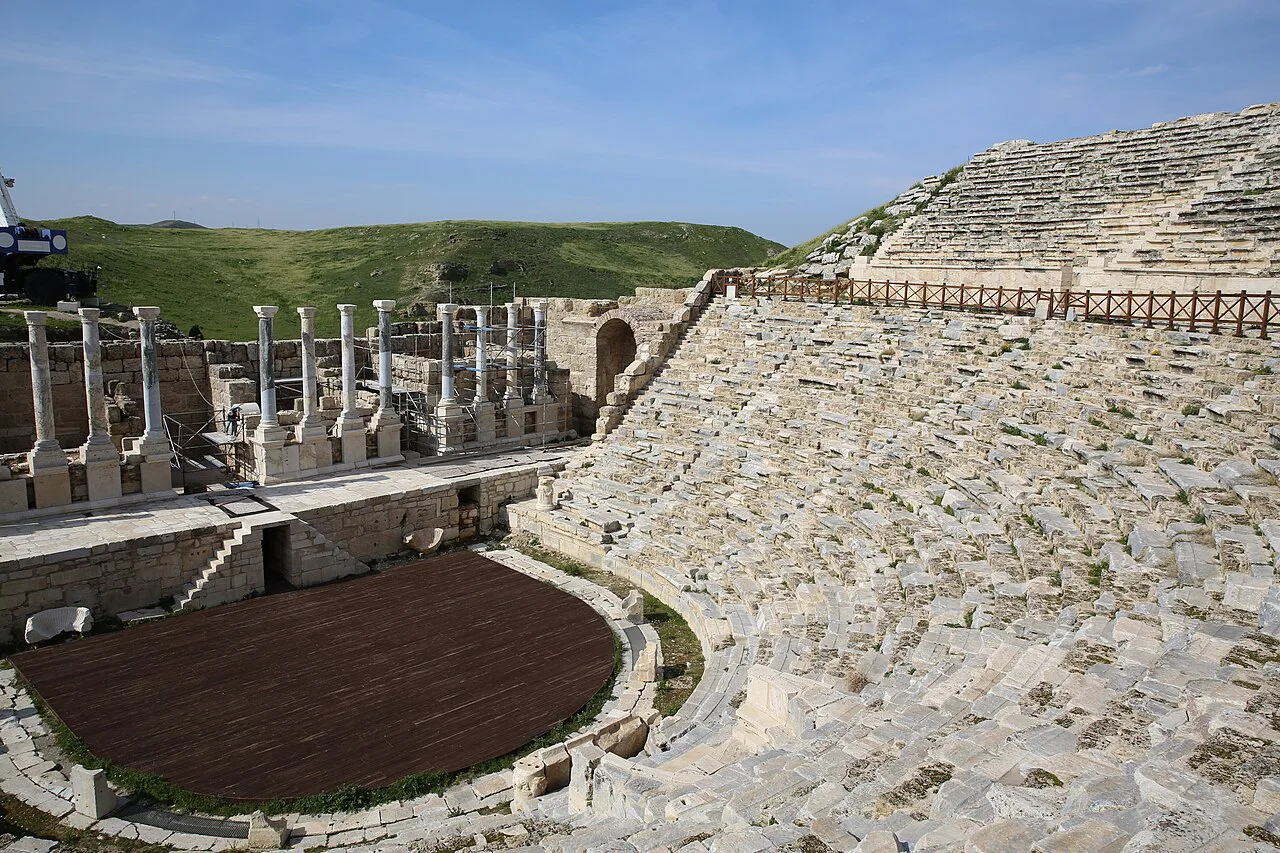
Start with the North Theatre and the stadium, the two structures most visitors remember, then work through the bath houses and the nymphaeum, the monumental fountain. Church remains are also on site, which ties the visit back to the city's place in early Christianity. The hilltop position gives wide views over the surrounding valleys and mountains, so keep some time for the edges of the site rather than rushing the central streets.
Laodicea was rich enough, according to the biblical-history account, to refuse Roman financial help after an earthquake in AD 60 and rebuild from its own funds, which tells you the scale of the civic buildings you are looking at. The city was a leading centre in Asia Minor by the close of the first century BC, adorned with an amphitheatre and other monuments. If you want the Roman city in fuller form, the travertine terraces and the Roman Theatre at Hierapolis make the obvious pairing. For the practical details, see the Hierapolis.
Getting there: from Denizli, Pamukkale and Denizli Çardak airport
Denizli Çardak Airport is the closest airport, and the site is about an hour's drive from there by road. From Denizli itself you can take a bus or hire a car, and a car gives you far more flexibility for combining Laodicea with other stops in the valley. The ruins lie in Denizli province, north of Denizli city, in the same valley system as Pamukkale.
If you are basing yourself at Pamukkale, plan Laodicea as a road leg of the day rather than a walk from the travertines. A taxi or a hired car with a driver is the simplest way to link the two without depending on a tour timetable, and a guided visit adds context if you want the inscriptions and building phases explained. Check current transport options locally before you commit to a fixed plan.
Laying the day out on a map first pays off, because the valley holds several distinct sites. Checking a map helps you see how the travertines, Hierapolis and the surrounding roads sit together before you hire a driver, and it slots Laodicea into the wider plan of things to do in Pamukkale across a day or two.
How long to allow and what the site is like to walk
Allow a couple of hours for the ruins themselves if you want to see the theatres, stadium, baths and fountain without hurrying, and add travel time on top. The site is sprawling, and the distances between the main structures are longer than they look from the entrance. Anyone with limited mobility should plan for uneven ground and slopes.
Summer heat makes the walking harder, so go early or late rather than at midday. Spring and autumn give milder conditions for a site with little shade. Carry water and sun protection even on a short visit, and wear shoes with grip for the marble paving and loose stone.
Tickets and entry: what to plan for
There is a fee at the entrance gate, and it is worth checking the current figure at the ticket office rather than budgeting from older reports. One tour operator's 2026 reply quoted visitors a gate price of 12 euros, which is a dated report rather than an official tariff. Ticket prices in Turkey change, and any figure you read online should be treated as history.
Buy your ticket at the site and confirm what it covers before you pay, since multi-site tickets in the region are sold on different terms. Ask at the gate whether a museum pass covers Laodicea, and keep the receipt with you while you are inside.
Combining Laodicea with Hierapolis and Pamukkale
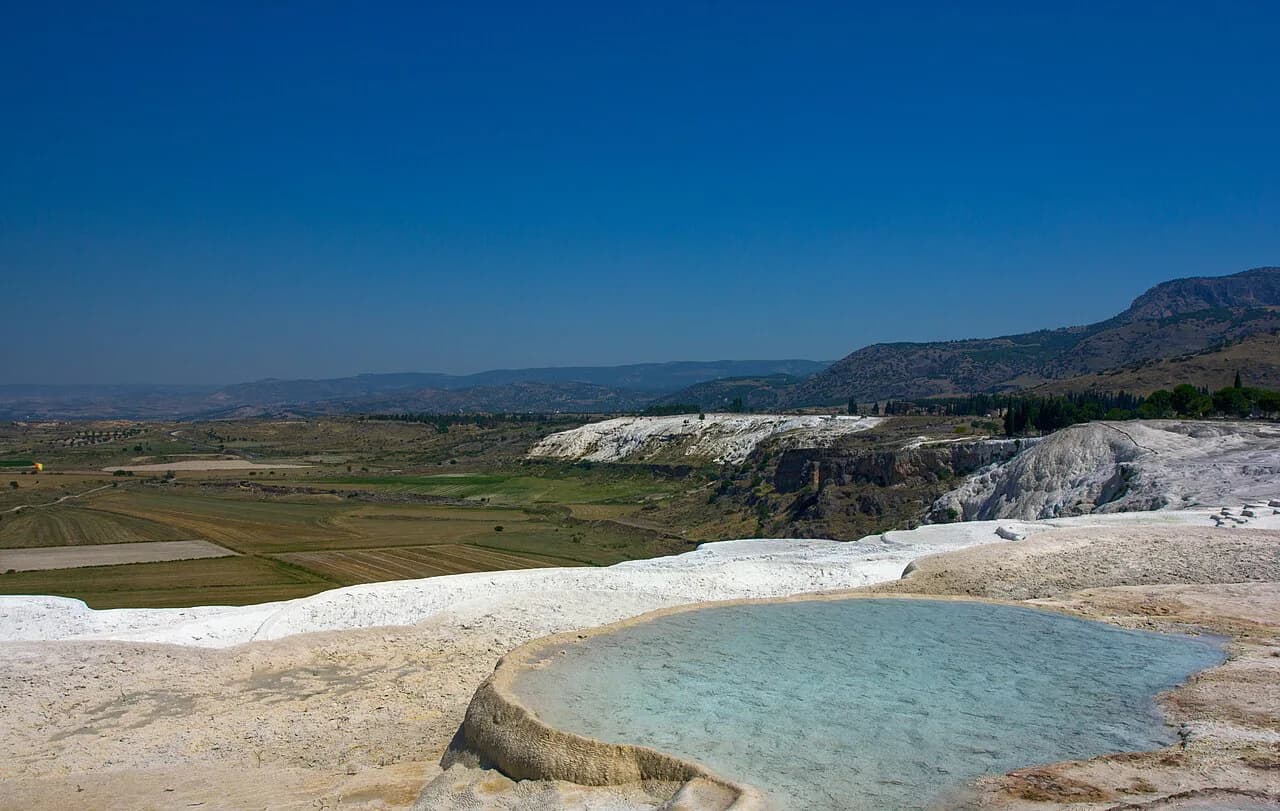
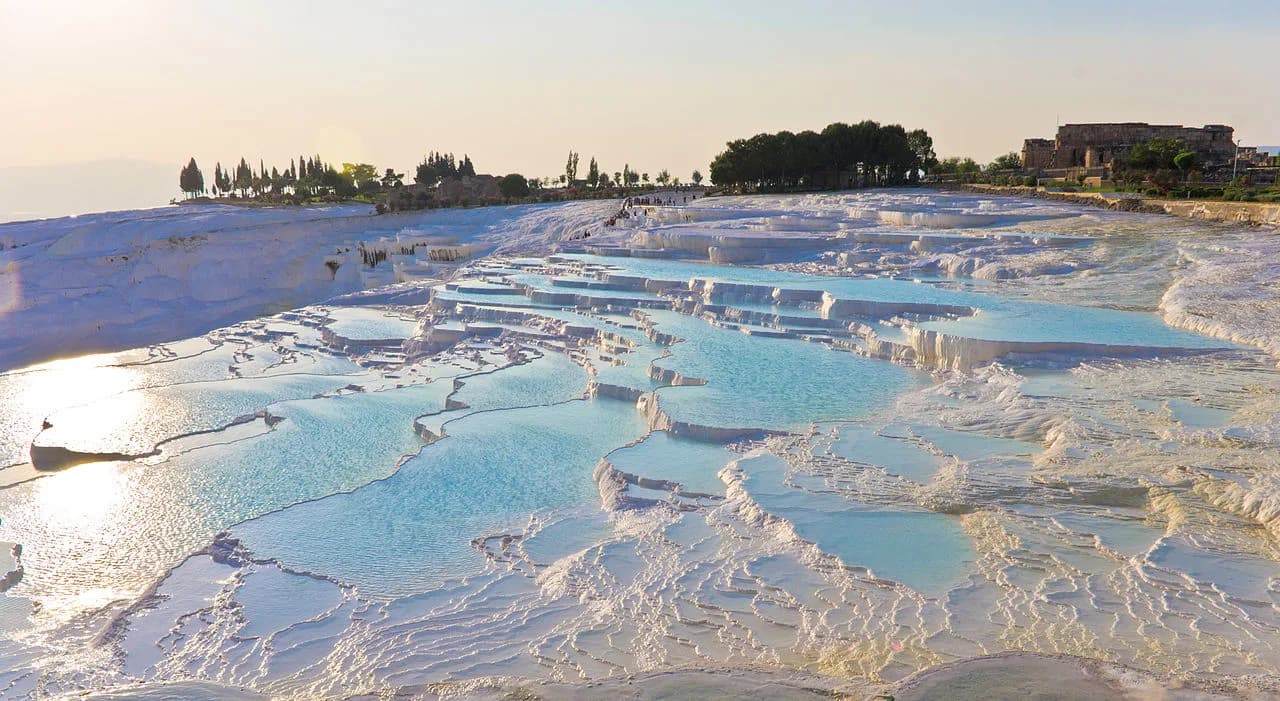
The strongest pairing is with Pamukkale and Hierapolis, which sit in the same valley and fill a full day between them. The white travertines, the Roman Theatre and the sanctuary at Hierapolis are the headline stops, and Laodicea adds the biblical layer that Hierapolis does not carry. Plan the order around the heat: the travertines are exposed, so many travellers do them first thing.
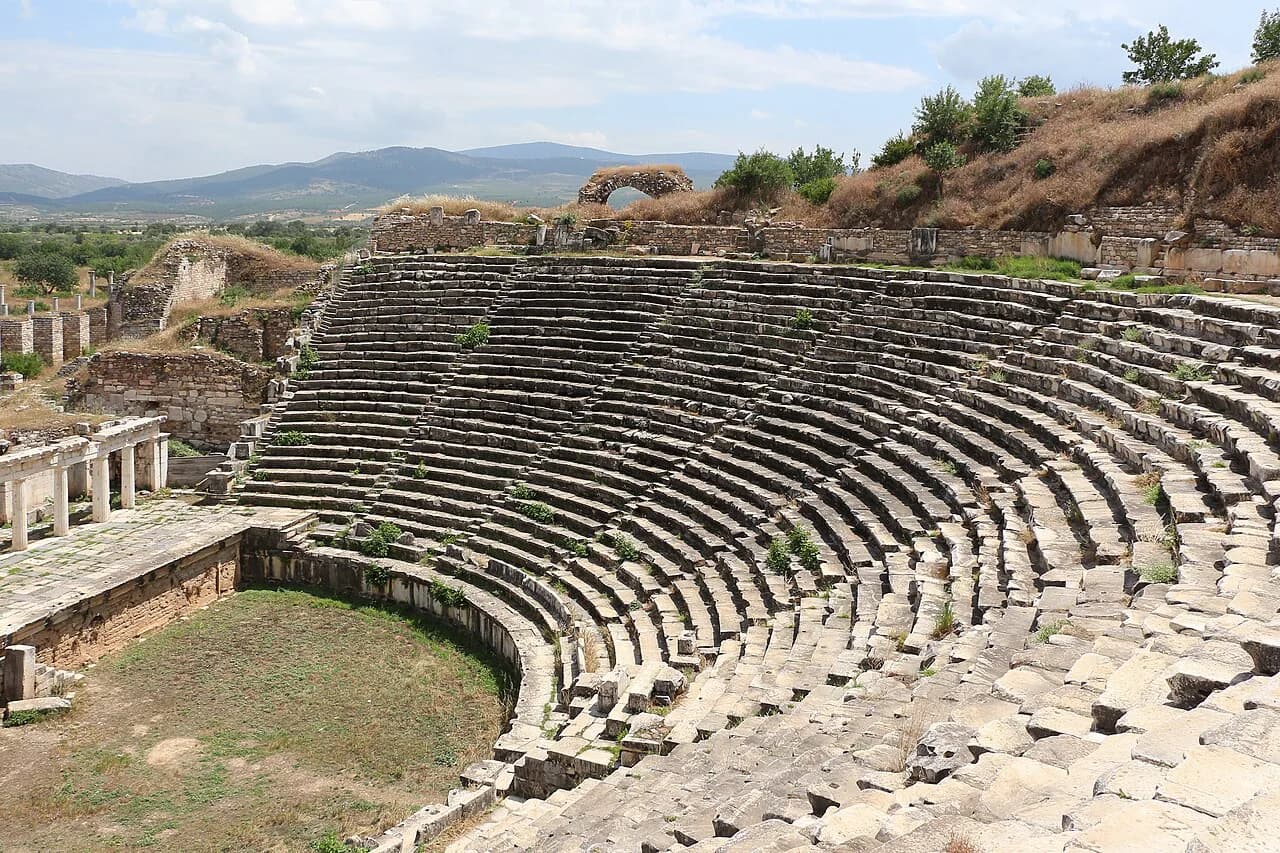
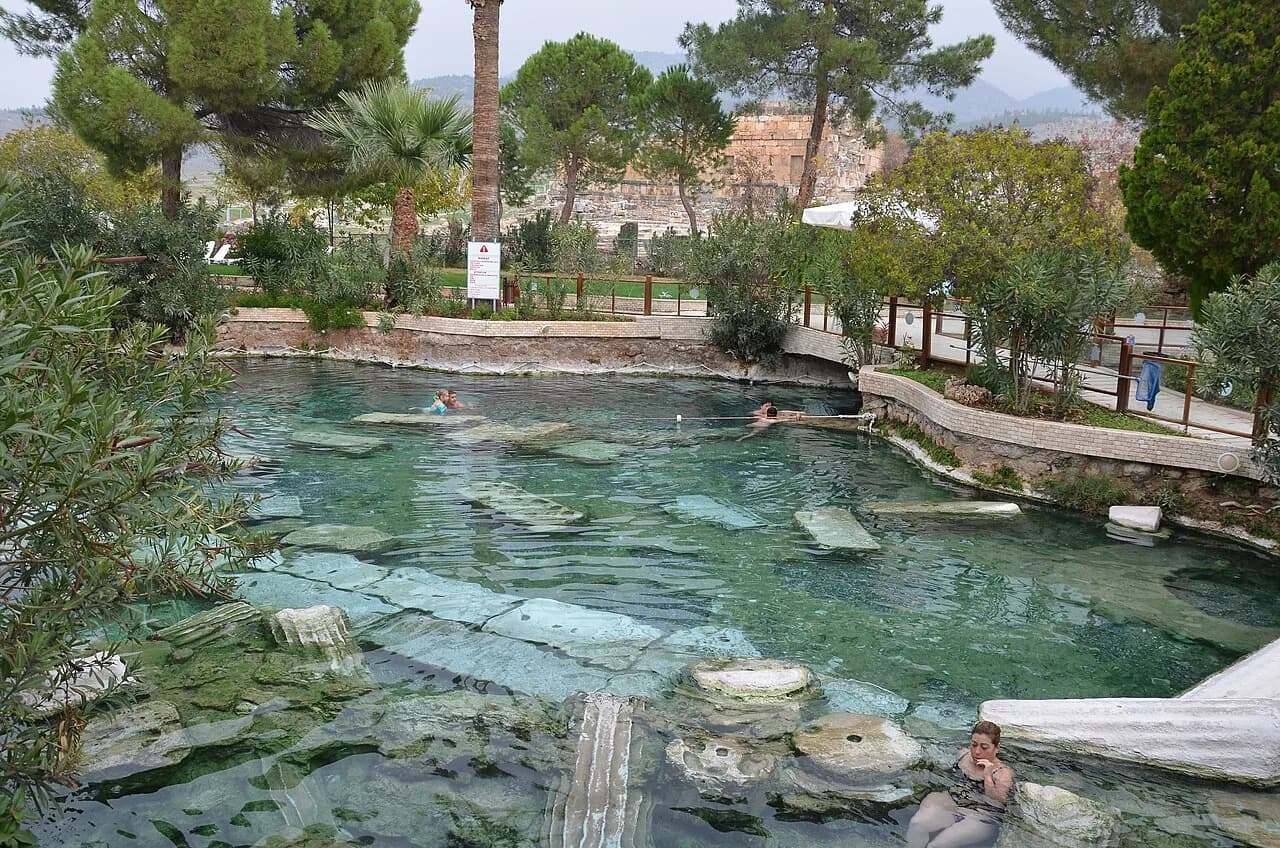
If you have a second day, Cleopatra's Pool at Hierapolis is a change of pace after the stone and dust. Travellers with a car and an extra half-day can also reach Aphrodisias, another Roman city in the same corner of the region.
When to go and what to wear on site
Spring and autumn give the mildest weather for walking a large, exposed site, while summer in this part of Turkey is hot enough to make midday uncomfortable. Winter is not severe but can be chilly on the ridge. Build the day around the temperature rather than around a fixed timetable.
Dress for sun and uneven ground: a hat, sunglasses and shoes with a proper sole. If you are going on to the travertines, check the current rules for walking on the terraces before you set out, and carry a bag for your shoes in case you need to remove them.
Is Laodicea worth adding to a Pamukkale trip?
Yes, if you have a spare half-day and any interest in the Revelation letters, because the ruins give the text a physical setting that Hierapolis cannot. If your time in the valley is a single day, prioritise the travertines and Hierapolis and leave Laodicea for a return trip. Either way, confirm the gate price and any museum pass on the day you go.
Explore more Pamukkale guides
Frequently Asked Questions
What is the city of Laodicea called today?
The ruins are known as Laodicea on the Lycus and lie in Denizli province in south-west Turkey, in the same valley as Pamukkale and Hierapolis. Visitors approach from Denizli or from the Pamukkale area.
Why was the church of Laodicea rebuked?
The letter in Revelation 3 criticises a congregation that claimed to need nothing while, in the writer's terms, lacking what mattered, and it uses lukewarm water as its image. The city's aqueduct supplied tepid water, unlike the hot springs at Hierapolis and the cool water at Colossae; this is a likely allusion rather than a stated fact of the text.
Sources
Notes for your next Turkey trip
Optional updates when we add or correct a town guide.
You might also like
Continue reading
More guides you'll find useful