Pamukkale Map: Travertines, Hierapolis and Antique Pool
A visitor's map of Pamukkale showing how the white travertines, Hierapolis, the theatre, the Antique Pool and the museum sit on one hillside.
On this page
Pamukkale is one hillside, not a town with streets to wander. The white travertine terraces — the Cotton Castle — pour down the slope, and the Roman spa city of Hierapolis sits directly above them, founded around 190 BC. The sections below lay out what sits where and the order to walk it.
Visitors who treat the terraces and the ruins as two separate outings end up climbing the slope twice, while a single loop takes in the travertines, the warm Antique Pool, the Roman theatre and the museum without doubling back. For the wider list of sights, see things to do in Pamukkale.
What the Pamukkale map shows: terraces below, Roman city above
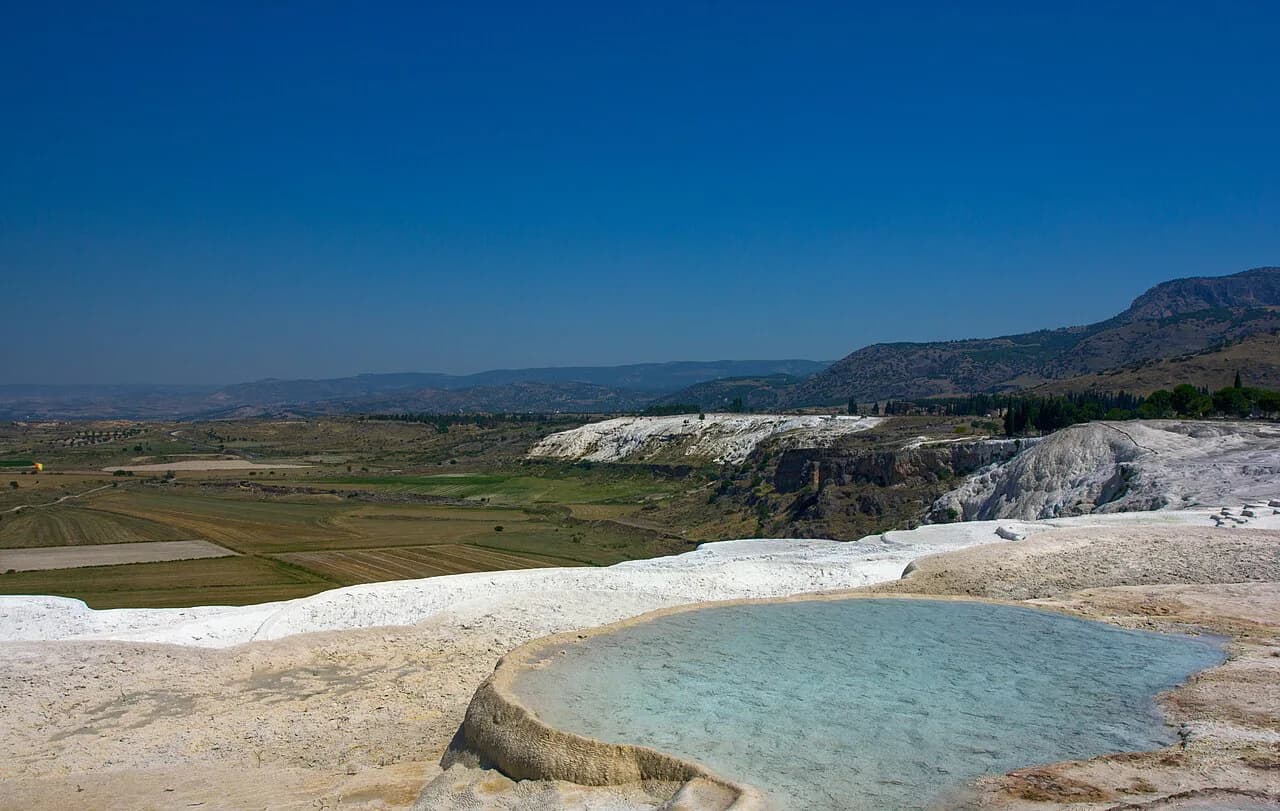
Picture a chalk-white slope with shallow thermal pools stepped down its face, the ruins of Hierapolis spread across the plateau at the top and the village, car parks and main approach at the foot. The terraces and the ancient city sit on the same hillside, so plan one loop through both rather than two separate outings.
There is no town grid to navigate here; the map you need is a cross-section, with the pools low and the ruins high. Sketch that in your head and the day plans itself around one climb and one descent.
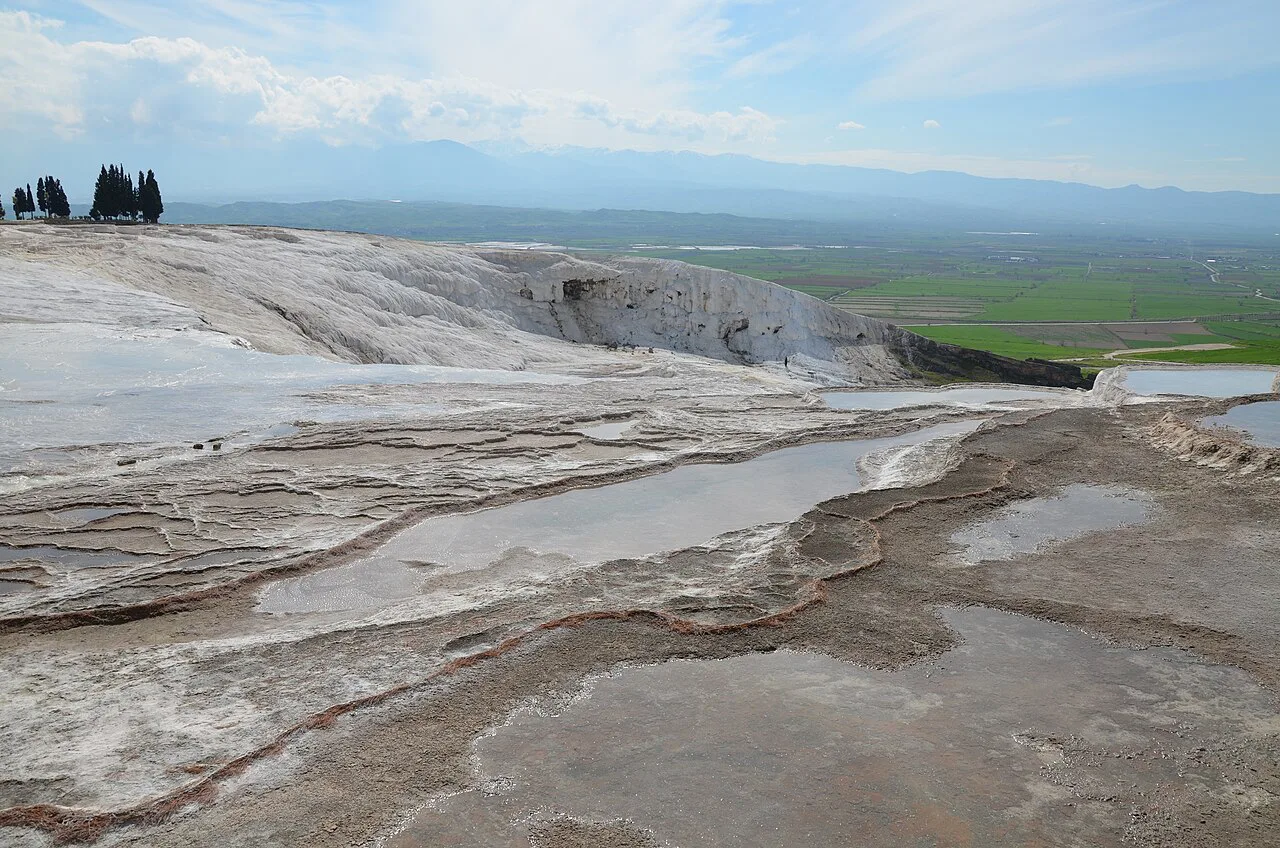
The travertines: rough rock underfoot and warm shallow pools
The terraces are white limestone basins holding warm, mineral-rich water, reached on foot over rough rock, and you walk barefoot through the shallow pools themselves. Footwear you can slip off and carry is the practical choice, along with a swimsuit and drinking water for the descent.
Not every pool runs at once. Water is rotated between zones to limit algae growth and protect the white surface, and some terraces close for conservation, so the mix of full and dry basins shifts from visit to visit. Arriving early in the morning or late in the evening gives calmer water and fewer people in the frame; by afternoon the terraces fill with coach groups.
Give the terraces their own slot rather than treating them as a photo stop. The climb between the pools and the plateau is the physical effort of the day, and doing it once in the cool of the morning is kinder than shuttling up and down.
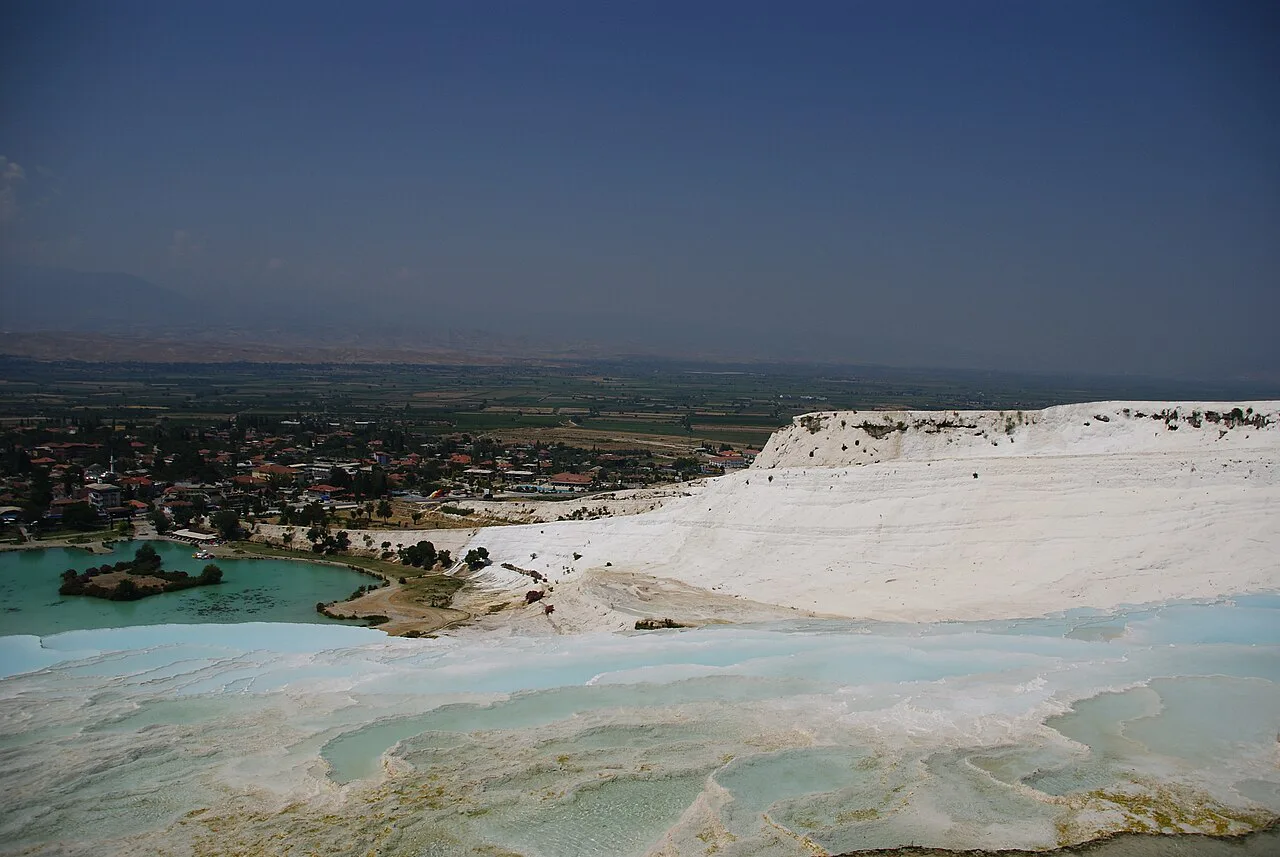
Hierapolis: theatre, necropolis and the plateau above the pools
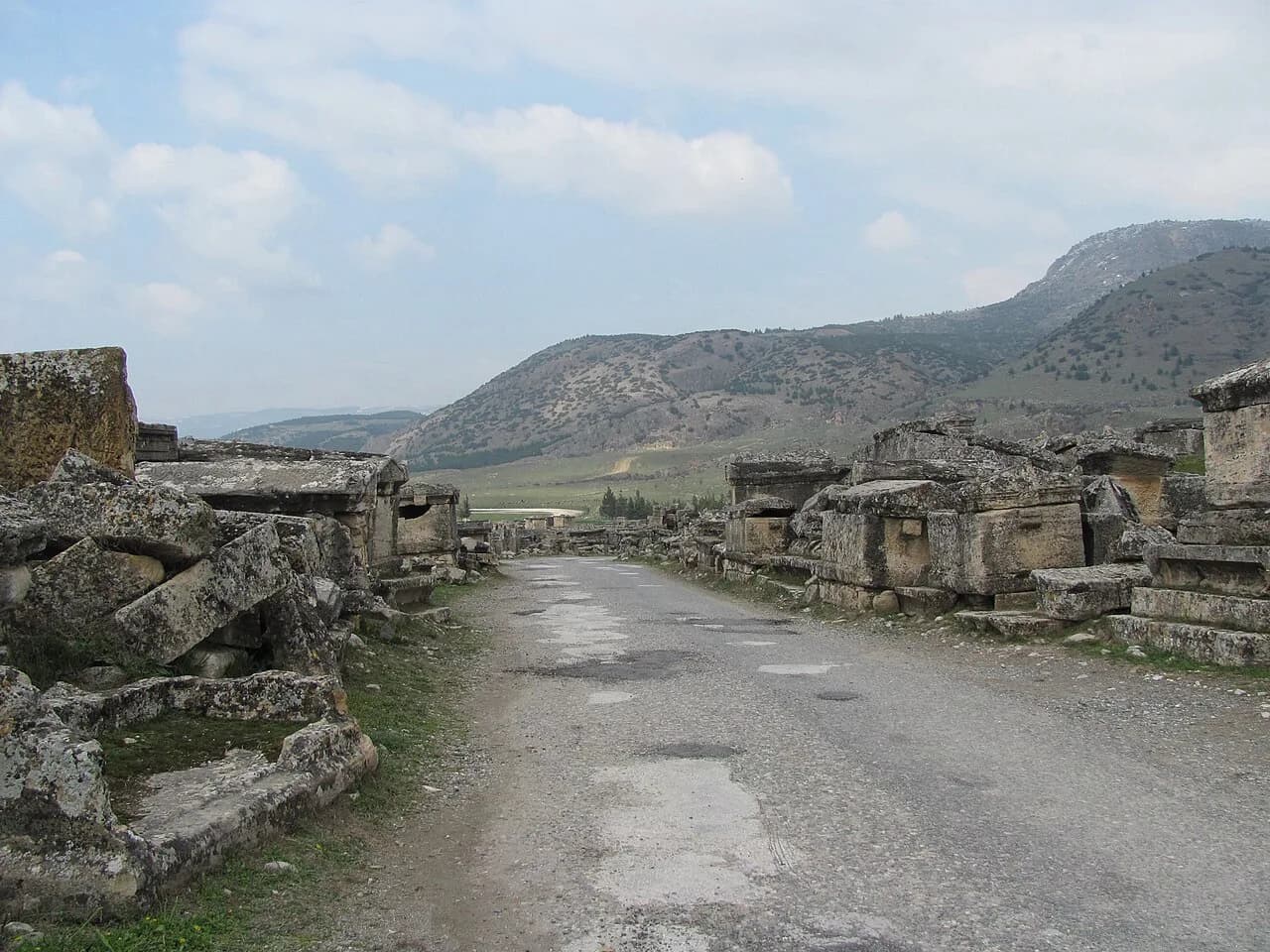
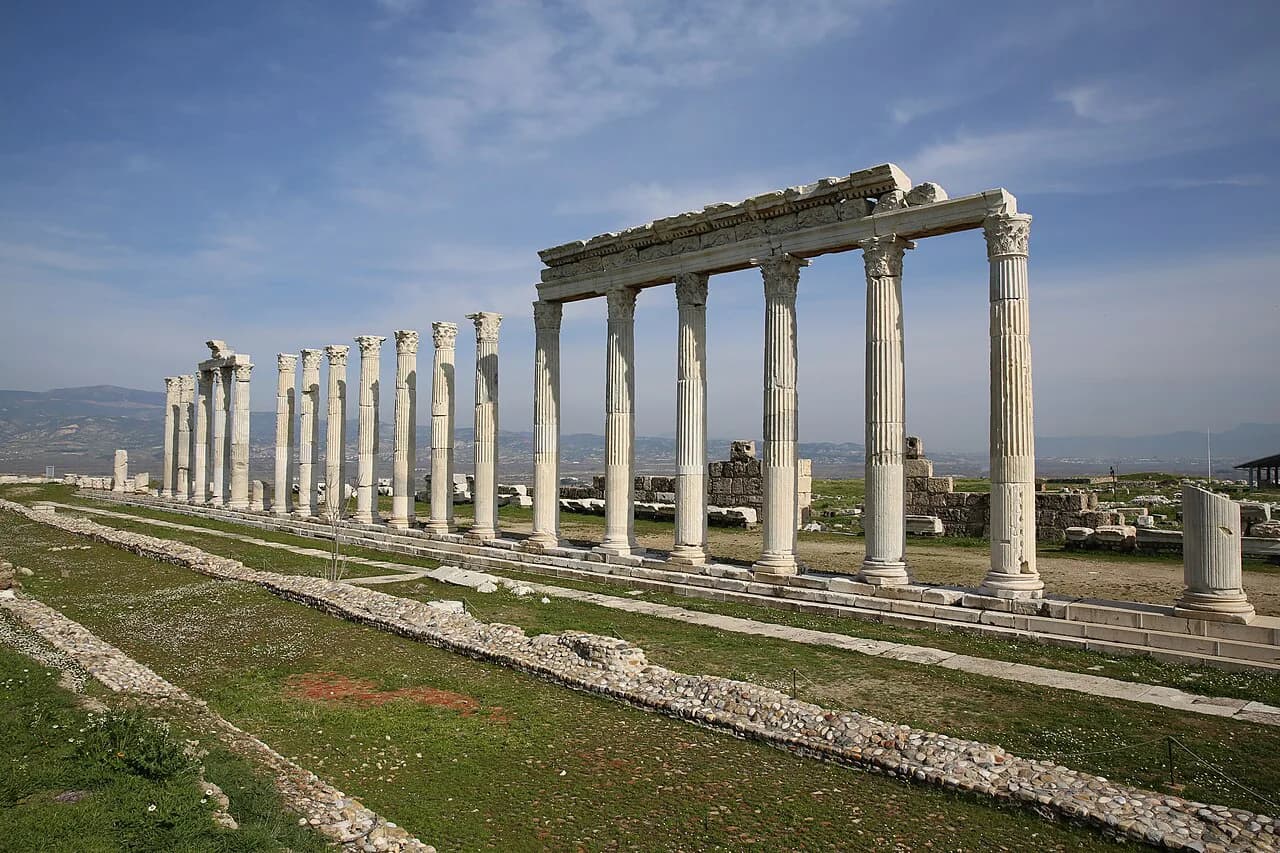
The Roman Theatre is cut into the hillside above the plateau and is the standout structure of the ruins, while the necropolis spreads across the slope with sarcophagi lining the ancient roads for roughly two kilometres. These ruins sit on the same hillside as the travertines, so most visitors see them in the same outing.
Climb from the pools into the ruins while you are fresh, then cross the plateau to the theatre before turning downhill. The necropolis sits further out and eats time, so decide early whether you want the full walk among the tombs or a shorter look near the main path.
The Antique Pool: submerged Roman columns in warm water
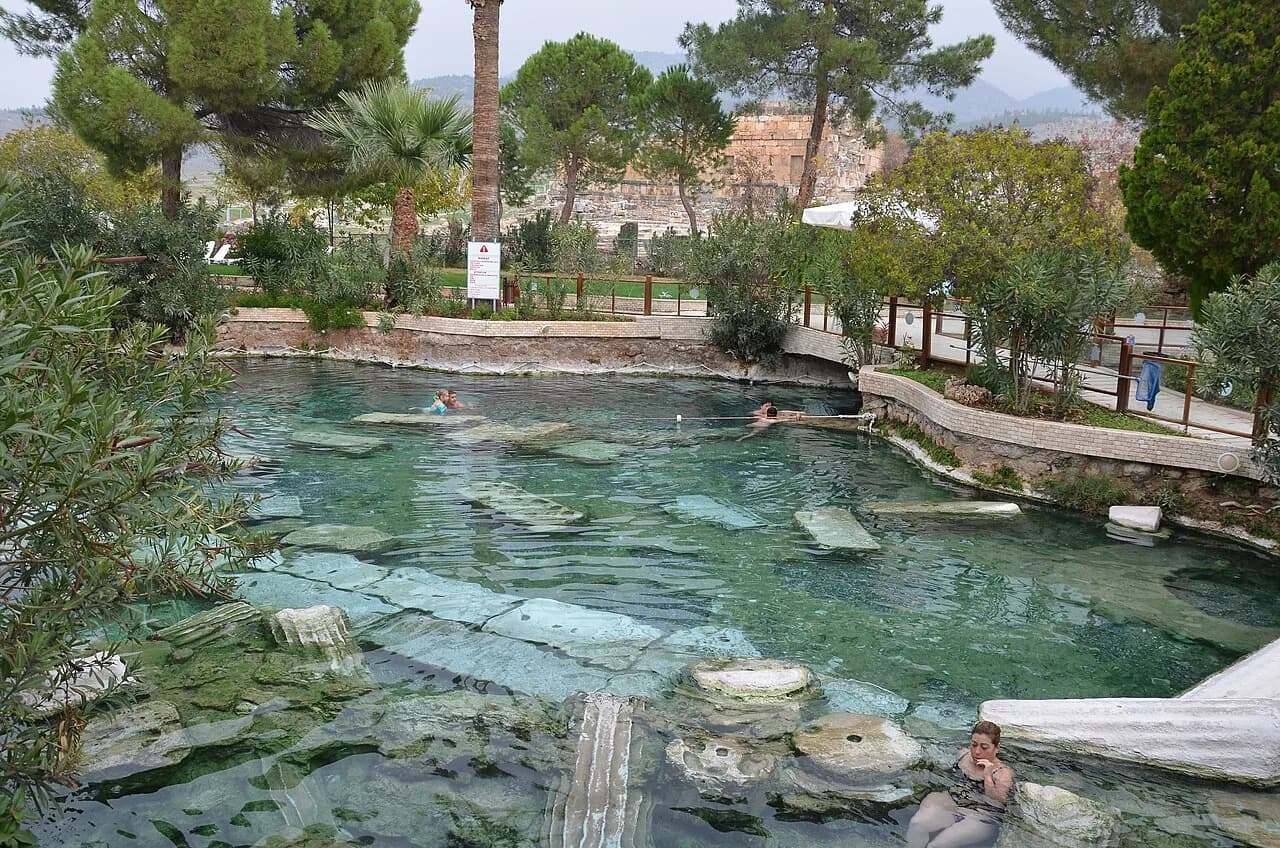
The Antique Pool, also known as Cleopatra's Pool, holds warm water over submerged Roman columns, the result of an earthquake that toppled them into the basin. It sits within the Hierapolis grounds, so it can be slotted between the terraces and the theatre in a single loop, and visitors report spending around three to four hours across the whole site.
Decide before you go whether you want to swim: check at the Antique Pool whether there is a separate charge for using it, and a towel and swimsuit make the visit easier. If you would rather not swim, the columns are still visible from the surrounding terrace.
The museum and the archaeological grounds
The museum on the Hierapolis plateau adds context to the ruins you have just walked through. It is the natural indoor pause in the middle of the day, when the white stone throws back the heat, so put it between the Antique Pool and the theatre rather than at the end, when tired legs tend to skip it.
Beyond the headline monuments, side trails lead towards tombs and temples that visitors can wander freely. Those paths are where you escape the main flow of groups, but they add distance, so keep an eye on the time if you came on a day tour with a fixed departure.
A walking route that works: pools, pool, theatre, shortcut down
Visitors who have done the loop describe a reliable order: travertines first, then the Antique Pool, then the theatre, then the shortcut path back down to the car park. Walking it this way means one ascent through the terraces and one short descent at the end.
Walk rather than relying on a transfer inside the site; the distances are manageable on foot. If someone in your group cannot manage the climb, plan around the upper entrance instead, so the ruins come first and the terraces are viewed from above.
The 3–4 hour visit and how to pace it
Budget three to four hours for the terraces, pool, theatre and museum together, and add an hour for the full necropolis walk. The site is manageable with small children, but the barefoot stretch over rough rock and the heat of the white stone are what slow a family down, so carry water, wear a hat and treat the museum as the midday rest.
If you are short of time, cut in this order: the necropolis first, then the museum, then the Antique Pool swim. The terraces and the theatre are the two things most people would regret missing, and both sit on the main loop.
Which entrance to use, and the package pressure at the booth
Pamukkale has more than one entrance, and the one you choose decides your walking order. The south entrance is the one where visitors report the audio-package problem, while an entrance close to the village puts you at the foot of the terraces. A reviewer at one of the village hotels described a walk of about 300 m to the front gate, which makes the lower approach the easy choice if you are staying overnight.
Expect pressure at the ticket window: visitors report being charged for an audio package they did not ask for, with the complaint flagged at the south entrance, and being refused refunds afterwards. Ask for the site ticket only, watch the amount on the card machine before you tap, and buy at the official booth rather than from touts in the car park, who charge more.
Ticket prices change, so treat any figure you read online as a guide rather than a guarantee. Check the current price at the booth and keep the receipt.
Getting there: day trips from the coast
Most visitors reach Pamukkale on a day trip rather than independently. Organised tours run from Kuşadası, from Side and Manavgat, and from the Gazipaşa direction, and several pair the terraces with Lake Salda or a mud bath stop on the way back. A tour solves the transport but fixes your time on site, so check how long the itinerary allows before you book.
Coming independently, Denizli is the regional hub and the name you look for on transport maps, with Pamukkale a short onward hop from there. Longer itineraries in the area can take in Laodicea and Aphrodisias, both within reach of the same stretch of inland Turkey.
Pamukkale on the wider map: Denizli and Lake Salda
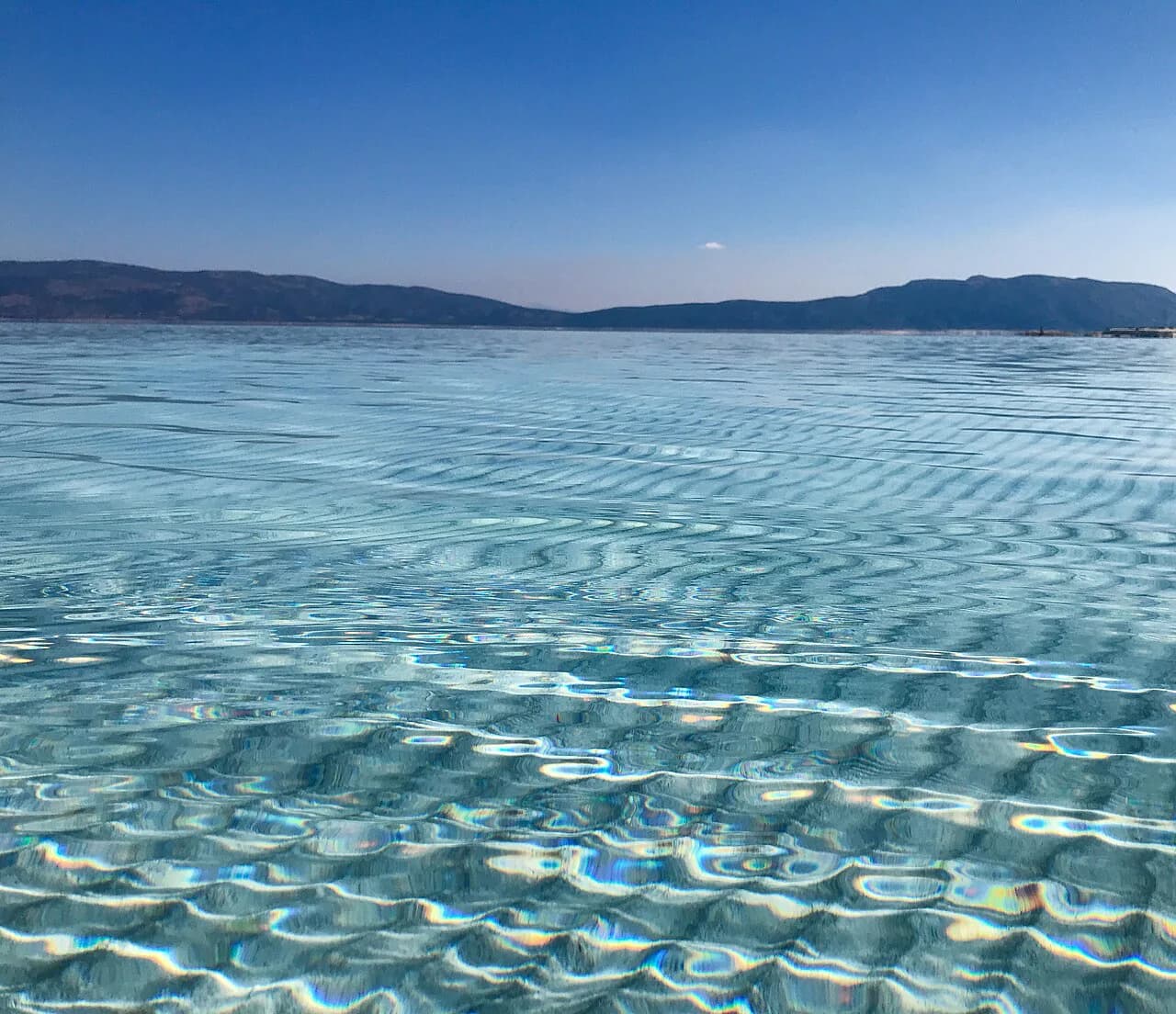
Zoom out and Pamukkale sits in Denizli Province, with the city of Denizli as its transport anchor and Lake Salda, known locally as Salda Gölü, a white-sand lake within day-trip range. Several organised tours combine the two, which tells you they work as a pair if you have a car or a booked excursion.
The wider map also explains why Pamukkale fits a coast-based holiday: it is inland from the Aegean resorts but reachable in a long day from Kuşadası, Side and Manavgat. Treat it as a full day out rather than an afternoon add-on.
Where to start your Pamukkale day
Start at the bottom of the terraces in the early morning, walk up through the pools into Hierapolis, take the Antique Pool and the theatre in that order, and come down by the shortcut to the car park. That loop covers the Cotton Castle, the Roman city and the museum in three to four hours without repeating the climb.
Pay at the official booth, refuse the audio bundle, carry water and shoes you can remove, and check the day's ticket price at the desk. With the hillside clear in your head before you arrive, the map stops being a puzzle and becomes a route.
Frequently Asked Questions
Are there hot springs in Pamukkale, Turkey?
Yes. The travertine terraces are formed by mineral-rich thermal water flowing down the slope, and you walk barefoot through the warm shallow pools. The Antique Pool at Hierapolis holds warm water over submerged Roman columns; check at the site whether it carries a separate charge for swimming.
Which is better, Cappadocia or Pamukkale?
They are different days out. Pamukkale is a single hillside of white terraces with a Roman spa city above, done comfortably in three to four hours. Cappadocia is a region of valleys and rock-cut settlements that needs several days, so the choice depends on how much time you have rather than which place is better.
Sources
Notes for your next Turkey trip
Optional updates when we add or correct a town guide.
You might also like
Continue reading
More guides you'll find useful