Fethiye Mosques: What Visitors Can See and How to Visit
Fethiye's mosques are working places of worship, not ticketed sights. Here is what you can see, how to dress, and how prayer times shape an old-town walk.
On this page
A mosque visit in Fethiye is a short, quiet stop at a working neighbourhood place of worship, not a ticketed sight, so plan it around prayer times rather than around opening hours. This guide covers the Cezayirli Mosque and the town's other Ottoman buildings, what to expect inside, dress and etiquette, and how a mosque fits a walk between the castle hill and the marina.
The name also pulls up a different building entirely: the Fethiye Mosque in Istanbul, formerly the Pammakaristos Church, which sits on the city's fifth hill and has nothing to do with this Lycian-coast town.
Where the mosques sit in Fethiye
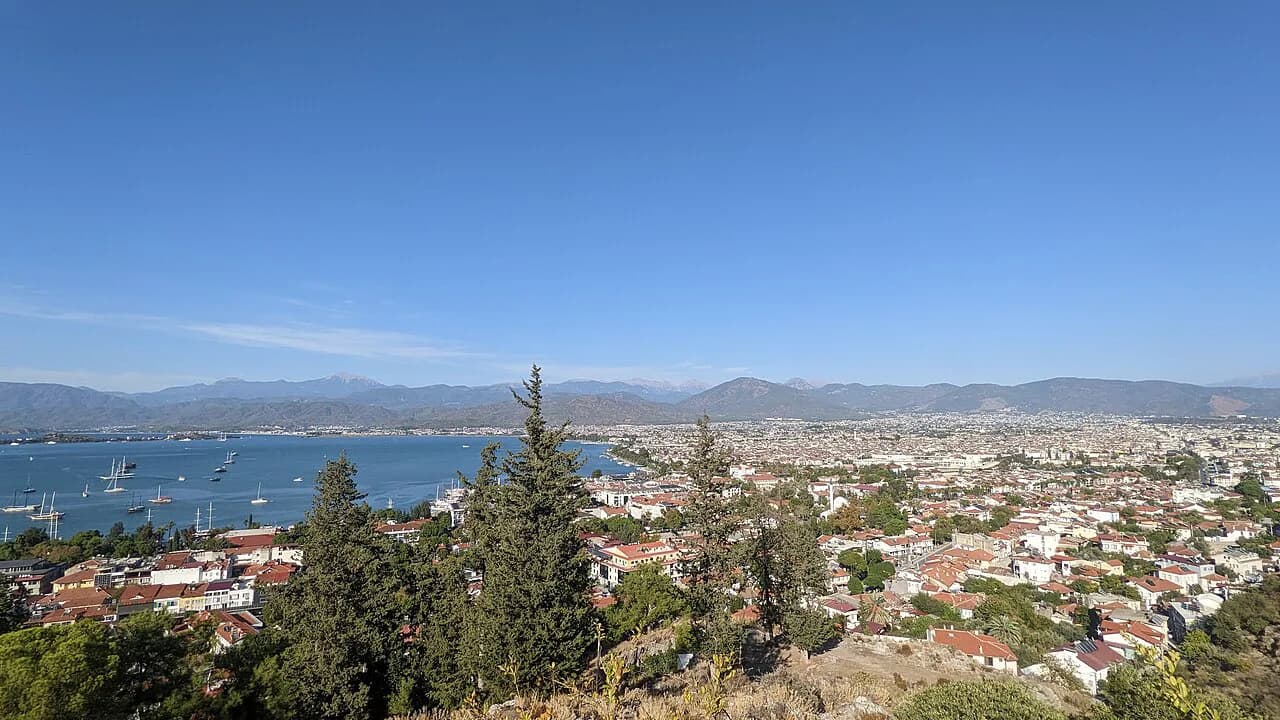
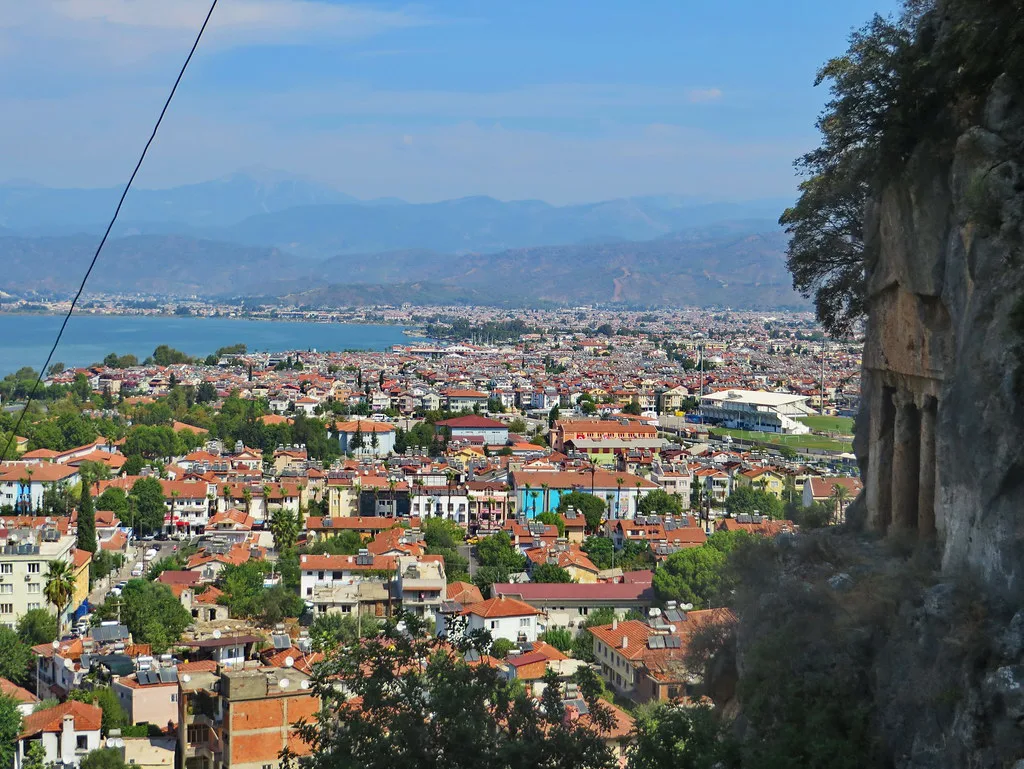
Most of what a visitor wants in Fethiye clusters in the south-west historic district beside the busy marina: restaurants, guesthouses, markets and narrow lanes. The large hill topped by castle ruins marks the southern edge of that district and is visible from almost anywhere in it, which makes it the easiest landmark for steering yourself towards the old lanes.
Use the castle hill and the water as your two anchors: the lanes between them hold the old-town shops and cafés, and a mosque stop slots naturally into that walk rather than needing a trip of its own. Expect a short detour of a few minutes on foot, not a half-day outing, and keep the visit flexible so you can pass by outside prayer times.
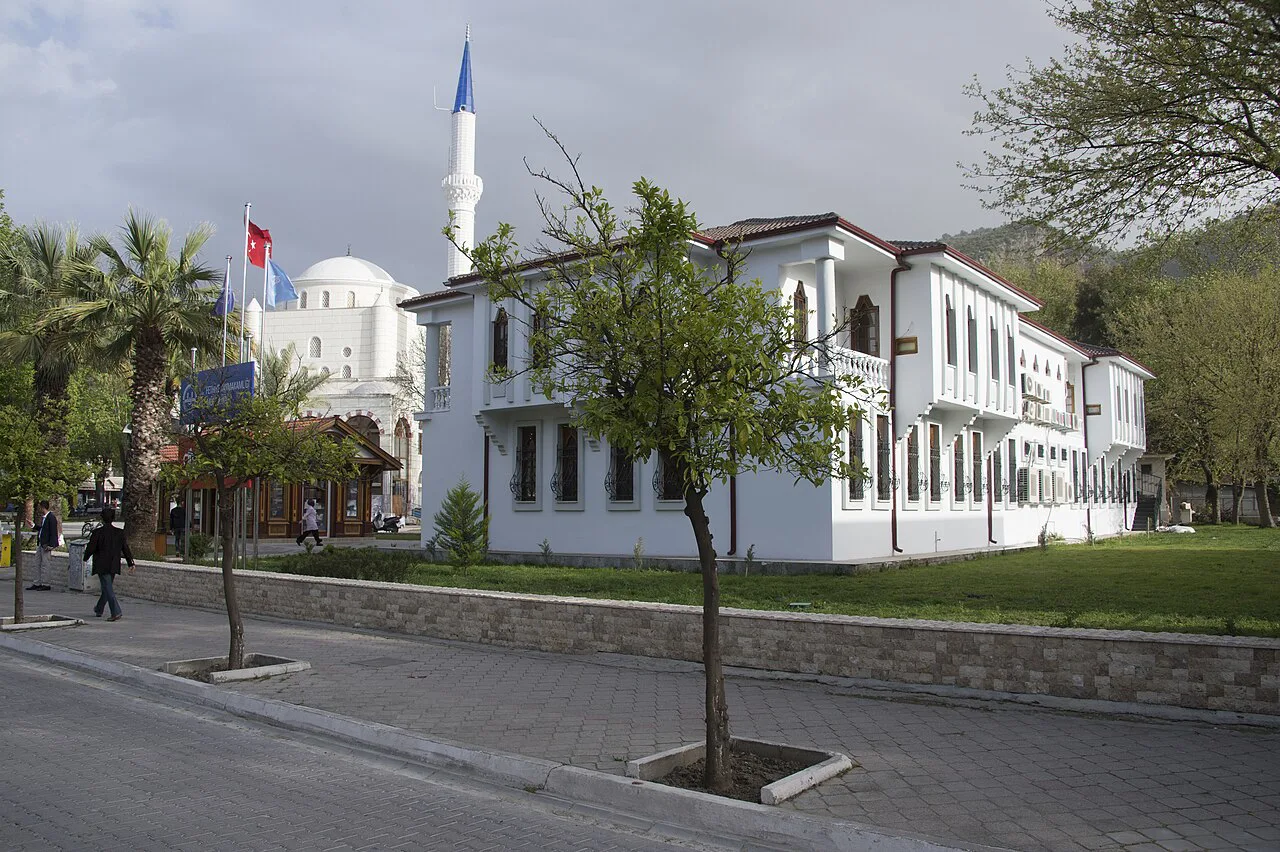
The Cezayirli Mosque and its Ottoman neighbours
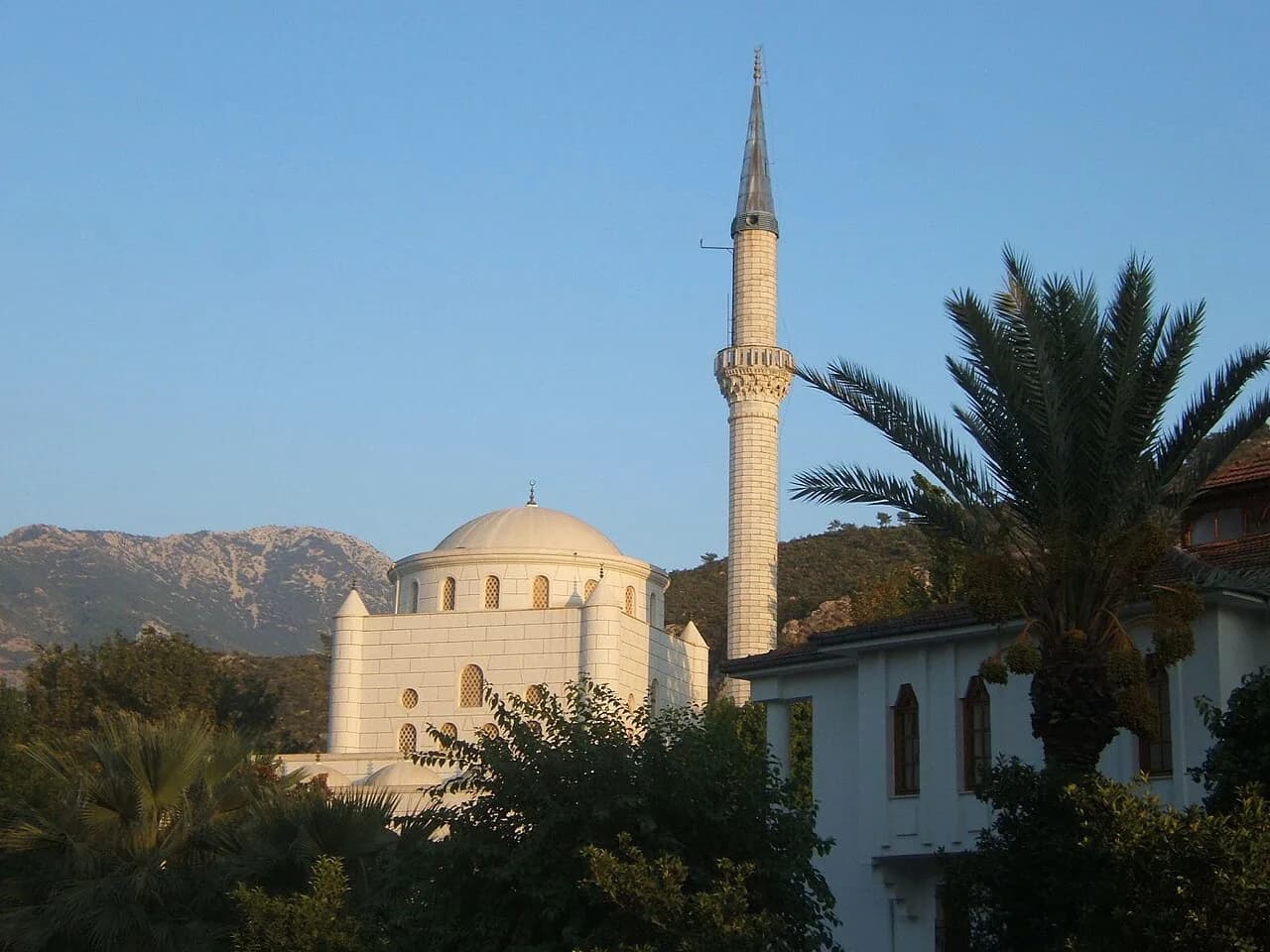
The Cezayirli Mosque was built by Cezayirli Hasan Pasha in 1792, and the same Pasha is credited with the Kemer Bridge, the Pasha Inn on the Yayla road and the aqueducts in Yaka village. That cluster of structures gives you a coherent Ottoman thread running through the town and out towards the villages, rather than a single isolated building to tick off.
Other inns named for Fethiye include the Ilıca Inn on the Üzümlü road, the İncir Inn, the Karatoprak Inn on the İnbecik road, the Daydur Inn and the Naldöken Inn. Treat these as waypoints on a wander through the lanes, since a caravanserai shell or a stretch of aqueduct reads very differently from a mosque still in daily use.
What to expect when you step inside a working mosque
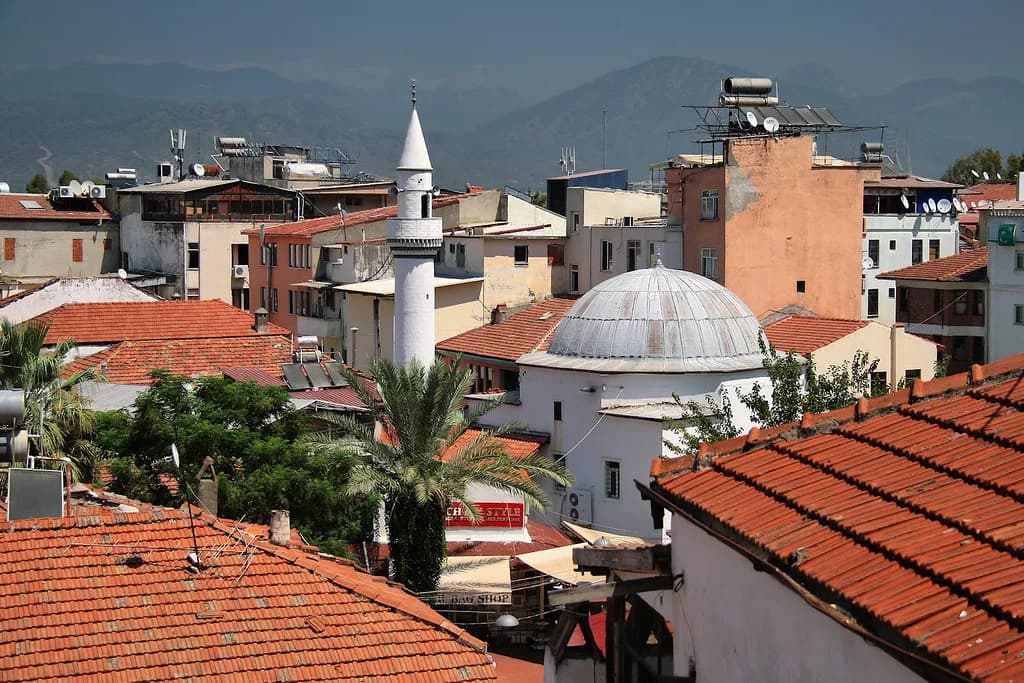
Approach any active mosque as a working prayer hall rather than a museum. As is standard in Turkish mosques, shoes come off at the entrance, women cover their hair with a scarf, and everyone dresses modestly with shoulders and legs covered. Keep your voice down, keep phones silent, and avoid stepping in front of anyone who is praying.
In Turkish mosques non-Muslim visitors are commonly received outside prayer times, but the sensible approach is to look for an entrance set aside for visitors or to wait until worshippers have finished and the hall is quiet. If the door is closed or the courtyard is filling with people arriving for prayer, come back later rather than slipping in.
Timing a visit around prayer times
Prayer shapes the day: five daily prayers punctuate the hours, and Friday midday prayer draws the biggest crowd of the week, so the hall and courtyard are busiest then. Aim for the stretches between prayers, when the building is usually calm, and be ready to step back out if a call to prayer starts while you are inside.
The practical consequence is that a mosque stop is best treated as a five-to-fifteen-minute pause with a built-in escape route. If you are walking the old town with a fixed plan, put the mosque early or late in the day and let the castle hill and harbour fill the middle.
Etiquette mistakes to avoid
The mistakes that stand out are noise and photography: conversations carry in a domed hall, and photographing people at prayer is intrusive. Ask before photographing the interior at all, never use a flash, and keep the camera pointed at architecture rather than at worshippers.
Walk around the edge of the prayer floor rather than across the front of the mihrab, and do not treat the courtyard as a picnic spot or a place to wait with shopping bags. A scarf in your day bag and a pair of easily removed shoes cover most of what you need.
Fethiye Mosque in Istanbul: a different building
Search results for the name often point to Istanbul, where the Fethiye Mosque began life as the Pammakaristos Church, a middle-Byzantine church, and was turned into a mosque in the years 1668–1670. It is a completely separate monument from anything in the Lycian-coast town, so check the city before you set out.
The Istanbul building had for many decades been used as a storage room for antiquities, with restoration planned from 2013, which is why old photographs and museum references can look confusing. If a map pin, a photo caption or a ticket listing says Fethiye Mosque, look at the city first.
Pairing a mosque with the rest of the old town
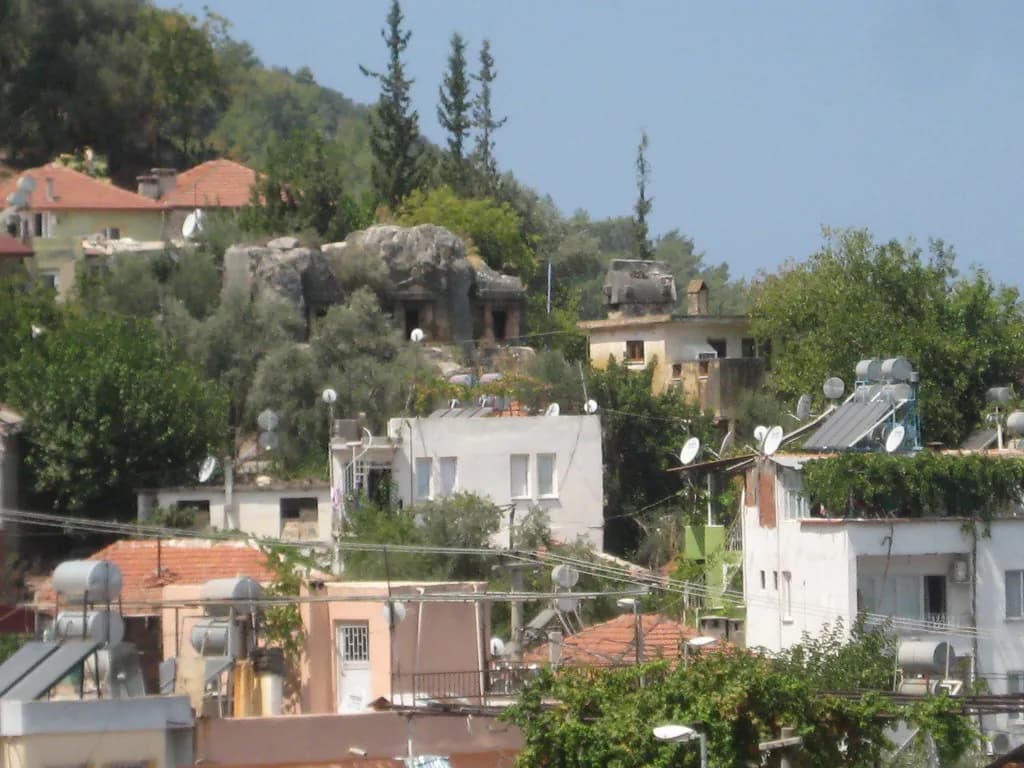
The Lycian rock tombs carved into the cliff are the town's defining sight, and the most elaborate, the Tomb of Amyntas, is reached by a long flight of stone stairs and can also be seen from the plain below. Allow the climb and the return leg a proper hour, because the steps are steep and the heat on the exposed face is real.
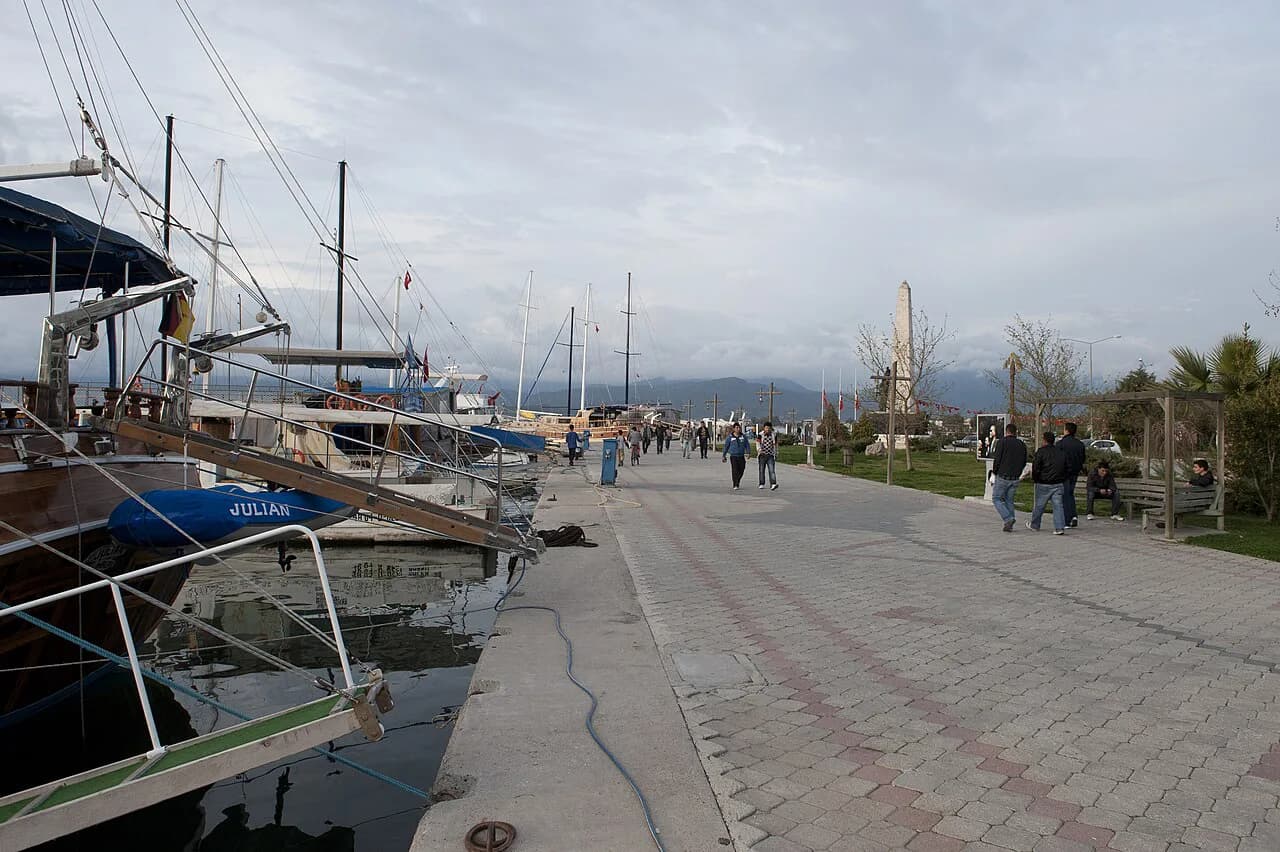
The Telmessos Antique Theatre near the marina, with seating for around 1,500 people, is a quick look on the way down towards the water. Pair it with the lanes of the Fethiye Old Town, where the cafés and shops run back from the harbour front, and you have a steady downhill route from the tombs to the waterfront.
The Fethiye Museum holds a Young Girl's Statue with a Dove and a trilingual stele used to study the Lycian language, and it is open every day except Monday from 09.00 to 18.00. That single fixed opening window is the one timetable worth building your day around, with the mosque slotted in outside it.
Practical notes for a mosque stop
A mosque stop needs no planning beyond timing it between prayers: walk in, look, and walk out. Build it into a half-day old-town circuit rather than a dedicated outing, and treat the castle hill, harbour and museum as the fixed sights around it.
For the wider Lycian sites that frame the day, the museum's archaeology hall and open-air display of tombs and the Izraza Monument show how the region's carved-stone tradition reads in a collection. Time it after the mosque and before an evening on the harbour.
How to slot a mosque into your old-town day
Start at the castle hill for the view, drop down through the lanes to the Cezayirli Mosque and the inns and bridges of the Ottoman town, then finish at the marina. Doing that on foot keeps the mosque as one short, respectful stop on a bigger walk rather than a destination in itself.
Explore more Fethiye guides
Frequently Asked Questions
Can non-Muslims go inside a mosque in Fethiye?
In Turkish mosques non-Muslim visitors are commonly received outside prayer times, so wait until the hall is quiet, take your shoes off, cover your hair if you are a woman, and step out if a call to prayer begins. Check current details on the spot.
Is there a ticket to visit a mosque in Fethiye?
Mosques in Fethiye are working places of worship, so plan on visiting as a quiet stop between prayers rather than as a ticketed sight. Confirm any local visitor arrangements when you arrive.
What should women wear to a mosque in Fethiye?
Cover your hair with a scarf, keep shoulders and legs covered and wear loose clothing. Carry the scarf in your day bag and choose shoes that slip off easily at the entrance.
Sources
Notes for your next Turkey trip
Optional updates when we add or correct a town guide.
You might also like
Continue reading
More guides you'll find useful