Fethiye Museum: What to See and Whether It's Open
Fethiye Museum has been closed for strengthening works since March 2023. Plan instead around the rock tombs, Telmessos theatre and Lycian sites nearby.
On this page
Fethiye Museum is closed to visitors for strengthening works, a closure that began on 4 March 2023 and lasts until the works are completed. Plan the town museum out of your itinerary and build the day around the Lycian rock tombs, the Telmessos theatre and the sites beyond the harbour instead. This guide covers what the museum holds, where it stands in relation to the old town, and which trips out of Fethiye are worth the half-day.
Searches for Fethiye museum often land on the Fethiye (Pammakaristos) Museum in Istanbul's Fatih district, a Byzantine church turned mosque on the city's old peninsula. That is a different building several hundred kilometres away, and it is also closed for renovation. Anyone heading to the Muğla coast should work from the town museum's own record, not the Istanbul listing.
Fethiye Museum: the short answer on whether you can visit
The museum in Fethiye town is shut. Turkish Museums records it as closed to visitors from 4 March 2023 until reinforcement works are finished, and no reopening date appears on that page. Treat any plan built around its galleries as a plan to rearrange.
The Istanbul namesake is a separate case: the Pammakaristos building in Çarşamba is listed as closed for renovation until further notice. If a search result points you to mosaics and a parekklesion, you are reading about Istanbul, not the Lycian coast. Nothing about that church's collection or ticket has any bearing on a Fethiye holiday.
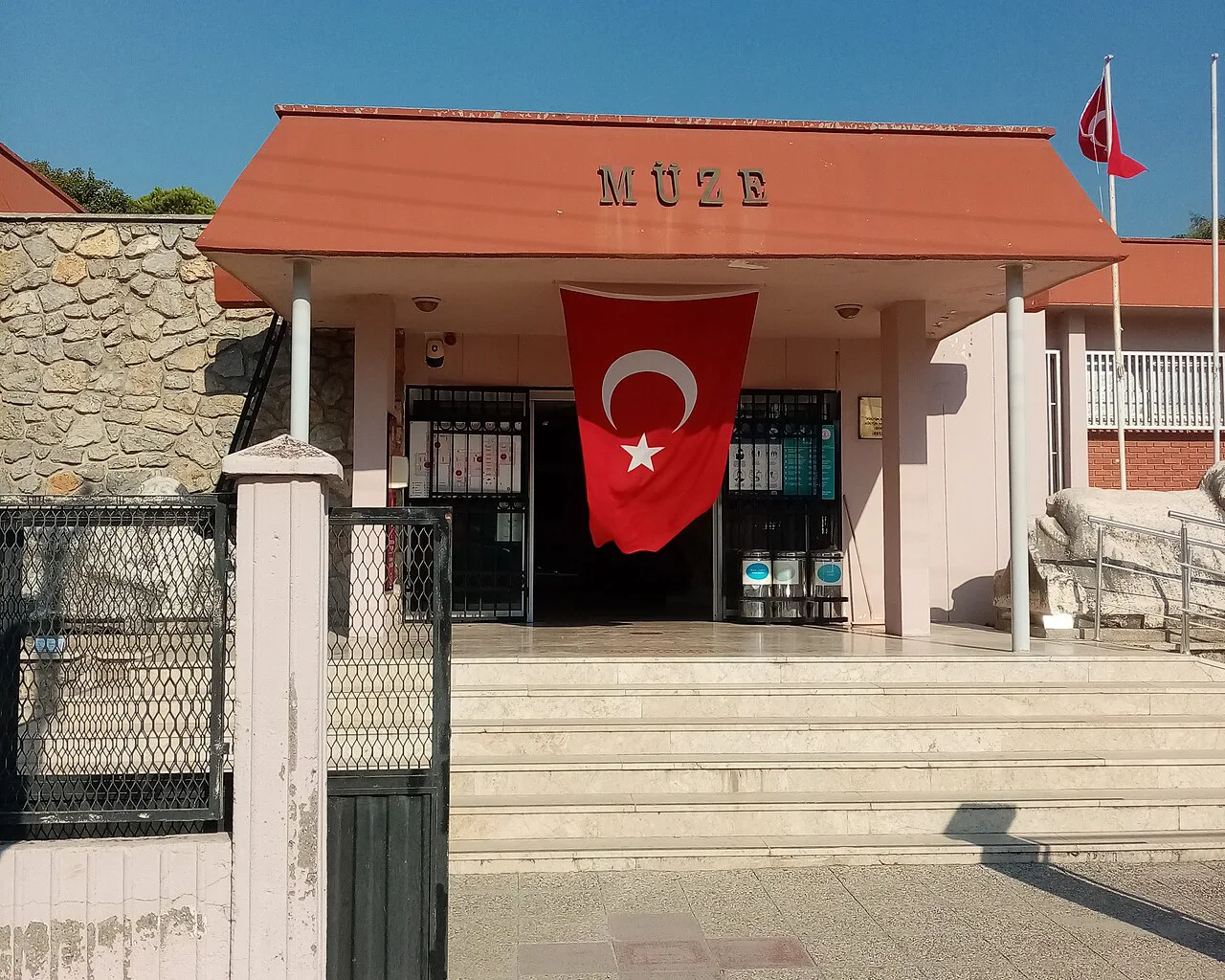
What Fethiye Museum holds: archaeology, ethnography and the garden
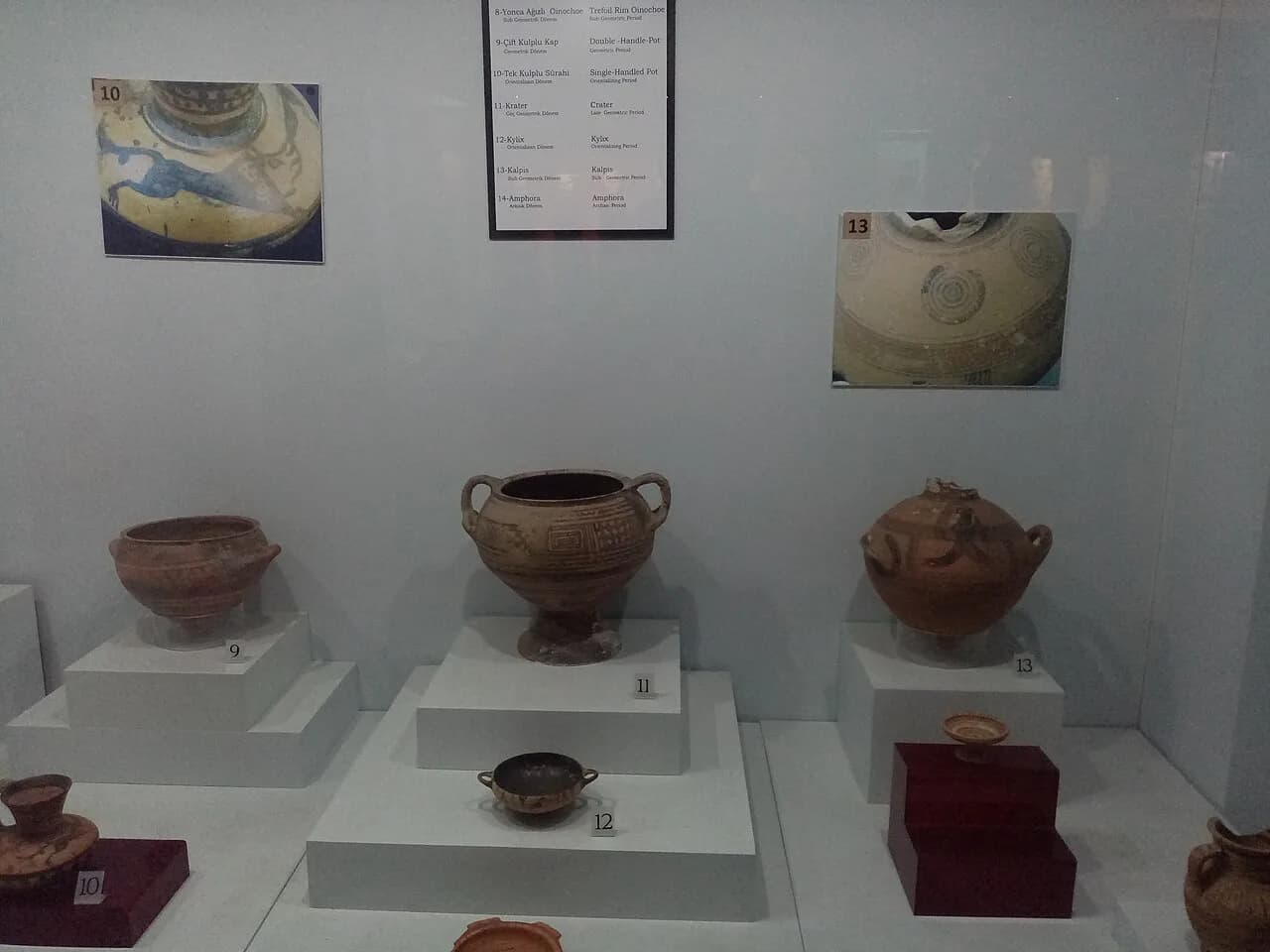
The museum building opened in 1987 after construction began in 1982, replacing earlier displays that had been gathered in rooms of the town hall and shown in the open air near the harbour. Its two exhibition halls are an archaeology hall and an ethnography hall, with a garden of large stone pieces outside. Much of the collection is ceramic, arranged in chronological order across the period from 3000 BC to Ottoman times.
The archaeology hall holds pottery and statues, including a Young Girl's Statue with a Dove. The ethnography hall displays hand-woven textiles from the region, silver jewellery and a dastar headscarf loom. In the open-air section you can see large stone works, tombs and the Izraza Monument.
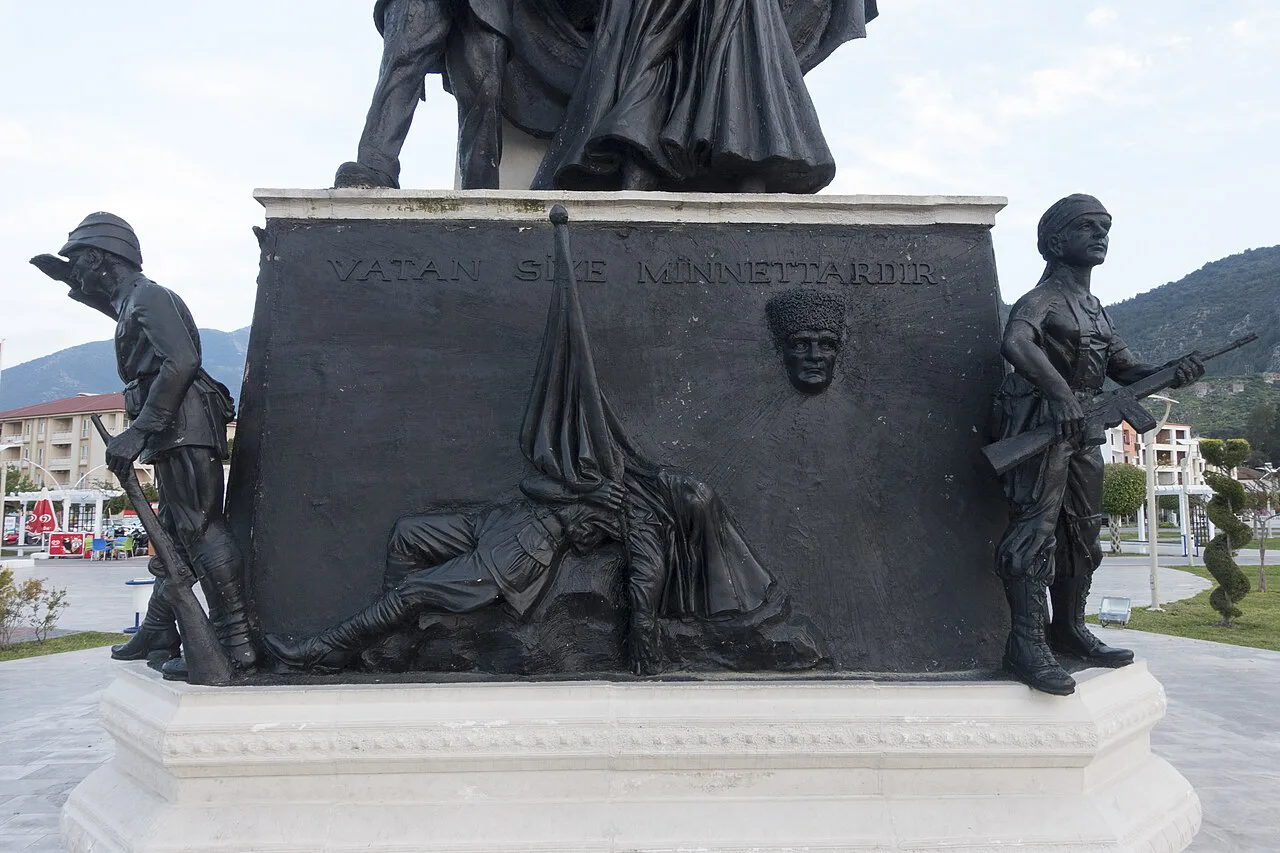
The pieces to look for: the trilingual stele, the Izraza Monument and the Kakasbos offerings
The museum's signature object is a trilingual inscription in Lycian, Greek and Aramaic, the kind of parallel text that lets scholars decode a language. A bilingual Carian-Greek inscription and offerings dedicated to the god-hero Kakasbos are also in the collection, alongside material specific to the Lycian region. The stele matters because it helped analysis of Lycian, so it is the piece to seek out if the museum reopens during your stay.
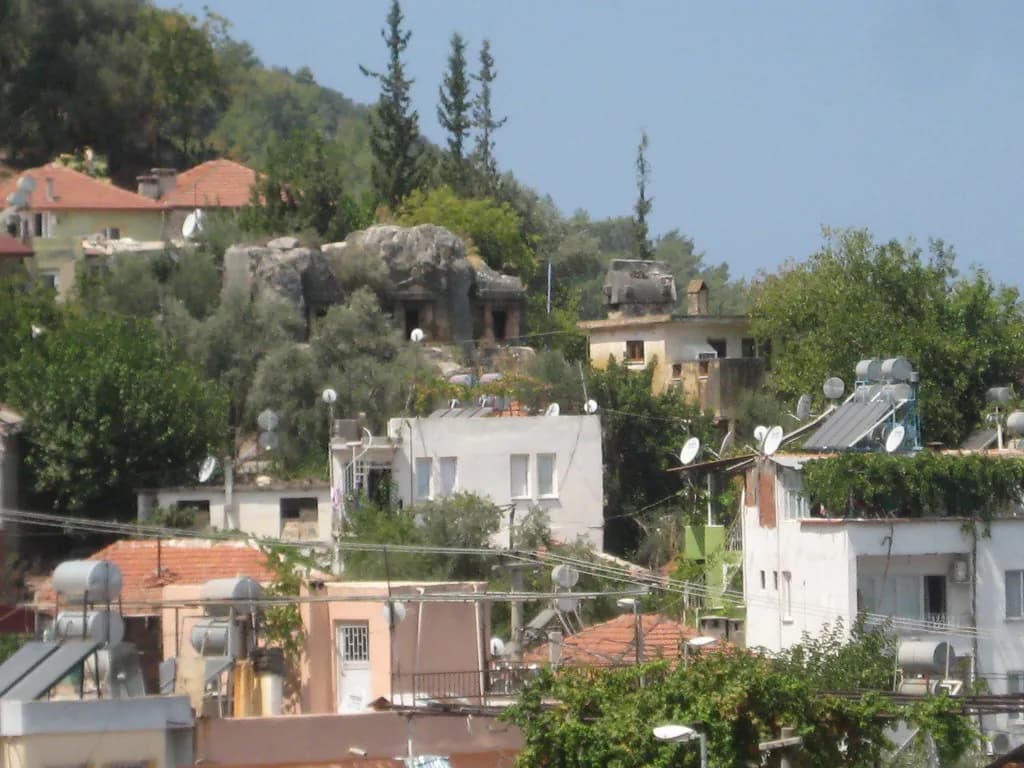
Without access to the halls, look for the same culture in the landscape. The tombs cut into the rock face above town are the district's emblem, and the Amintas tomb carries a 4th-century BC inscription naming Herpamias' son Amintas. The lower plain gives a clear view of it, and stairs lead up for a closer look.
Where the museum sits and how it fits a harbour and old town walk
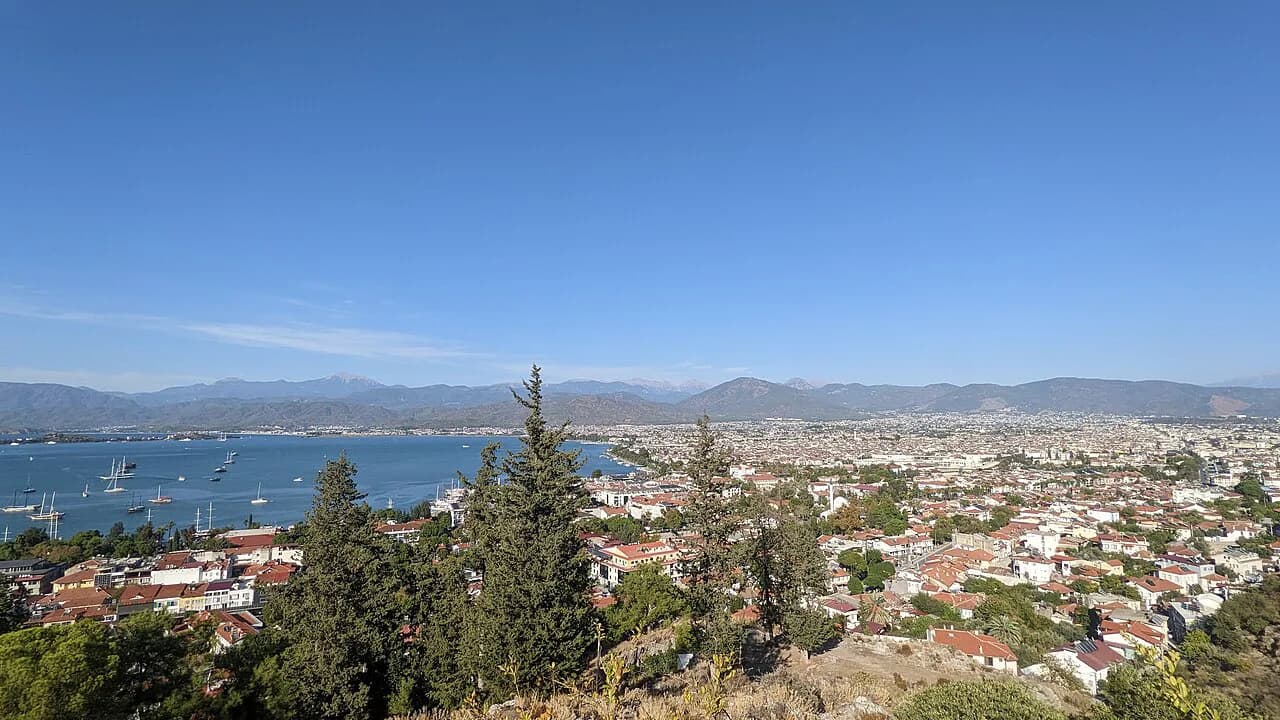
The museum stands in the town centre, a short walk from the harbourfront where the earlier open-air displays were once shown. Pair it with a wander through Fethiye old town, where the bazaar streets run inland from the water and the cafés sit under vines. Build the route so the closed museum door is a passing point rather than a destination.
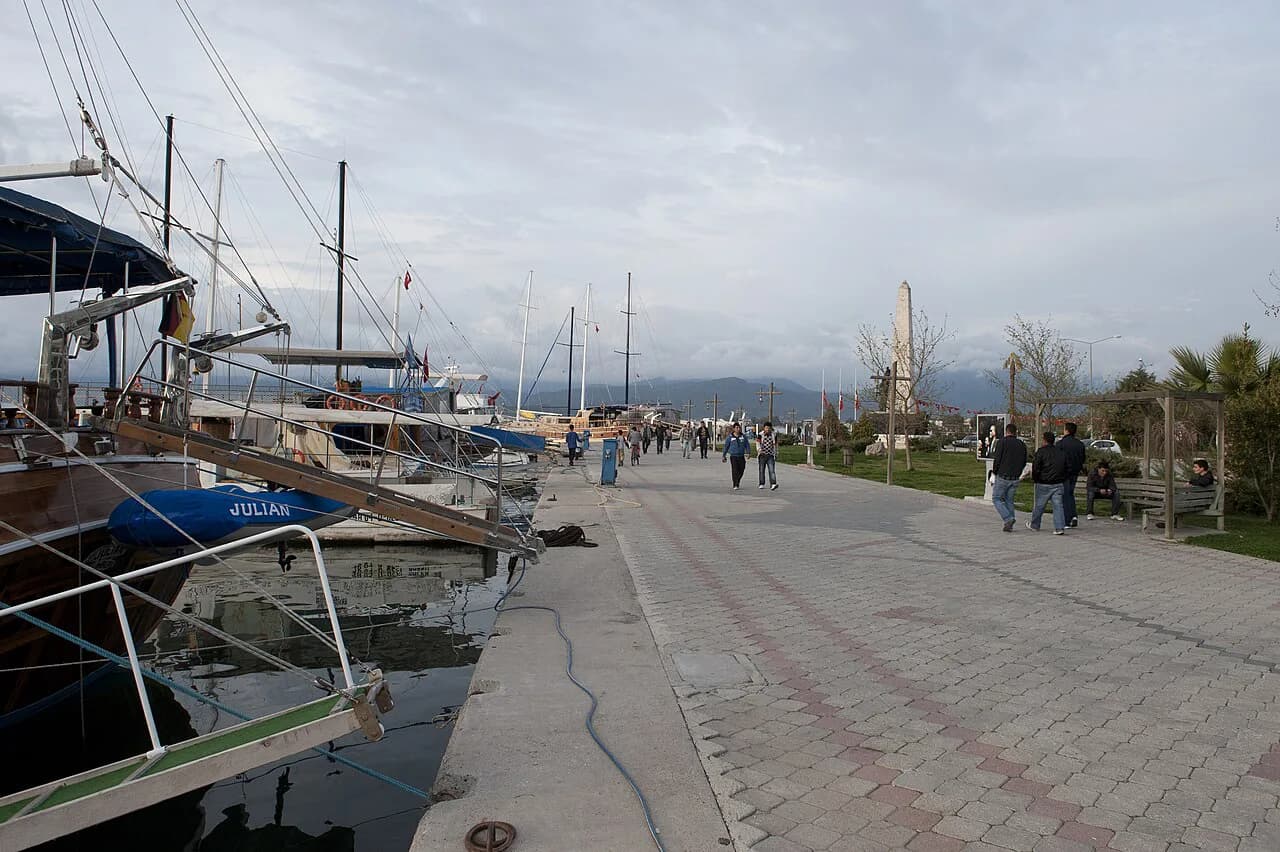
From the museum area, walk down to Fethiye harbour for the boats and the fish market, then climb towards the rock tombs in the late afternoon when the light softens. The rock tombs sit above the town and are the one sight here you can count on without a ticket desk or a closure notice. Allow a couple of hours for the loop at an easy pace.
Museum closed: what the reinforcement works mean for your plans
Reinforcement works mean structural strengthening, not a rehang of the cases, so the closure is unlikely to lift on a whim. The notice on the official museum listing is the place to recheck before you travel, since it will be updated when the works finish. Do not rely on older guidebook opening hours such as daily opening except Mondays from 09.00 to 18.00, because the closure supersedes them.
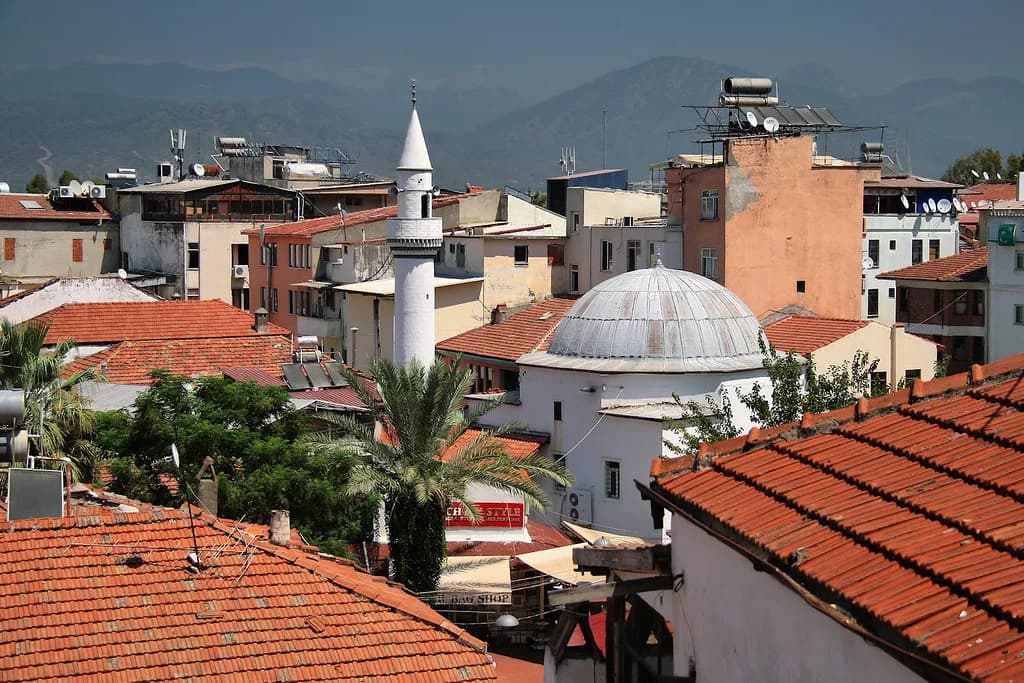
A rained-off morning still has options. The covered bazaar streets of Fethiye old town keep you dry, and the town's mosques are open to visitors outside prayer times with shoes off and shoulders covered. Add the Cezayirli Mosque, built by Cezayirli Hasan Pasha in 1792, to the walk.
Lycian rock tombs and the Amintas tomb above the town
The rock-cut tombs are the closest thing to a museum you can visit without a door. They date from the Lycian period, and the Amintas tomb is the most elaborate of them. The climb is by regular stairs, and the tombs are visible from the plain below, so a viewpoint stop works even if you skip the ascent.
Other tombs are scattered around the district, including one rising from the sea. The tombs are outdoor archaeology with no labels or shelter, so carry water and go early or late rather than at midday in summer. Unlike a museum with a posted closure, these are open-air monuments you can view from the path and the plain below.
The Telmessos theatre and the Cezayirli Mosque
The Telmessos Antique Theater was found during drilling in 1993, with its seats buried three to four metres under eroded soil, and excavation through 1995 brought the remains back to the surface. It was built in the early Roman period and repaired around AD 2000, and it was used as an arena. It now seats 1,500, down from an original capacity of 5,000.
Cezayirli Hasan Pasha, who built the mosque in 1792, also left Fethiye the Kemer Bridge, the Pasha Inn on the Yayla road and the aqueducts in Yaka village. It is a short stop on a town walk rather than a sight in its own right. Combine it with the harbour and the bazaar for a half day.
Ancient sites within reach of Fethiye: Tlos, Letoon, Pınara, Cadianda and Kayaköy
Tlos lies 45 km from Fethiye and holds rock-cut house tombs and a king-type tomb in its necropolis. Letoon, 55 km away, was the religious centre of the Lycian Federation, with three temples and early Christian churches under excavation since 1962. Pınara, also 55 km out on the foothills of Mount Akdağ, is known for its pigeon-hole tombs and a temple to Aphrodite.
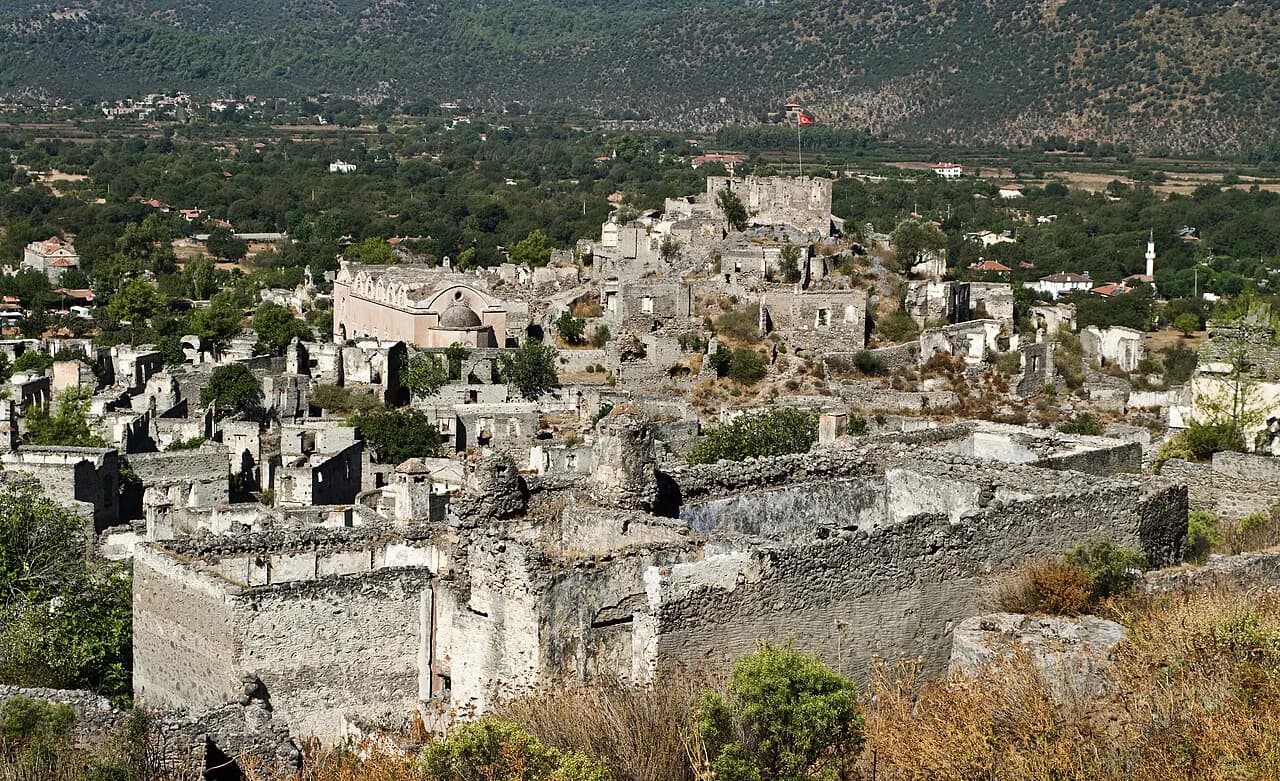
Cadianda is the nearest of the group at 25 km, reached via Üzümlü village, with a theatre, agora, stadium-bath complex and monumental tombs. Kayaköy, the abandoned settlement of Levissi, sits closer still and is easily combined with Ölüdeniz. Gemiler Island, reached by boat from Ölüdeniz or Gemiler Bay, has Byzantine churches and chapels.
Do you need a car, dolmuş or tour for the outlying sites?
Tlos and Letoon together make a full day, given the distances and the walking at each. Cadianda and Kayaköy are the realistic half-day options from town. A car gives you the most flexibility, since the rural sites sit off the main roads.
Dolmuş minibuses run on fixed routes to the villages, but the last stretch to a site is usually on foot. Organised tours remove the transport problem at the cost of a fixed schedule. Whichever you choose, confirm the return time before you commit.
Practical etiquette and ticket notes for Lycian sites
No admission price appears on the museum's closure notice, so budget by checking the official museum site on the day. The same applies to the outlying sites: prices change and are not fixed in this guide. Carry cash in Turkish lira for small entries and village stops.
At outdoor sites, wear shoes with grip, since the rock paths are worn and uneven. At mosques, remove shoes, cover shoulders and knees, and avoid prayer times. Keep voices low at the tombs, which are burial monuments rather than photo props.
Which Fethiye sight to build the day around
With the museum shut, the strongest day is the rock tombs in the morning, the Telmessos theatre and Cezayirli Mosque before lunch, and the harbour or bazaar in the afternoon. The tombs and theatre need no ticket desk and no opening time, which makes them the reliable core of any plan.
If you want one out-of-town trip, choose Cadianda for half a day or Tlos and Letoon for a full one. Recheck the museum listing before you travel in case the works finish. Everything else on this page works whether the museum opens or not.
Sources
Notes for your next Turkey trip
Optional updates when we add or correct a town guide.
You might also like
Continue reading
More guides you'll find useful