Shopping in Antalya: Bazaars, Markets and What to Buy
Plan shopping in Antalya with Kaleiçi's bazaar, street markets, malls and what to buy. See market days, opening hours and how to bargain before you go.
On this page
Shopping in Antalya works best when you pick the setting for the job: the covered bazaar and Kaleiçi lanes for textiles, ceramics and souvenirs, a neighbourhood street market for cheap local produce and clothes, and a mall for a hot afternoon or a late evening. The old town and the bazaar are within walking distance of Hadrian's Gate and the marina, so a browse slots easily into a sightseeing day. This covers what to buy, the main markets and malls, opening hours, and how bargaining works. For the wider sightseeing picture, see things to do in Antalya.
What to buy in Antalya: ceramics, copper, lamps, leather, lokum and pistachios
Typical purchases are those that pack flat and are made locally: an oriental lamp, a ceramic plate, a tea set or a copper pot. A carpet is a bigger commitment, and a leather jacket can be made to measure. For sweets, rose water lokum travels well; pistachios grown near Antalya are the savoury option. Shops in the old town also sell antiques, paintings and high-quality carpets, with Ottoman-era houses adding to the atmosphere. In the covered bazaar near the clock tower, or Saat Kulesi, you will find souvenirs, Turkish lokum, imitation bags and clothing set out for browsing.
The covered bazaar by the clock tower and the street down to the marina
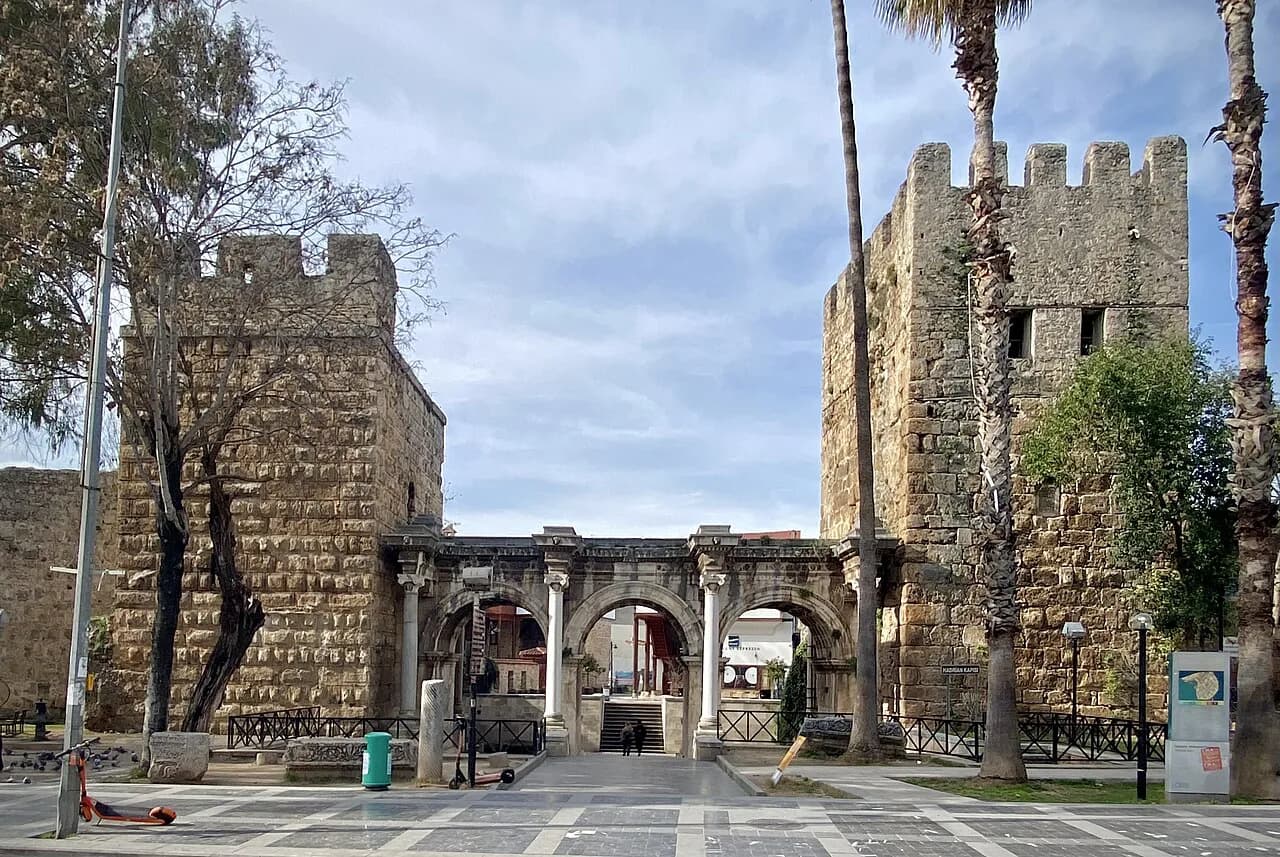
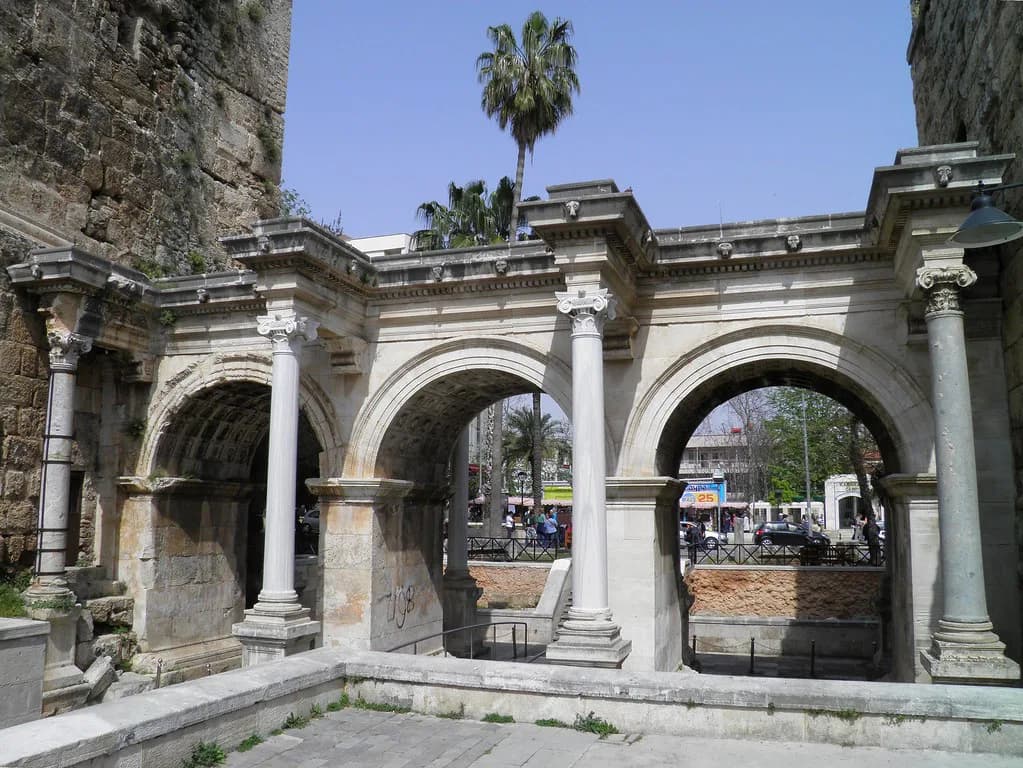
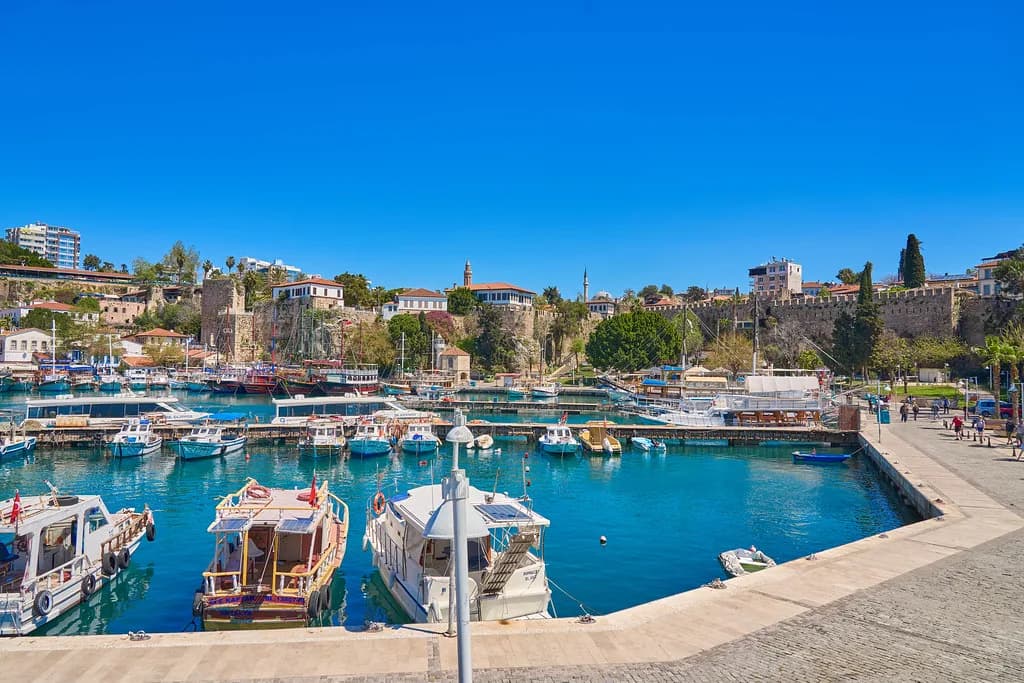
The large covered bazaar beside the clock tower, often called the Old Bazaar, is the most convenient stop for an oriental-market experience: stalls sell souvenirs, Turkish lokum, imitation bags and clothing. Bargaining is allowed and expected here. The street that runs from the Antalya harbour up to the clock tower is lined with small boutiques selling clothes and souvenirs, so you approach the bazaar straight from the waterfront. Near Hadrian's Gate and the old town edge, Atatürk Street has a high concentration of jewellery and leather stores, with smaller boutiques on its side streets. Treat this strip as the centre of the souvenir trade rather than a place for high-street labels.
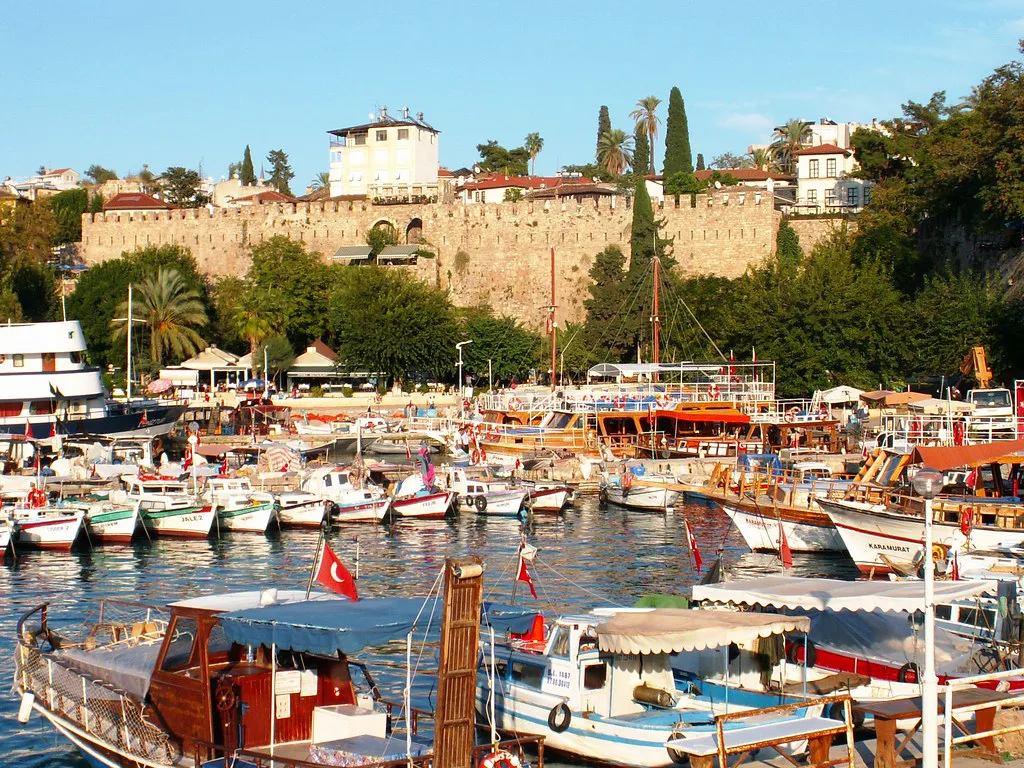
Kaleiçi old town: souvenir shops, antiques, carpets and cobbled lanes
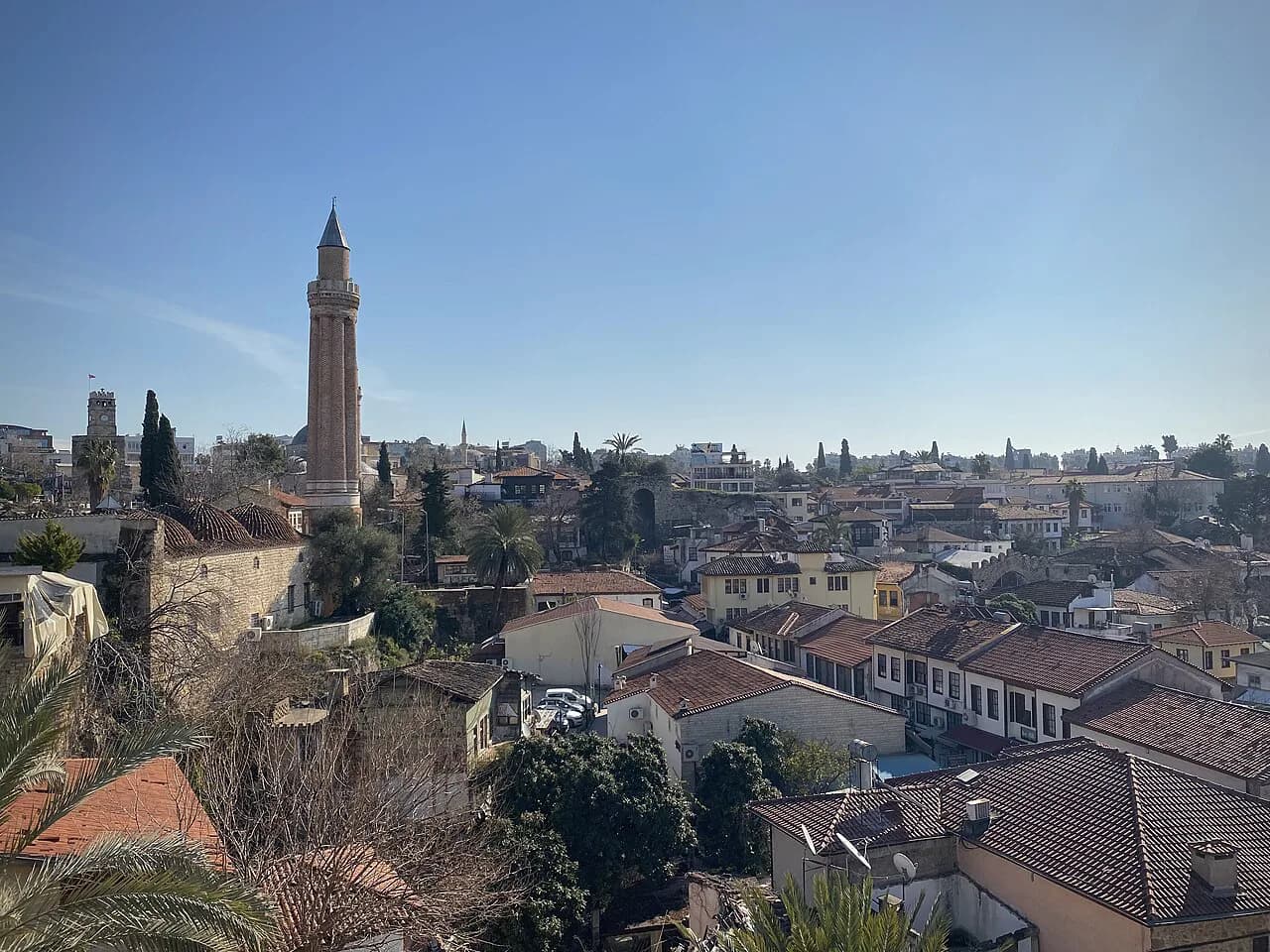
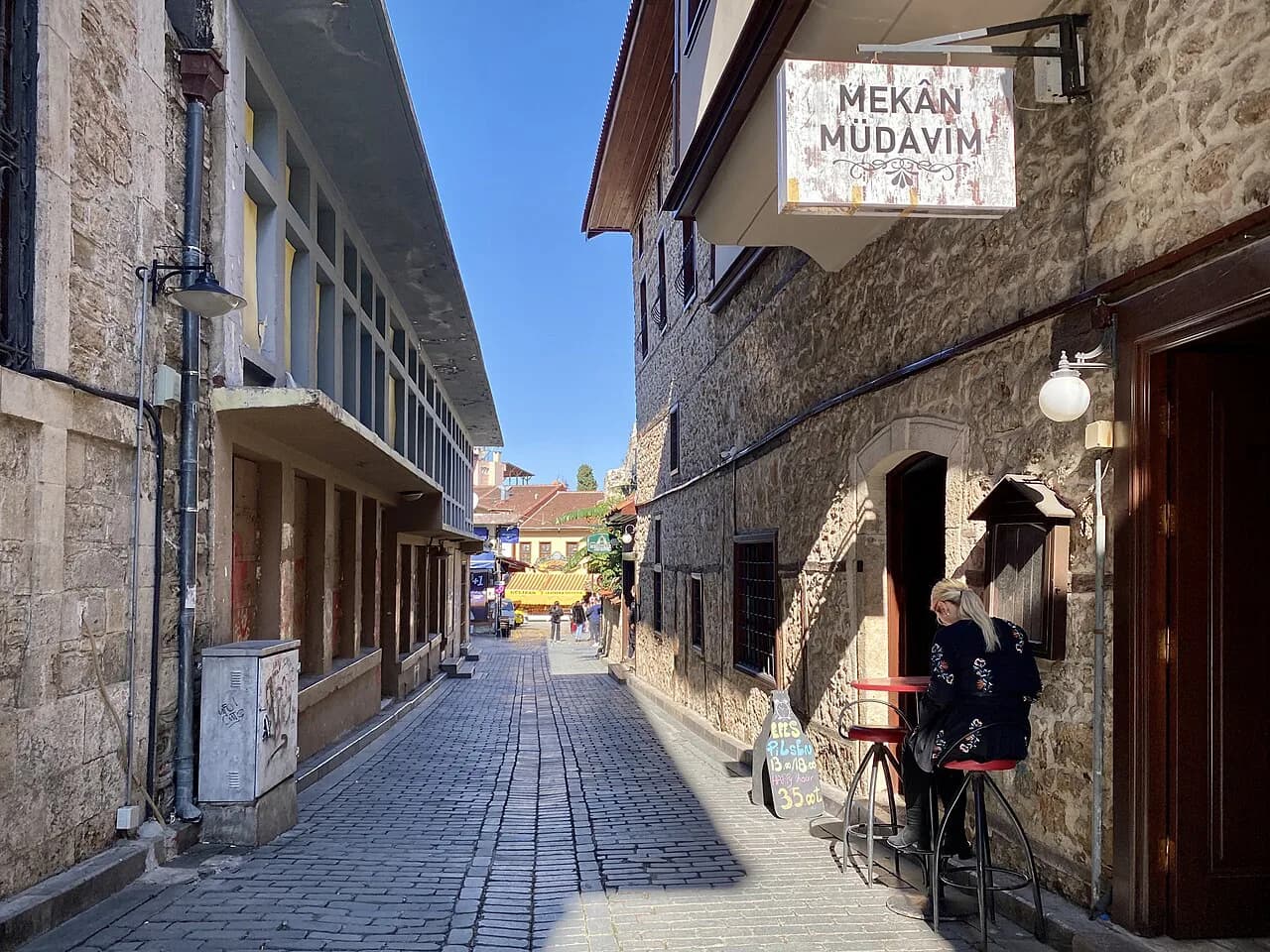
Kaleiçi, Antalya's old town, is a maze of narrow cobbled streets where souvenir shops sit side by side with antiques dealers, painting sellers and carpet shops. Many of the buildings date from the Ottoman era, and the lanes themselves are part of the appeal. The Kaleiçi Antalya Market is the commercial heart of this area, with shops, cafés and restaurants lining the streets and stalls selling traditional antiques, clothing, spices and Turkish sweets. If you want to buy rather than sightsee, walk the lanes around the old town with a little time and patience. Use an Antalya map to keep track of the lanes before you start. For a dedicated walk through the bazaar and the lanes, see the Antalya bazaar guide.
Street markets in Konyaaltı and beyond, and which days they run
Neighbourhood street markets are where locals shop for food, clothing and household goods, and they run on fixed days. In Konyaaltı, Siteler Market opens on Monday, Altınkum Market on Friday, Pınarbaşı Market on Sunday, and Liman Market on Tuesday. Liman also opens on Saturday, and Alanya's Mahmutlar market runs on Saturday, Sunday and Tuesday. Inland, Döşemealtı's Bahçekaya market opens on Friday and its Çıkçıllı market on Saturday. Laura Antalya Street Market at Muradpaşa is open on Saturdays, with umbrellas along its length for shade. These markets are known for reasonable prices and an acceptable quality of clothing, food goods and household items, with the Wednesday Bazaar in the centre dominated by clothing and also selling fruit, vegetables and household goods.
The Wednesday Bazaar is Antalya's main central market, with a covered roof that protects shoppers and vendors from rain and heat. It runs on Wednesdays and is popular with both visitors and locals because of its central location. Expect the widest choice of clothing here, sold at lower prices than in shops. You can plan market days and the rest of your week using an Antalya map. Market days are fixed by neighbourhood, and the city's market scene changes with the season. Check the day before you set out, as the city's market calendar is not published in one place.
Manavgat market for holidaymakers based on the eastern side
If you are staying in Manavgat or along the eastern resort strip, the Manavgat market is the obvious alternative to travelling into central Antalya, and it is listed among the best places to shop in the region. It sells the same mix of souvenirs, clothing and local food you find in the city's bazaars. It will not match Kaleiçi for antiques or carpets, but it is far easier to reach from the eastern resort strip. Ask your accommodation for the current market day and bus or dolmuş arrangements before you go.
Atatürk Street, Kapalı Yol and Konyaaltı Caddesi for clothes and brands
Atatürk Street in the city centre is the main shopping street for international brands and smaller boutiques, with cafés on the side streets. The covered pedestrian stretch north and south of Mark Antalya is where locals go for clothing deals, often from local production. Luxury labels are concentrated along Konyaaltı Caddesi. If you want a cheap outfit rather than a souvenir, head for the pedestrian street first. For more context on where this fits in the city, see is Antalya worth visiting.
Malls for a hot afternoon: Mark Antalya, Terra City and Özdilek Park
Mark Antalya stands out for its central location, a short walk from the old town and handy for a shopping break between sights. Terra City, between the old town and Lara, is one of the largest shopping centres in the city. Özdilek Park opened in 2009 in the Kepez district, relatively close to the international airport, and covers 38,752 square metres over four floors with approximately 118 shops, two shopping levels and two parking levels. It has restaurants, cafés with views over Antalya and children's toy halls.
Opening hours, Sundays and high-season evenings
Shops generally open Monday to Saturday, and many open on Sundays too. Supermarkets usually open at 9:00 a.m., fashion stores at 9:30 or 10:00 a.m.; supermarkets close no later than 9:00 p.m., sometimes as early as 8:00 p.m. Regular stores often stay open late, and in high season some close as late as midnight. Weekend opening is unrestricted because there is no store closing law, so downtown shops and boutiques keep normal Sunday hours. Shopping centres typically open at 10:00 and close at 22:00, often later in high season; government offices and banks close at weekends.
The practical effect is that a late-afternoon or early-evening shop works in summer, while a morning market visit should start early enough to beat the heat. On Sundays, downtown shops and boutiques keep normal hours, and shopping centres stay open. Check individual store hours in the high season, when late closing becomes more common. If you are planning around the old town, an Antalya sunset walk from the cliffs or the harbour rounds off an evening of shopping.
Haggling, payment and what a fair price looks like
Bargaining is allowed and welcome in the covered bazaar near the clock tower, where it is part of the experience. In malls and brand stores, prices are fixed, so save your negotiating for the market. Bring Turkish lira in cash for street markets and small stalls, and have a card for malls and larger shops. Do not expect a discount in a chain store, and do not treat the first price in the bazaar as final. The city's main market and bazaars sell clothing and household goods at lower prices than shops. If you want to know what a fair price looks like, compare a few stalls before committing. The city's market scene is covered in more detail in the Antalya Markets guide.
Shopping near the sights: pairing a market with Hadrian's Gate and the harbour
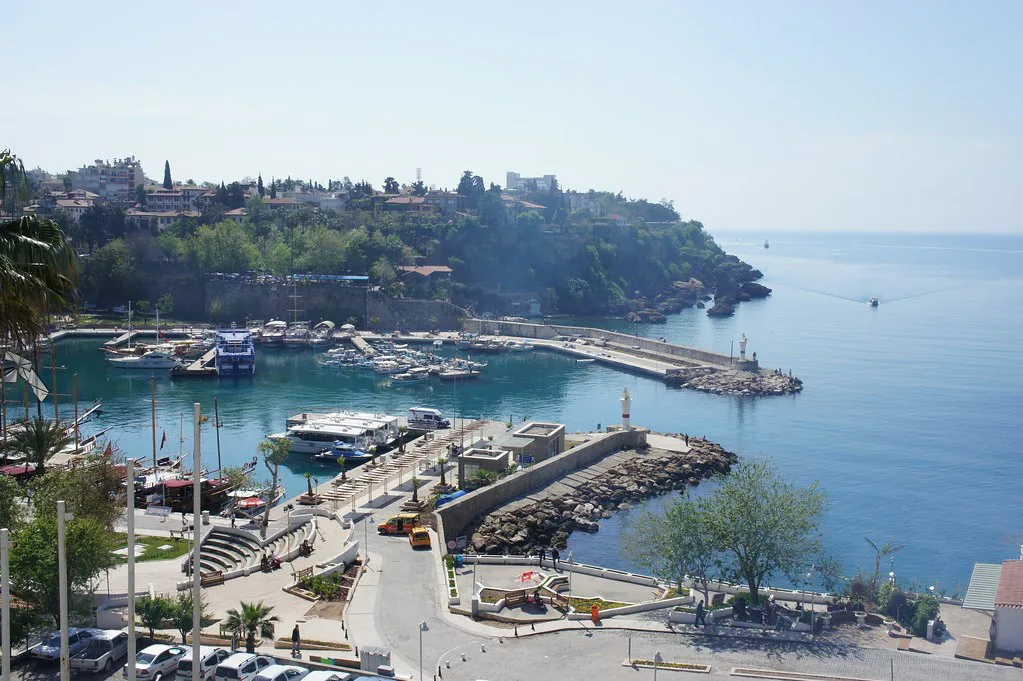
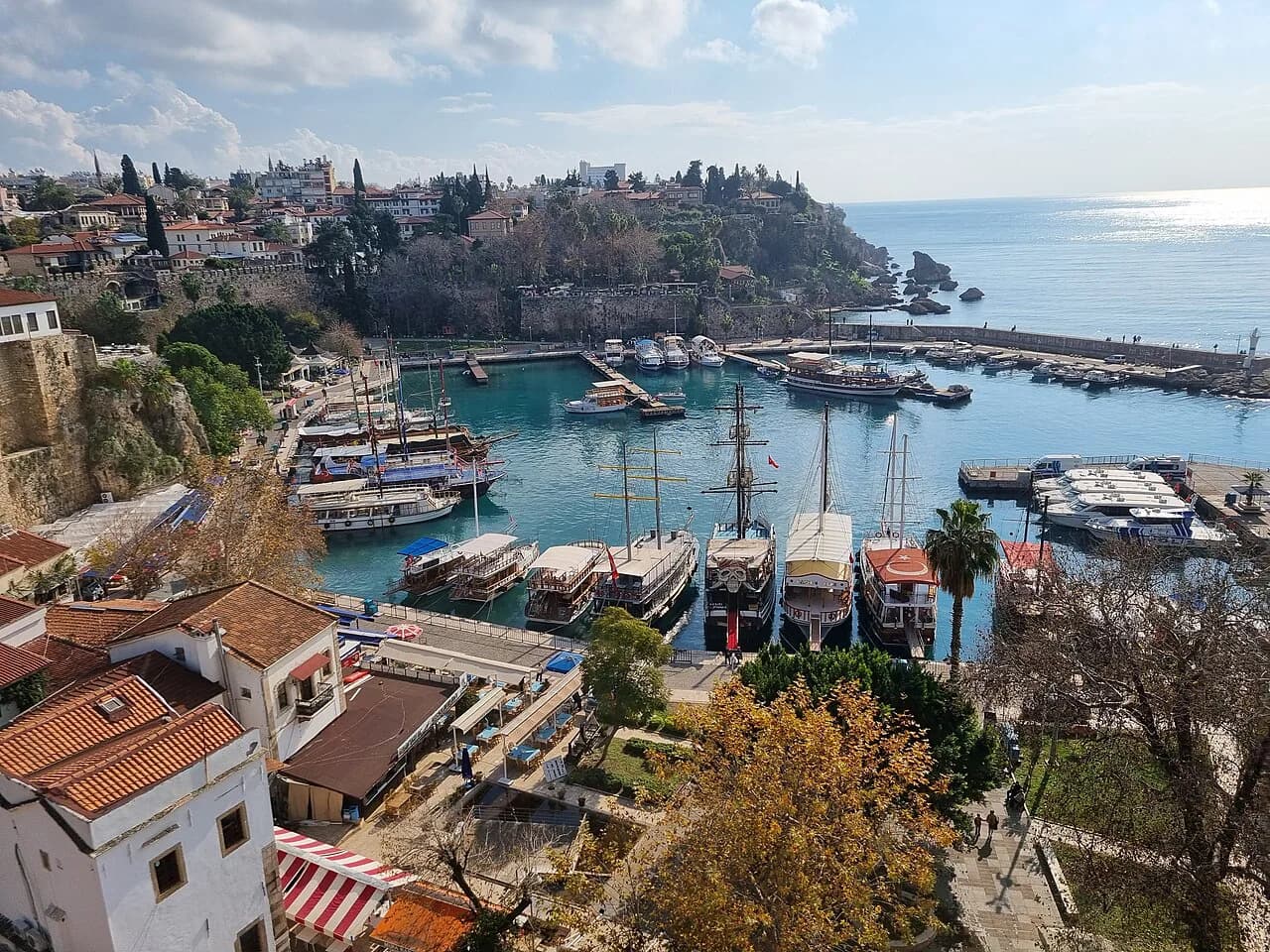
You can combine the covered bazaar and the marina in one walk: start at the clock tower, work through the bazaar, then follow the street down to the harbour, where boutiques sell clothes and souvenirs. From the old town, Hadrian's Gate is within walking distance, and Atatürk Street with its jewellery and leather shops is close by. A sensible plan is to shop in the morning, break for lunch in Kaleiçi, and use the afternoon for the old town's lanes. If you want to keep costs down, use the tram between the centre and Konyaaltı rather than a taxi. The Antalya Tram Guide and Antalya harbour notes will help you plan the route, and the Antalya Cliffs area is worth a detour for the view. You can check the full picture in the guide to the Antalya harbour.
Which Antalya shopping day suits you?
For atmosphere and souvenirs, go to the covered bazaar by the clock tower and the lanes of Kaleiçi, where bargaining is part of the ritual. For cheap clothes and a local crowd, check the Konyaaltı street markets on their fixed days, or the Wednesday Bazaar in the centre. For a hot afternoon, a late evening or a rainy day, Mark Antalya, Terra City and Özdilek Park give you air-conditioned choice, fixed prices and easy access by tram or taxi from the centre.
Sources
Notes for your next Turkey trip
Optional updates when we add or correct a town guide.
You might also like
Continue reading
More guides you'll find useful