Telmessos Fethiye Guide: Lycian Rock Tombs & Ancient City
Telmessos is the ancient Lycian city beneath modern Fethiye, known for its cliff-cut rock tombs including the Amyntas tomb. Here is what survives and how to see it.
On this page
Telmessos is the ancient Lycian city beneath modern Fethiye, and its rock tombs are the main surviving draw. Below the cliff you also get a Roman-period theatre once converted into an arena, a few sarcophagi and the ruins of a medieval castle on the southern side of the city.
Treat the site as a stop within a Fethiye day rather than a fenced archaeological park with a single entrance and ticket desk. The tombs sit above the town, the theatre and castle remains are separate pieces of the same ancient city, and most visitors see them in a couple of hours around the harbour.
What Telmessos is and where it sits in Fethiye
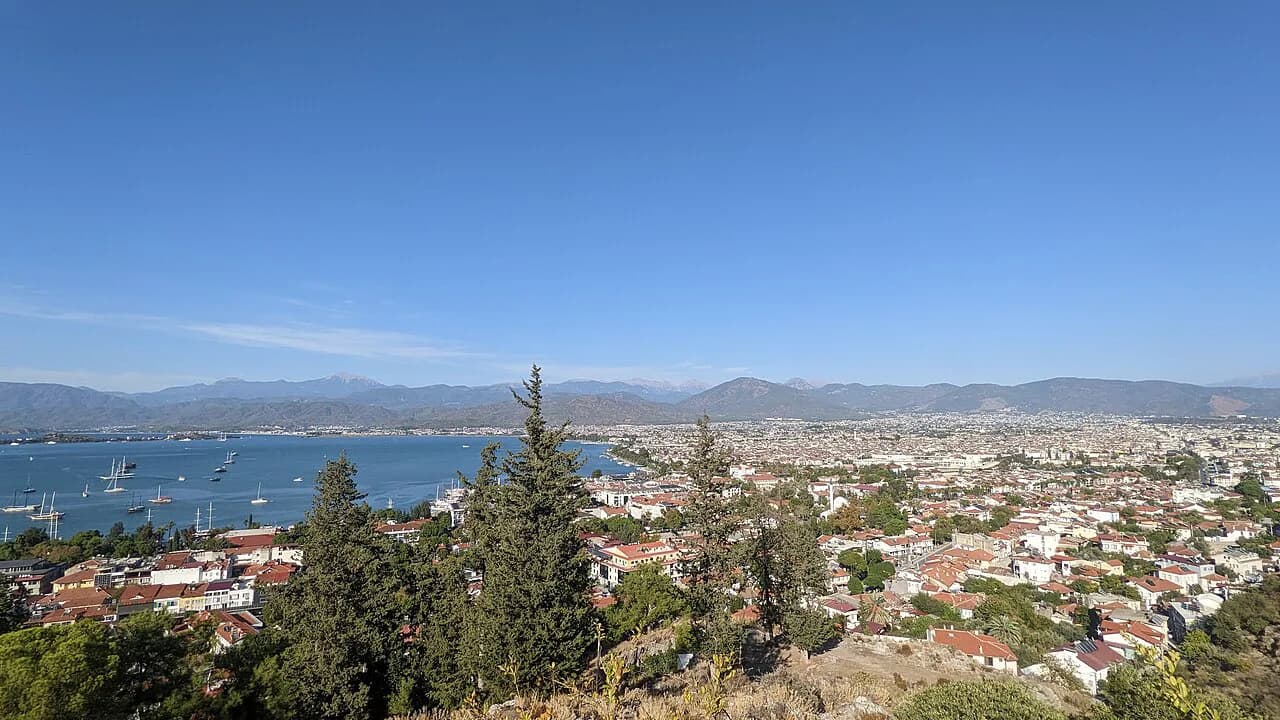
Telmessos was a settlement in Lycia, in what is now Muğla province, and it lies directly under the modern town of Fethiye. Fethiye's older centre, with its harbour and Paspatur lanes, sits on and around the ancient site. The city is recorded as a Classical to Medieval settlement, which explains why you are looking at tombs, a theatre and a castle rather than one neat ruin field.
Most of Telmessos has gone, destroyed over time by earthquakes and political upheaval. What remains is a small group of monuments: the rock tombs and a few sarcophagi, the theatre, and the castle ruins. Knowing this in advance stops the visit feeling like a disappointment and makes the tombs the obvious priority.
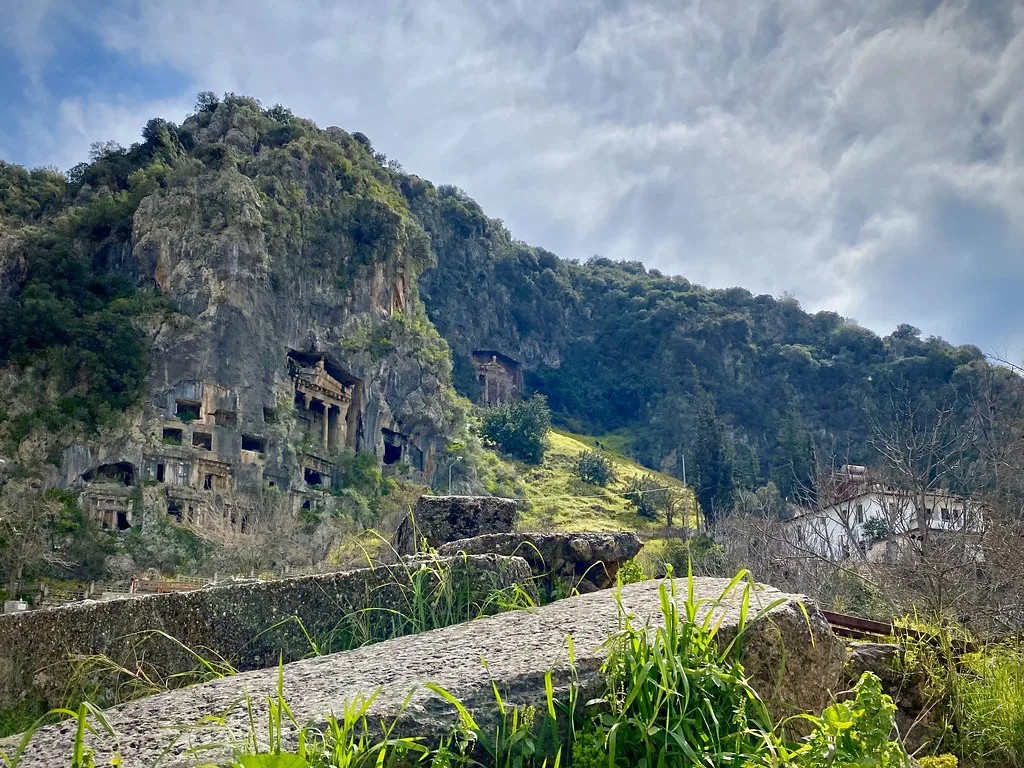
The rock tombs: the Amyntas tomb and the temple-fronted tombs on the eastern slope
The most important tomb is the one known as the Amyntas tomb, cut into the cliff above Fethiye with an Ionic temple front. Close to that tomb there is a further group of rock tombs, two of which also carry a temple facade. These are the monuments to head for first, and they are the reason the Fethiye cliffs read as an ancient site rather than a scenic backdrop.
For the wider picture of how these tombs fit Lycian burial practice across the coast, the Lycian tombs guide covers the cliff-cut house tombs, sarcophagi and temple-fronted examples you meet from Dalyan to Kaş. It helps to read it before you climb, because on site the tombs come without much on-site explanation.
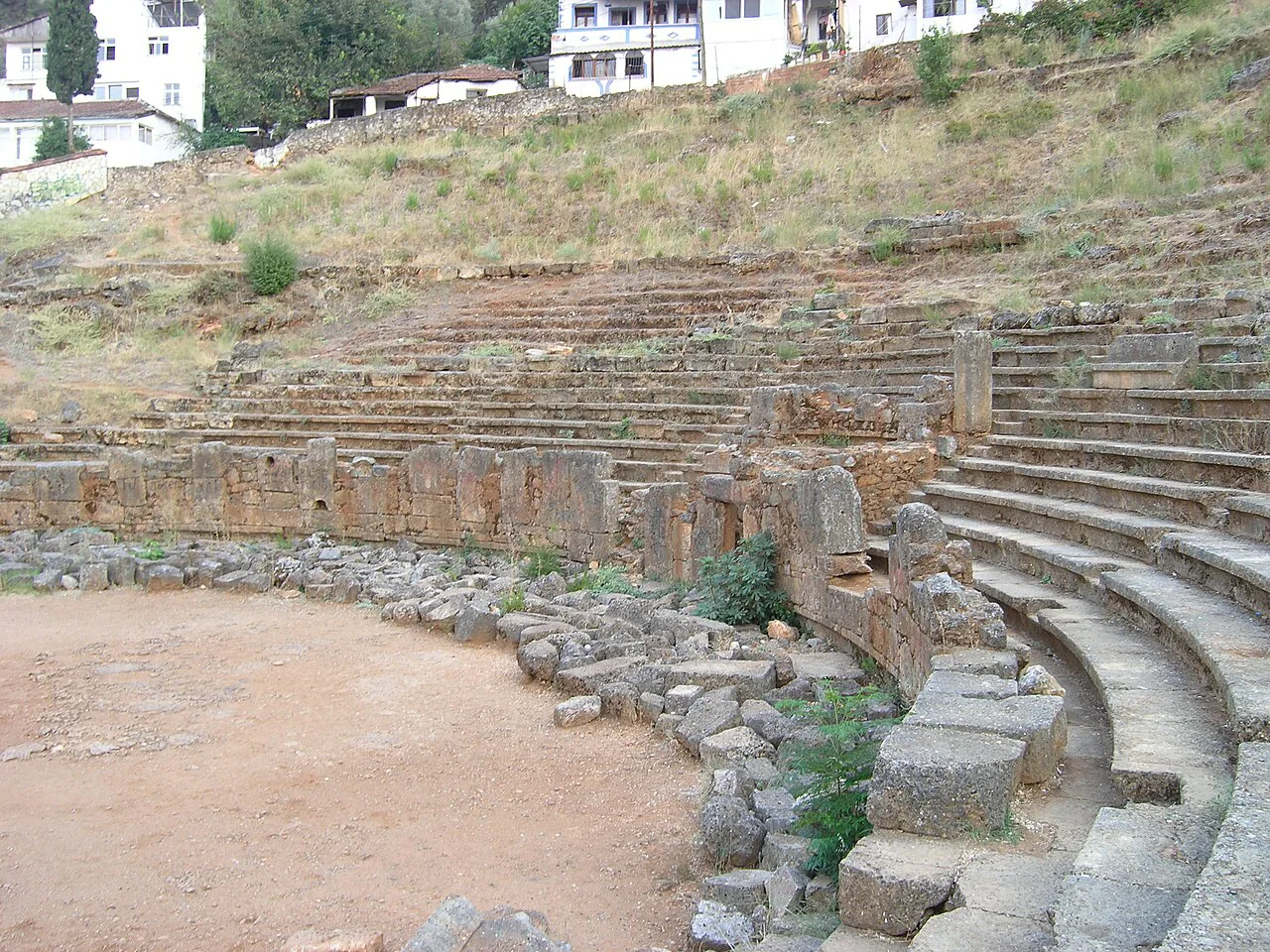
What else survives: the Roman-period theatre turned arena
Despite reflecting Hellenistic features, the ancient theatre at Telmessos belongs to the Roman period, and in the 3rd or 4th century AD it was turned into an arena. That conversion is the detail worth knowing: what you see is a Roman theatre with a later, harder-edged chapter. A second theatre referred to in the sources has not survived and is thought to have been lost to a natural disaster such as an earthquake.
The theatre is a smaller stop than the tombs rather than a destination in itself. Look at the seating and the transformed ground level rather than expecting a full stage building. If the light is flat or the site is busy, the tombs above are the better use of your time.
The medieval castle remains on the southern side of the city
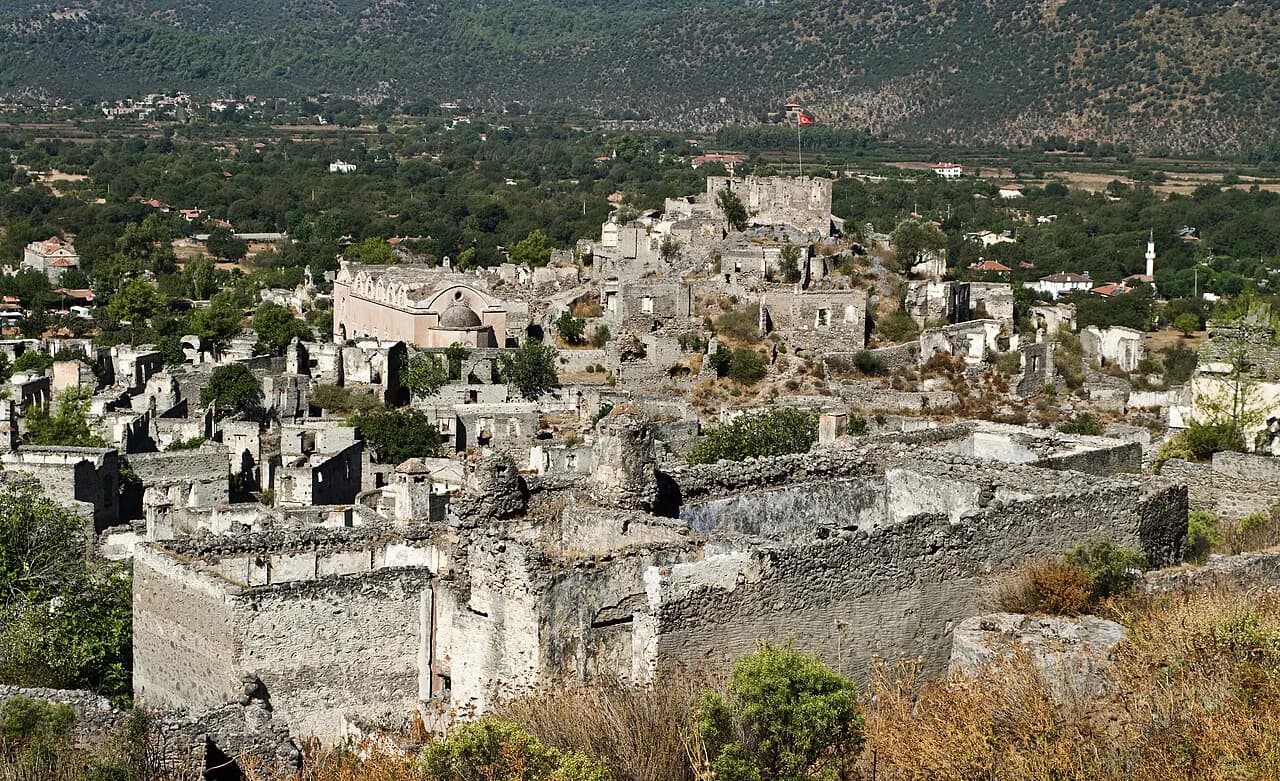
Ruins of a castle built in the Middle Ages stand on the southern side of the old city. There is no evidence that the castle was settled, and it is thought to have been built for defence. Expect fragmentary walls rather than a reconstructed fortress, and read it as the third layer of Telmessos after the Lycian tombs and the Roman theatre.
The sarcophagi and scattered ruins
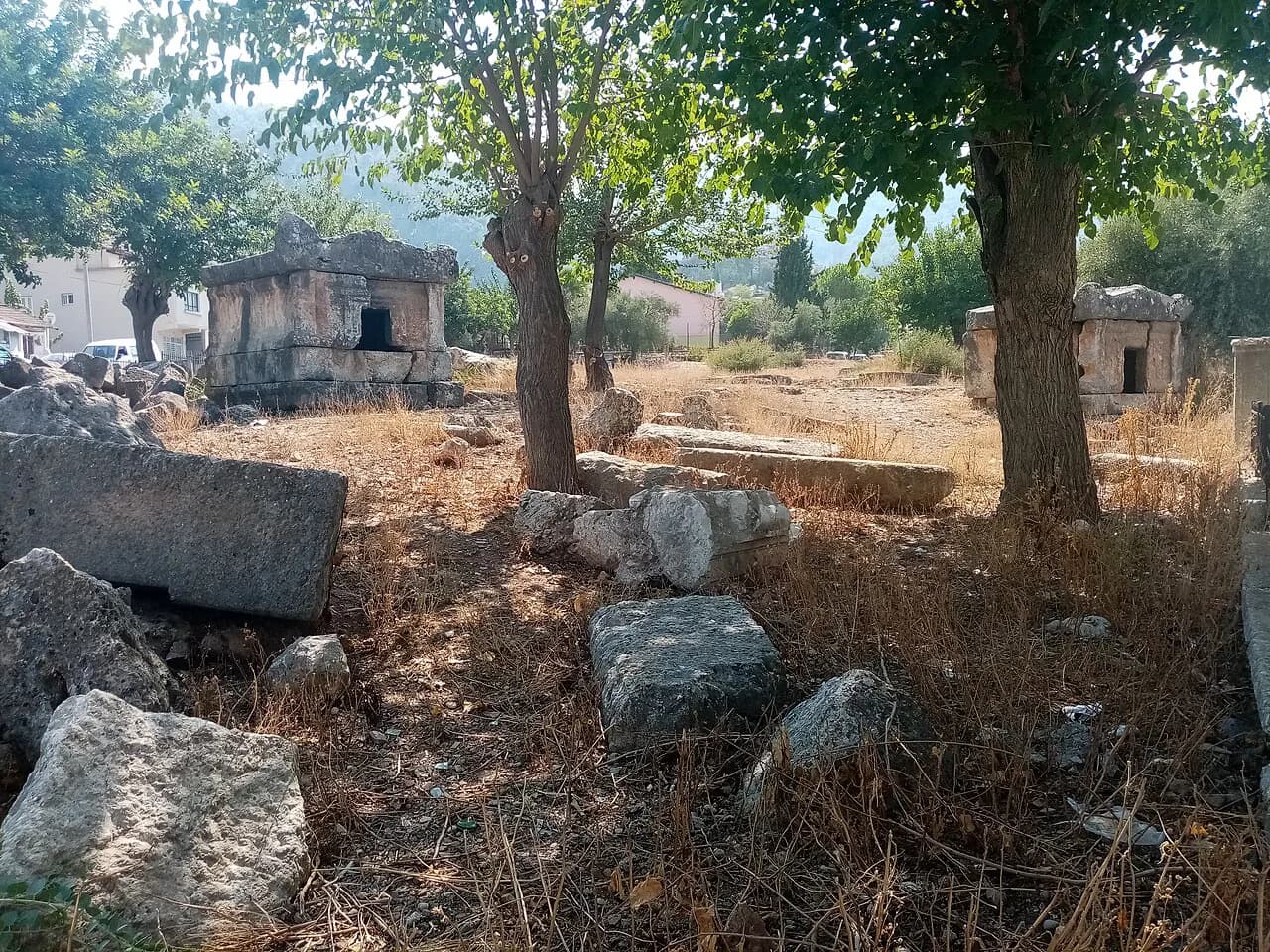
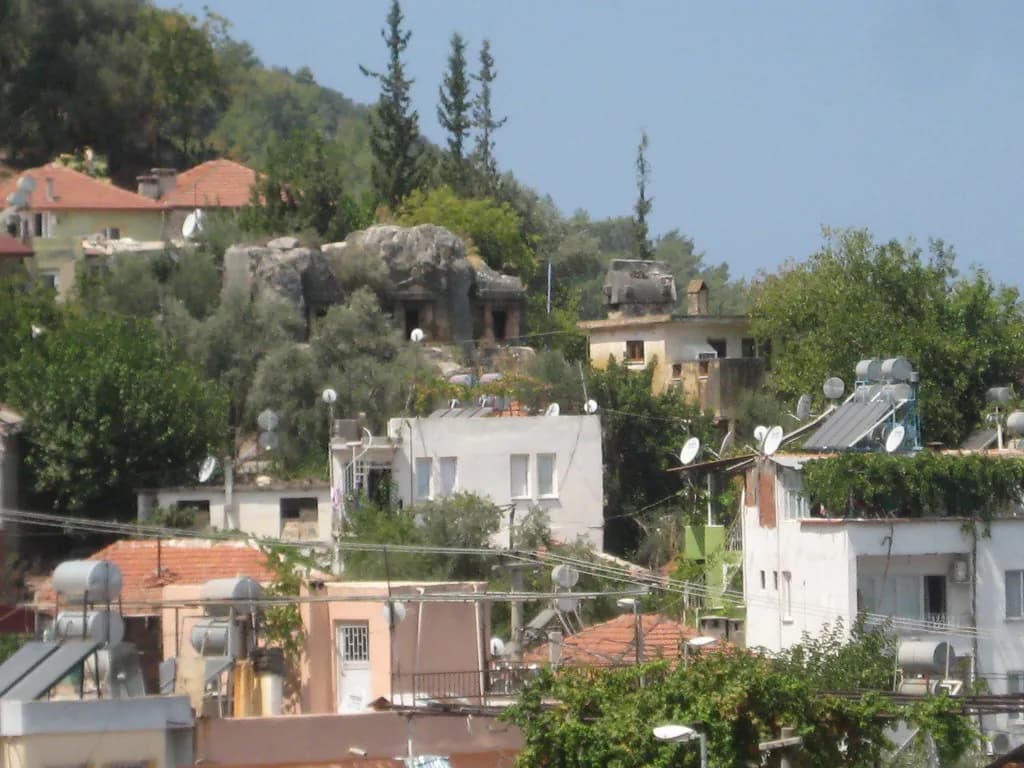
Beyond the headline monuments, only a few sarcophagi and scattered fragments survive from Telmessos. These pieces are easy to walk past because they sit among ordinary streets and buildings rather than in a cleared park. Keep an eye out for carved stone slabs and sarcophagus lids as you move around the town.
Fethiye anchors the western end of the Lycian coast, which makes it a natural base for a run of ancient sites to the south and east. If you are stringing several together, the Lycian Coast overview helps you order them by travel time rather than by reputation.
How to reach the tombs on foot from Fethiye centre
The tombs sit in the town itself, so the practical approach is on foot from the centre, following the cliff above the streets behind the harbour. Signage for the Amyntas tomb is the landmark to look for. Wear shoes with grip, because the approach is a slope with steps rather than a flat promenade.
If you are staying out at Ölüdeniz or Hisarönü, a hotel on that side of the bay puts a minibus to Fethiye or Ölüdeniz on the doorstep, which local operators describe as running frequently through the day. Confirm the current timetable with your accommodation rather than relying on memory. The journey in from Hisarönü to Fethiye runs across several kilometres, so plan the tombs for a half day rather than a quick stop.
How long the visit takes and what to combine it with in Fethiye
Give the tombs and the theatre an unhurried morning, then use the afternoon for the rest of Fethiye. The harbour, the Paspatur lanes and the market streets are all within walking distance of the cliff. If you want a second ancient site on the same day, Tlos is the Lycian counterpart, with its own rock-cut tombs and acropolis above a valley.
For a break from the heat, Saklıkent Gorge is the usual escape inland from Fethiye, and a jeep tour or shared minibus is the standard way to reach it. Do not try to pair the gorge with the tombs on foot. Keep the two on separate days and the walking in Fethiye stays pleasant.
Tickets, opening hours and Müzekart: what to confirm before you go
Ticket prices, opening hours and Müzekart validity for the Telmessos tombs are not fixed here, because they change from season to season. Check the official Turkish museum and site pages, or the ticket desk in Fethiye, before you set out, and carry the exact amount in Turkish lira in case the card reader is down. If you are relying on a Müzekart, confirm at the gate that it covers this site.
Is the Telmessos rock tombs detour worth it?
Yes, if you are in Fethiye anyway. The tombs are the surviving heart of Telmessos, the Amyntas tomb and the temple-fronted group above it are the reason to come, and the theatre and castle remains round out the picture on the same slope.
Build the visit around the tombs, add the theatre if time allows, and check the current ticket and hours at the gate on the day. If you want the wider coastline in the same trip, the Turquoise Coast guide covers the resort towns between Fethiye and Antalya.
Explore more Fethiye guides
Frequently Asked Questions
Are the Fethiye rock tombs the same as Telmessos?
Yes. The cliff tombs above Fethiye are cut into the ancient city of Telmessos, and the Amyntas tomb and the temple-fronted tombs on the eastern slope are the main surviving monuments. The theatre and castle remains belong to the same city, so the rock tombs and Telmessos are one site, not two.
How old are the Fethiye rock tombs?
The tombs are rock-cut Lycian monuments, one of the few sets of remains to survive at Telmessos alongside a few sarcophagi. The theatre below is Roman despite its Hellenistic features, and it was turned into an arena in the 3rd or 4th century AD, which gives you a sense of the site's very long use.
Is entry to the Telmessos rock tombs free?
Ticket prices and opening hours for the tombs are not given here, because they change with the season and Müzekart arrangements. Check the official Turkish museum and site pages, or the ticket desk in Fethiye, before you go, and confirm whether a Müzekart is accepted at the gate.
Sources
Notes for your next Turkey trip
Optional updates when we add or correct a town guide.
You might also like
Continue reading
More guides you'll find useful