Whirling Dervishes in Turkey: Sema Ceremonies Explained
The whirling dervish Sema is a Mevlevi Sufi ceremony with live ney music and spinning dervishes. Here is what happens and how to see one in Turkey.
On this page
A whirling dervish ceremony is the Mevlevi Sema, a Sufi ritual rooted in the teaching of Mevlana Celaleddin-i Rumi, and it is performed as worship rather than as a show. Expect an opening prayer, live ney and Sufi music, and long passages of slow turning. This guide breaks down what happens in the hall, what the dervishes wear, how long a session lasts and where to see one, with Istanbul and Cappadocia treated separately because the setting and the practicalities differ.
The practical side matters as much as the symbolism: session days, start times, group sizes and cancellation windows vary by venue, and a religious ceremony asks more of you as an audience than a concert does. The sections below set out what to check before booking and how to behave once you are seated.
What the Mevlevi Sema is and how Rumi fits in
The Sema is the formal ceremony of the Mevlevi order, and its whirling is part of a structured ritual rather than a dance routine. It draws on the inspiration of Mevlana Celaleddin-i Rumi, the thirteenth-century Sufi figure whose teaching sits behind the Mevlevi tradition. Knowing that much changes how you watch: the turning is devotional, so the room stays quiet and the pace is controlled.
The ritual is often described as the devran dhikr, a form of remembrance performed with the body as well as the voice. That places it within Sufi practice generally and the Mevlevi path specifically, which is why venues present it as a sacred ceremony rather than evening entertainment.
What happens during the ceremony, from the opening prayer to the whirling
The ritual opens with the Naat-ı Şerif, a prayer of praise that sets the tone before any movement begins. Only after that does the music build and the dervishes begin to turn. Treat the opening minutes as the moment to stop talking, put the phone away and settle into the pace of the hall.
The turning itself is slow and deliberate, arms crossed at the chest at the start and then opened as the dervishes rotate. The effect comes from repetition and restraint, not from spectacle, so the ceremony rewards patience rather than a highlights-reel attention span.
What the dervishes wear and what the turning is for
The tall camel-coloured hats and wide white skirts are the visual signature of the Mevlevi Sema, and the shedding of the black cloak early in the ceremony marks the start of the turning proper. The whirling is understood as a form of spiritual practice, a way of turning towards the divine rather than a performance for applause. Watch the hands as much as the feet: the gestures carry as much of the meaning as the spin.
Because the turning is devotional, an audience that claps mid-ritual or films with a bright screen breaks the atmosphere for everyone. Save applause for the end, if it happens at all, and follow the venue's instructions on when photography is acceptable.
How long a ceremony lasts and how much of it is music
One Istanbul operator publishes a 60-minute session starting at 06:30 PM, running every day except Tuesday and Thursday in season at Alemdar Caddesi No:5 in Fatih. Treat those as that operator's published details rather than a national schedule, and confirm the day and time when you book. The ney and Sufi music run through the ceremony rather than framing it, so a good part of the hour is listening as well as watching.
If the session you are considering runs to a different length or start time, that is normal across venues; check the schedule on the booking page rather than assuming a standard hour. Arrive early enough to be seated before the opening prayer, since walking in once the ritual has begun is disruptive.
Where to see the whirling dervishes in Turkey: Istanbul and Cappadocia
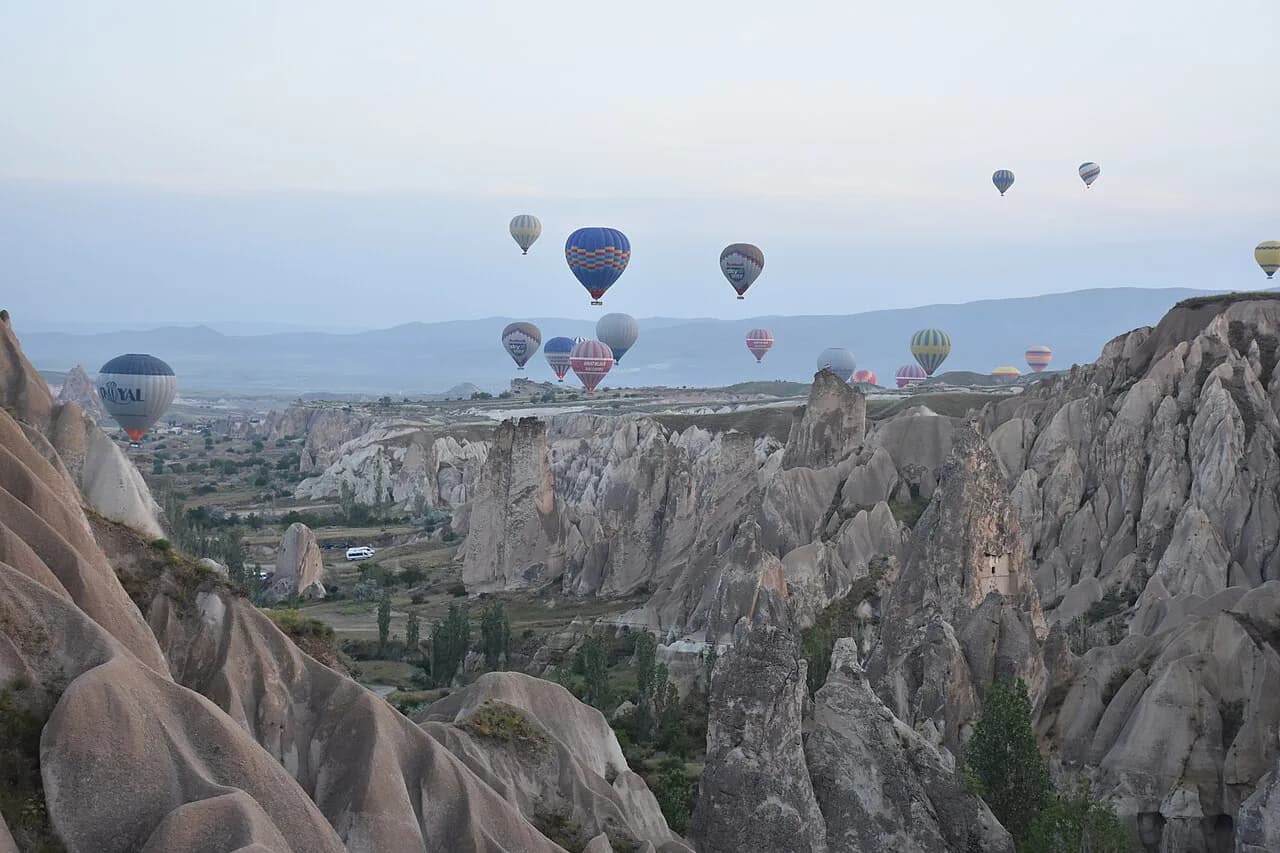
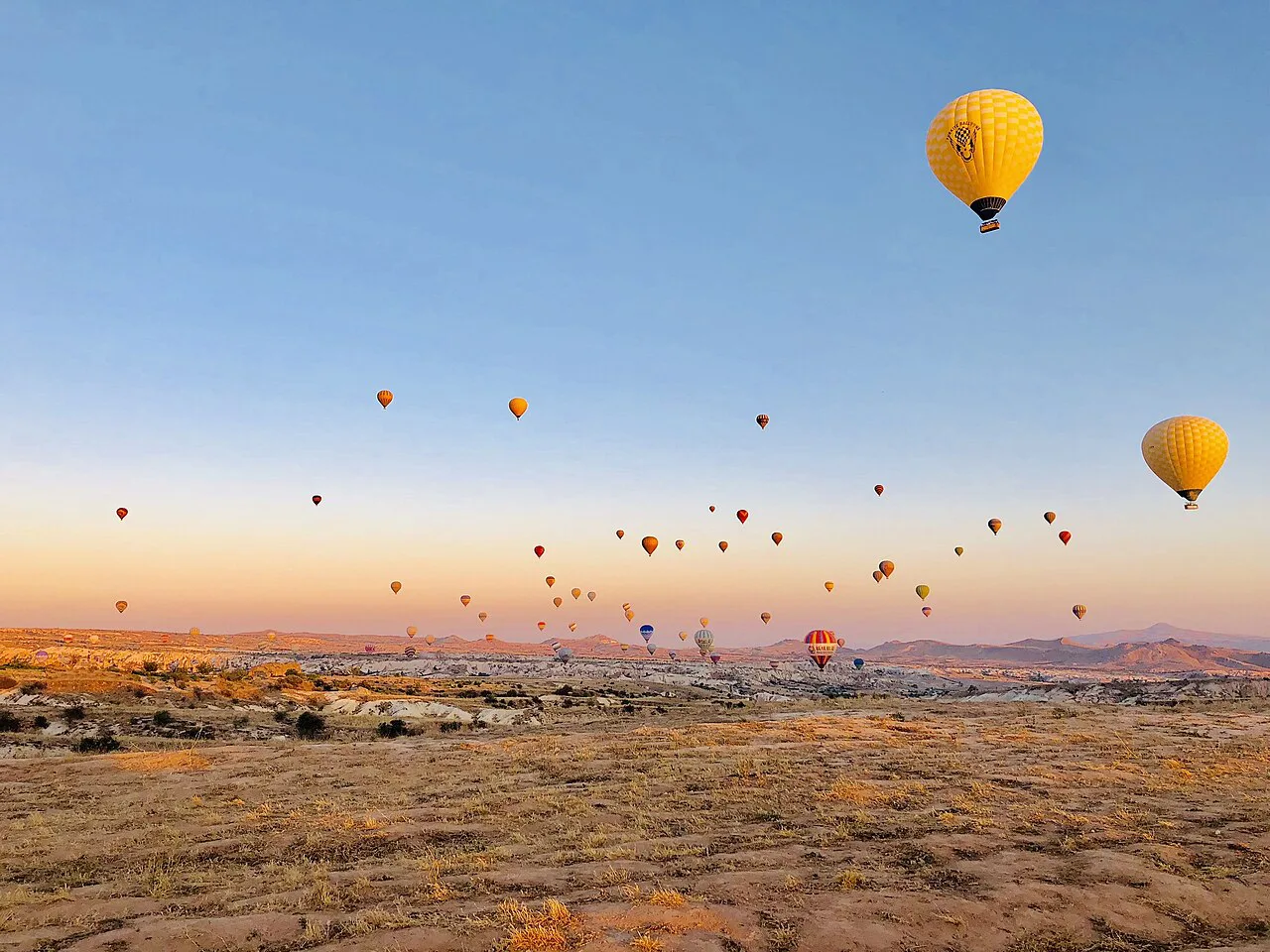
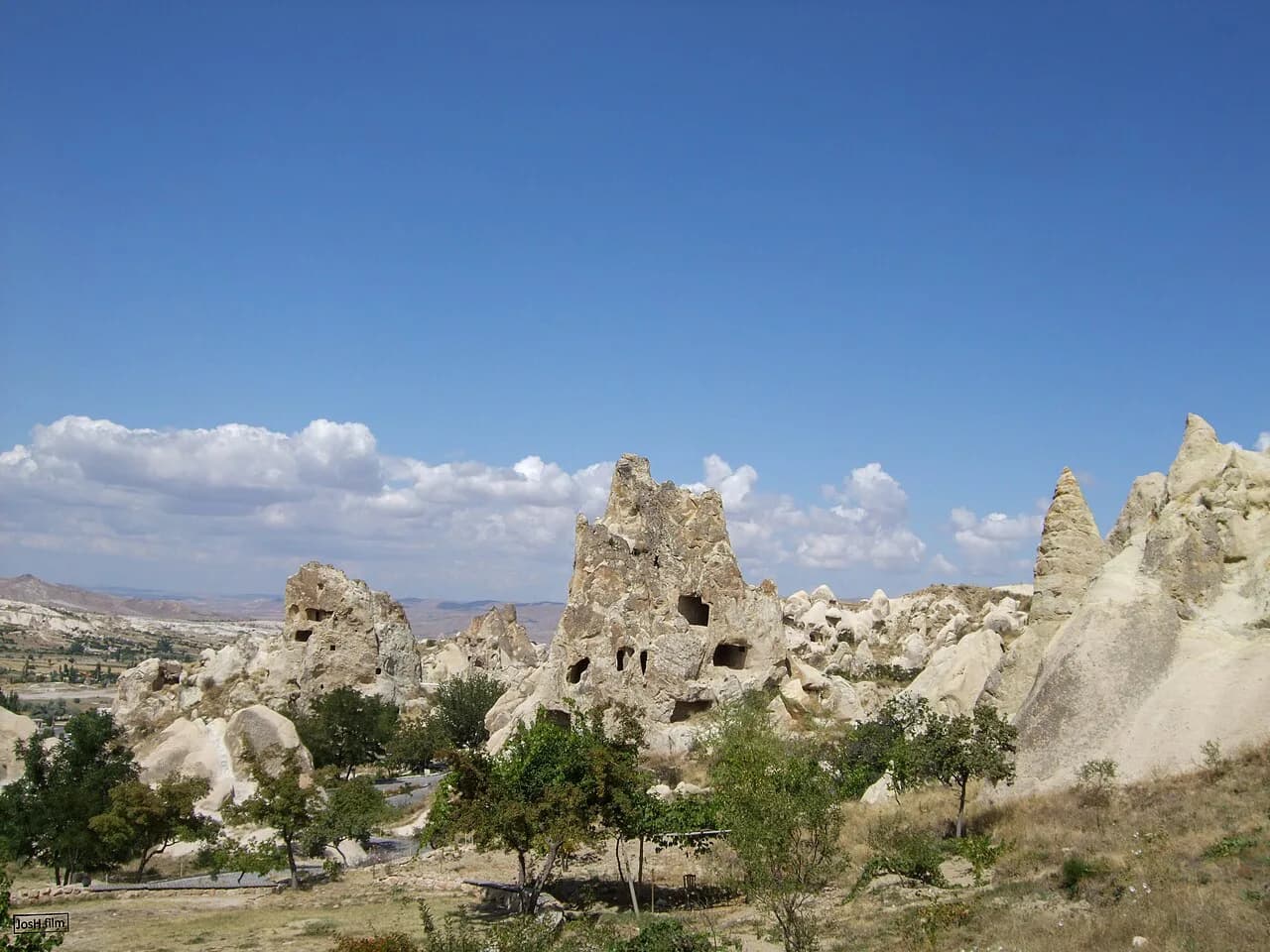
Istanbul has the historic-hall experience, in Fatih close to Sultanahmet, with a fixed address you can navigate to and a published weekly pattern of sessions. Cappadocia has its own ceremonies, which slot more easily into an itinerary built around the valleys and rock-cut churches. Choose by where you are staying: a late session in Istanbul after a day of sightseeing is simple, while in Cappadocia the ceremony fits around the rest of your things to do, including early starts for the balloons and a visit to the Göreme Open Air Museum.
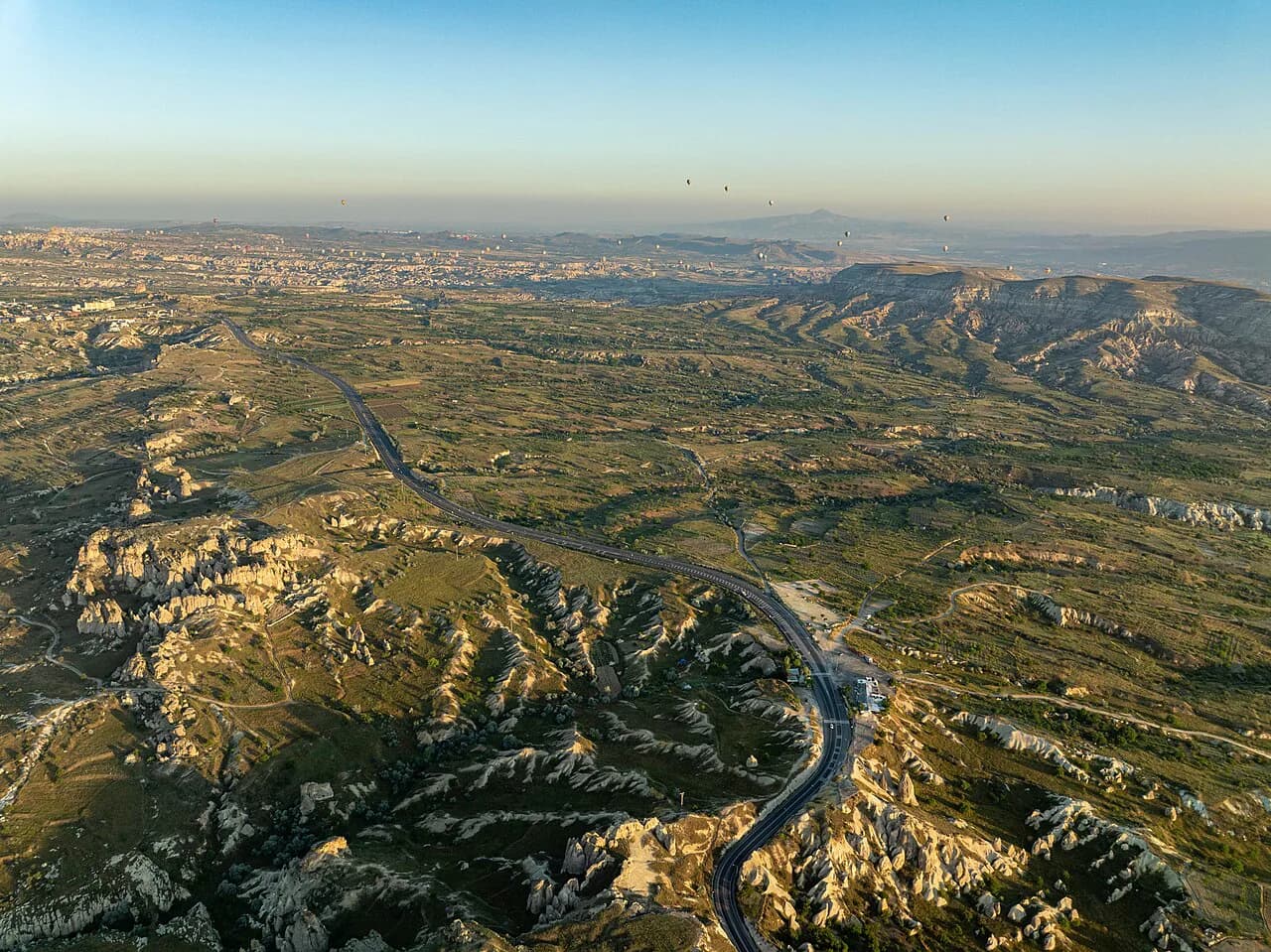
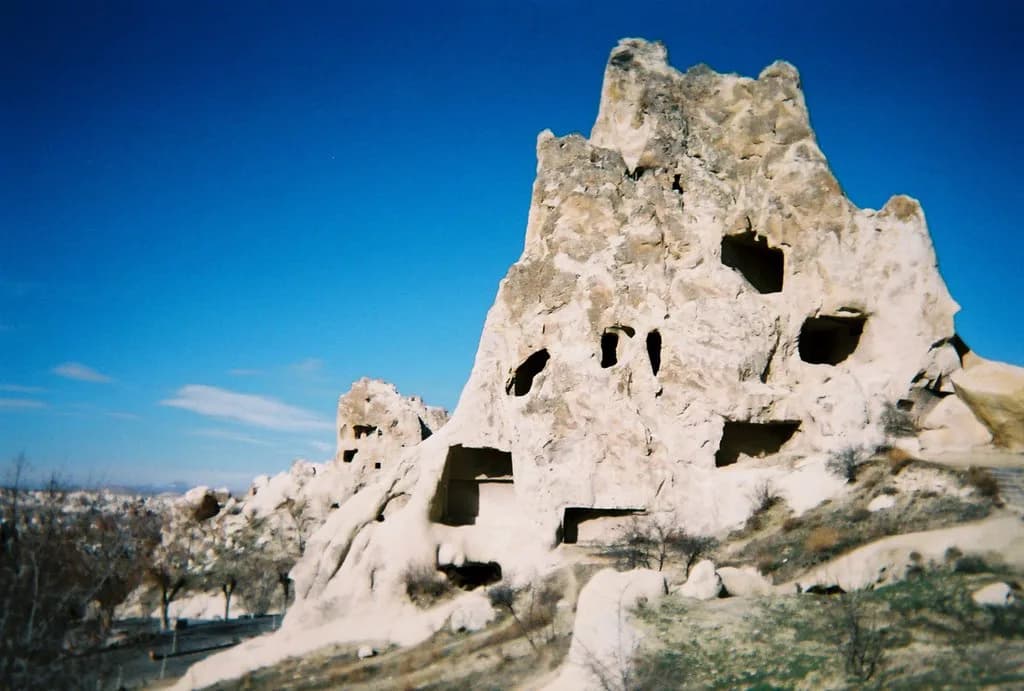
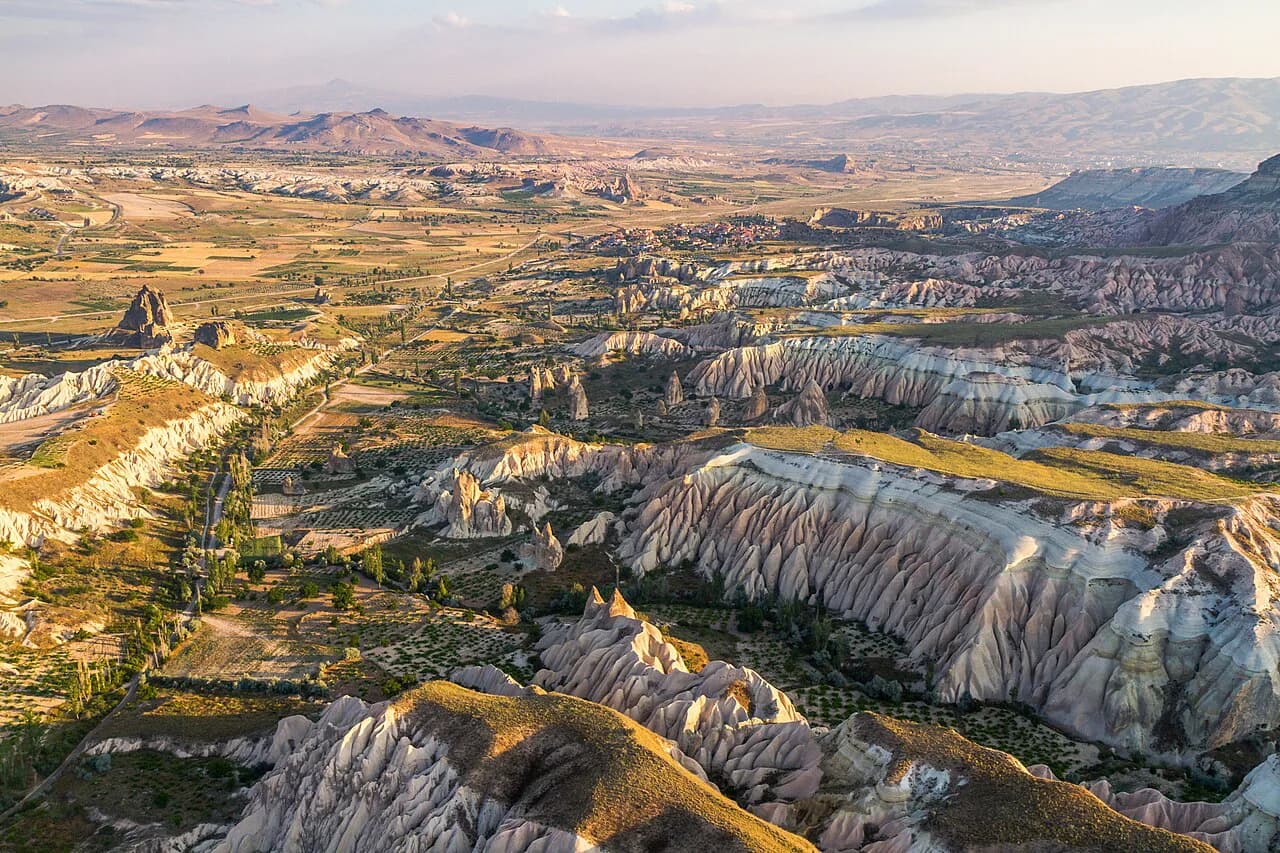
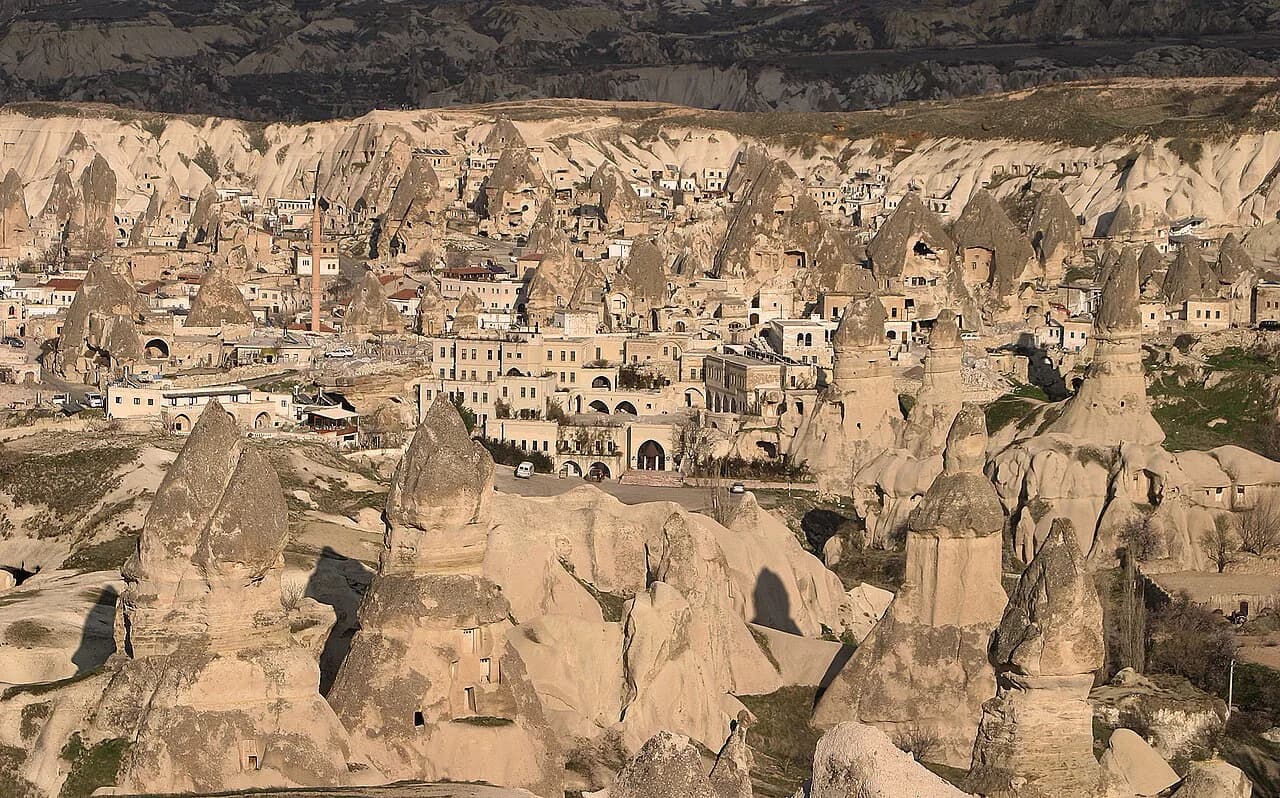
If you are still deciding whether the region justifies the trip, the case for is Cappadocia worth visiting rests on the landscape and the cave settlements as much as on evening entertainment. A ceremony is a good pairing with a day spent in the valleys rather than the reason to come.
What an Istanbul ceremony is like: historic hall setting and group size
The Istanbul ceremony runs in a historic hall in Fatih with a published capacity of up to 300 guests per session, which tells you to expect a crowd rather than an intimate circle. Seating position therefore matters: book early if you want to be close to the floor where the dervishes turn. Whirling Dervish Istanbul also lists a sherbet service and a cultural workshop as part of the experience.
A hall of that size keeps the ticket straightforward to book and easy to reach from Sultanahmet, but it does mean the atmosphere is shared with a few hundred other people. If silence and proximity matter more to you than convenience, ask about smaller sessions elsewhere before committing.
Seeing the whirling dervishes in Cappadocia: how it fits a Göreme or Uçhisar stay
In Cappadocia the ceremony is usually an evening slot in or near Göreme and Uçhisar, which means you can spend the daylight hours in the valleys and still be back for a session. It pairs naturally with a sunset viewpoint stop before you head to the hall, since both sit in the same part of the day. Check the drive time from your base, as the villages are close but the lanes between them are slow after dark.
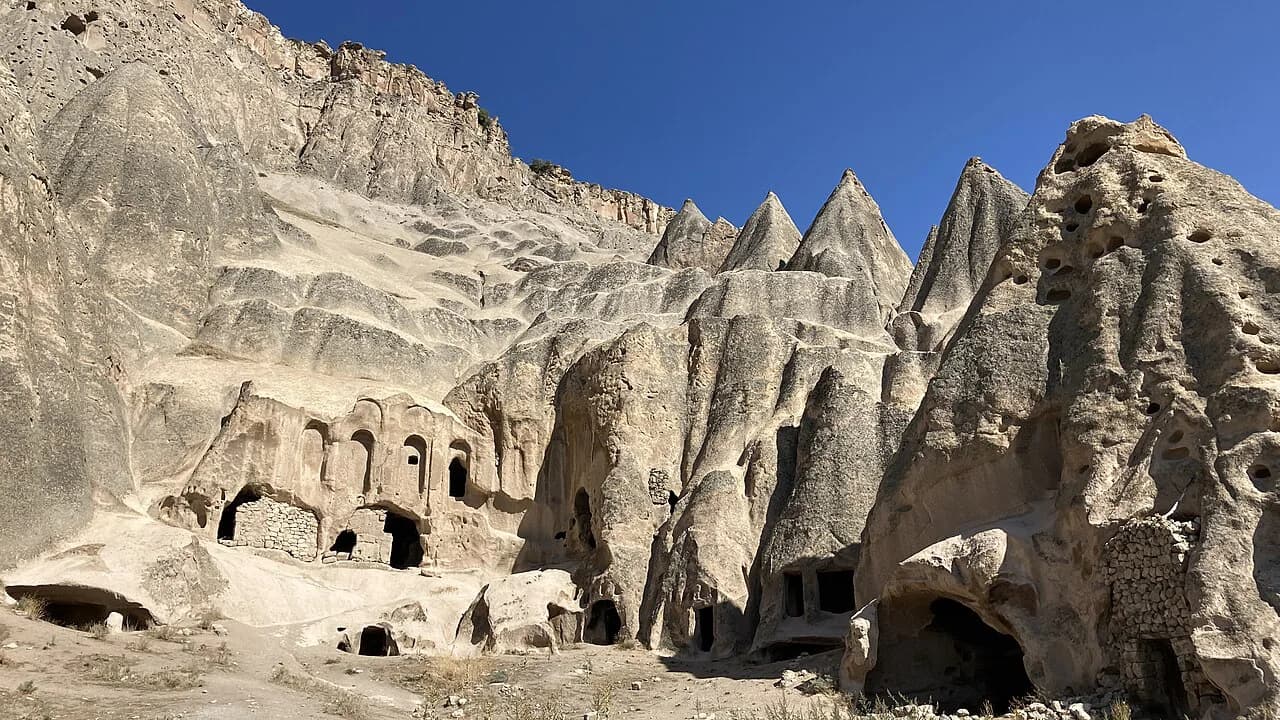
Cappadocia's other sights are daytime affairs, from the painted interiors of the Dark Church to the carved valleys, so a ceremony is best treated as the close of a full day rather than a substitute for one.
The ney and Sufi music that carries the ceremony
The ney, the long reed flute, is the sound most associated with the Sema, and it carries the melodic thread through the turning. The music is not background: it sets the pace of the ritual and gives the dervishes their timing. Sit where you can hear the instruments clearly, and resist the urge to record the whole thing on your phone.
Traditional Ottoman music and Sufi melodies make up the programme, so expect long melodic passages rather than short songs. If you are bringing children or anyone with a short attention span, explain the shape of the evening beforehand.
The cultural workshop element some ceremonies include
The Istanbul operator lists a cultural workshop alongside the ceremony, where the Mevlevi tradition and Rumi's teaching are explained. That is useful if the ritual itself is unfamiliar, because the symbolism of the clothing and the turning lands better with a short introduction. Check whether the workshop is included in your ticket or offered as an add-on.
A workshop also gives you a chance to ask practical questions, such as when photography is allowed and how long the interval lasts, before the ceremony begins.
Booking ahead, session days and cancellation terms
Book ahead rather than turning up: this operator recommends booking at least 48 hours in advance, offers instant confirmation, accepts mobile tickets, and allows free cancellation up to 24 hours before the session. Sessions run every day except Tuesday and Thursday in season, so a Tuesday or Thursday in your itinerary needs a different plan. Confirm the day, start time and cancellation window in writing before you pay.
In Cappadocia, session days and start times are set by whichever venue you choose, so ask before you build an evening around it. If your trip includes an early balloon flight the next morning, a later session is the kinder choice.
Children at a Sema ceremony
Children are welcome at visitor ceremonies, and one operator sells child tickets for ages 7 to 12 separately from adult places. The hall is quiet and the ritual is long, so a child who knows what to expect will cope far better than one who was promised a show. Brief them on the silence and the no-phones rule before you go in.
If your children are younger than the ticketed age range or restless in quiet rooms, consider whether the ceremony suits your evening at all; a shorter daytime alternative may serve everyone better.
Photography and dress: what to expect in the hall
The Istanbul operator publishes a dress code, so check it when you book rather than dressing for a night out and hoping. Photography rules vary by venue, and flash or a bright screen during the turning is the fastest way to annoy the room. Ask at the door what is permitted.
Modest, comfortable clothing is the safe default for a religious setting, so choose something you can sit in quietly for an hour.
Etiquette for a religious ceremony rather than a stage show
Treat the Sema as worship: arrive before the opening prayer, keep talking to a minimum, silence your phone and stay seated until the ritual ends. The turning is a form of dhikr, remembrance, and the room is arranged to support that rather than to flatter an audience. Standing up to take a photo mid-spin is the one thing most likely to spoil it for the people around you.
Applause, if it comes at all, belongs at the end, and many venues prefer none. Follow the staff's cues rather than your instinct to clap.
Is it authentic or put on for visitors?
A visitor ceremony is a real Mevlevi ritual performed for an audience, which is a different thing from a folk-dance show with costumes and a bar. The structure of the Sema, from the opening prayer to the music to the turning, is what defines it, not the ticket desk. Whether a given session feels sincere depends on the room and the performers, so read the published programme before booking rather than judging from photos.
The larger Istanbul halls hold up to 300 guests, which some visitors find less intimate than a small Cappadocia venue. Neither is fake; they simply suit different expectations.
How the Sema compares with other evening things to do
The Sema is a quiet hour, so it sits awkwardly next to a late dinner booking and comfortably after an early one. In Cappadocia it works well as the close of a day that took in the Devrent Valley and a sunset point, leaving the evening free afterwards. Pair it with the daytime sights rather than with other evening entertainment.
If you want to fill the rest of the day, the underground cities such as the Kaymaklı Underground City make a solid half-day outing, with Derinkuyu Underground City as the busier alternative. A Cappadocia map helps you group stops by distance before you commit to an evening session.
Which ceremony should you book?
Book whichever fits your base: an Istanbul hall if you are already in Fatih or Sultanahmet and want a fixed address, a published start time and a clear cancellation window, or a Cappadocia session if you are staying in Göreme or Uçhisar and want the ceremony to close a day in the valleys. In both cases reserve ahead, check the session days and confirm the dress and photography rules in writing.
Reconfirm the day, start time and cancellation terms with the venue close to your date, since these details differ between operators and seasons.
Sources
Notes for your next Turkey trip
Optional updates when we add or correct a town guide.
You might also like
Continue reading
More guides you'll find useful