Aegean Coast of Turkey: Towns, Ruins and Coastline Guide
The Aegean coast of Turkey runs from İzmir to Marmaris. See which towns and ancient sites sit on it and how to link two or three on one trip.
On this page
The Aegean coast of Turkey is the western shoreline that runs from İzmir and the northern Aegean down past Kuşadası, Didim, Bodrum and Marmaris to Dalyan. Go Türkiye lists İzmir, Çeşme, Alaçatı, Kuşadası, Didim, Bodrum and Marmaris among its Aegean destinations, which gives you a working map of the coast.
Treat the coast as three stretches rather than a single resort strip: İzmir and the northern Aegean, the Kuşadası and Didim ports, and the southern run from Bodrum through Marmaris to Dalyan and Fethiye. Each has a different feel, a different set of ruins and a different reason to stop.
Where the Aegean coast starts and ends
The northern end is İzmir, the Aegean's big city and the hinge for Ayvalık, Cunda, Foça, Çeşme and Alaçatı. From there the coast runs south through the port towns of Kuşadası and Didim, then round the Bodrum peninsula.
South of Bodrum the shoreline bends east through Marmaris and İçmeler towards Dalyan and Fethiye. The coast is not one continuous beach: it is a sequence of bays, headlands, harbours and river mouths, and getting between them takes planning rather than a single coastal road.
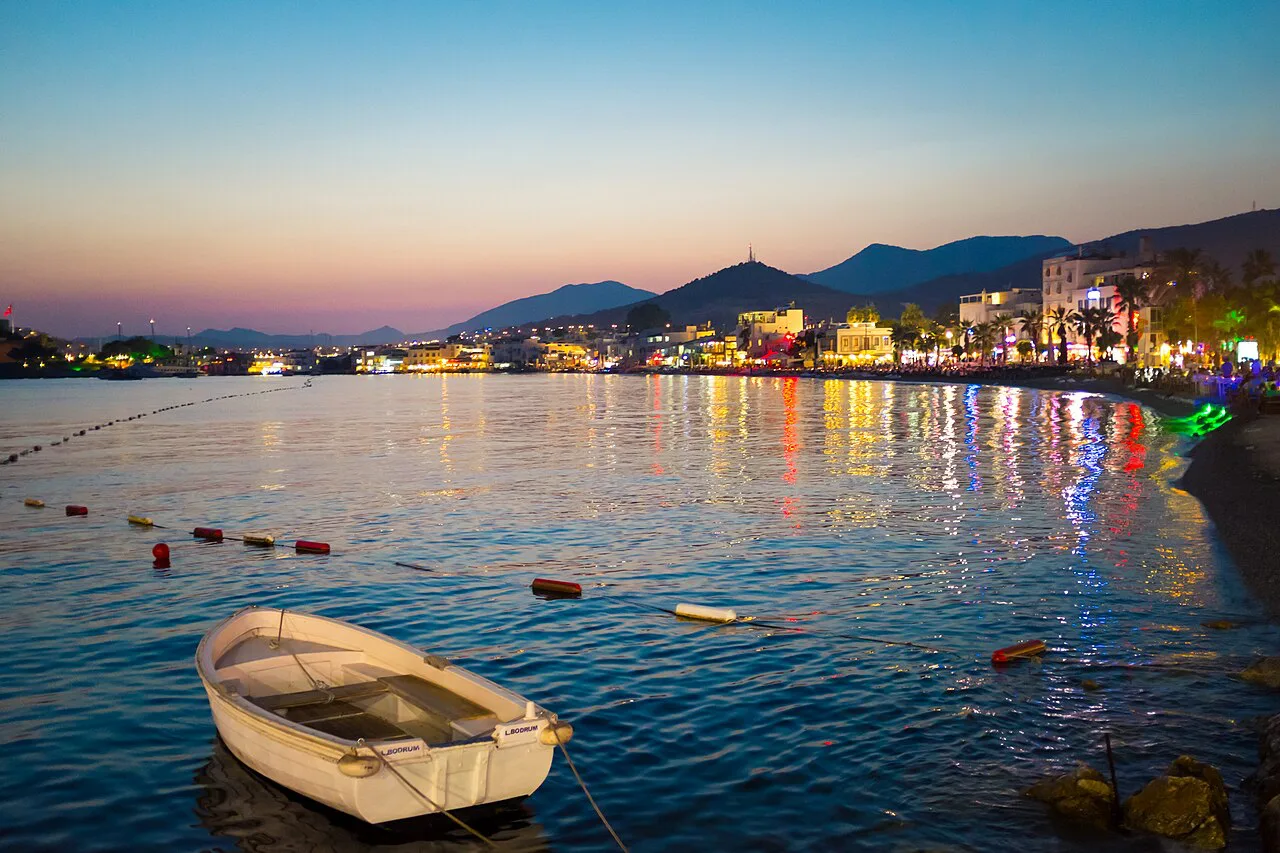
İzmir and the northern Aegean: Ayvalık, Cunda, Foça, Çeşme and Alaçatı
The northern Aegean around İzmir draws mostly Turkish visitors, so the towns have adapted less to British and European holiday habits than the resorts further south. Cunda, linked by causeway to Ayvalık, has a Greek-island look, chic cafés and speciality food shops but no beach, which makes it a place for a couple of days of pottering rather than a week.
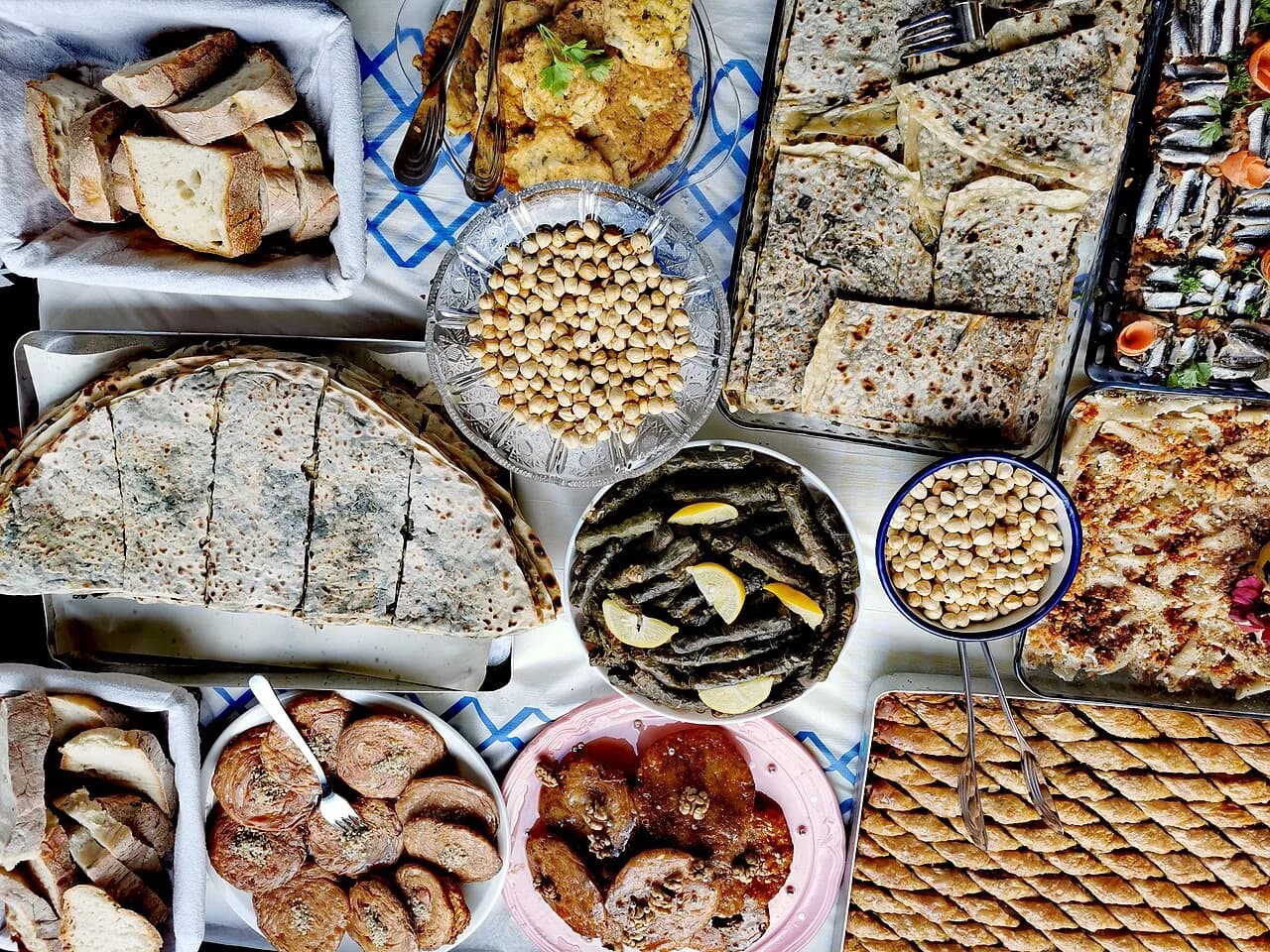
Alaçatı, a former Greek fishing village set slightly inland, is the food town of the stretch, with roughly 200 restaurants and a food festival each March. It sits about ten minutes by car or dolmuş from the small resort of Ilıca and its sandy beach, and around 15 minutes from Çeşme, a busier resort town with a long seafront promenade and a castle.
Foça and Ayvalık fill out the northern picture: Ayvalık is the mainland town for Cunda, with antique shops and old bakeries such as the Kahramanlar bakery, while Foça keeps a harbour-town scale that suits a slow afternoon. Plan this stretch for wandering, meze and markets rather than for a beach base, and use it as a soft landing into Turkish villages and small-town routines before the resorts begin.
Kuşadası and Didim: two port towns as bases
Kuşadası and Didim both work as bases rather than destinations in themselves, and both appear on the national tourism list of Aegean destinations. Kuşadası is the practical gateway for Ephesus, the ancient city that anchors the whole region's ruins.
Didim sits further south on the same stretch and works as a low-key alternative to Kuşadası for the same group of sites. If ruins are the point of your trip, this is the stretch to base yourself in for two or three nights and drive or take a dolmuş out from.
Bodrum: castle, marina and market streets
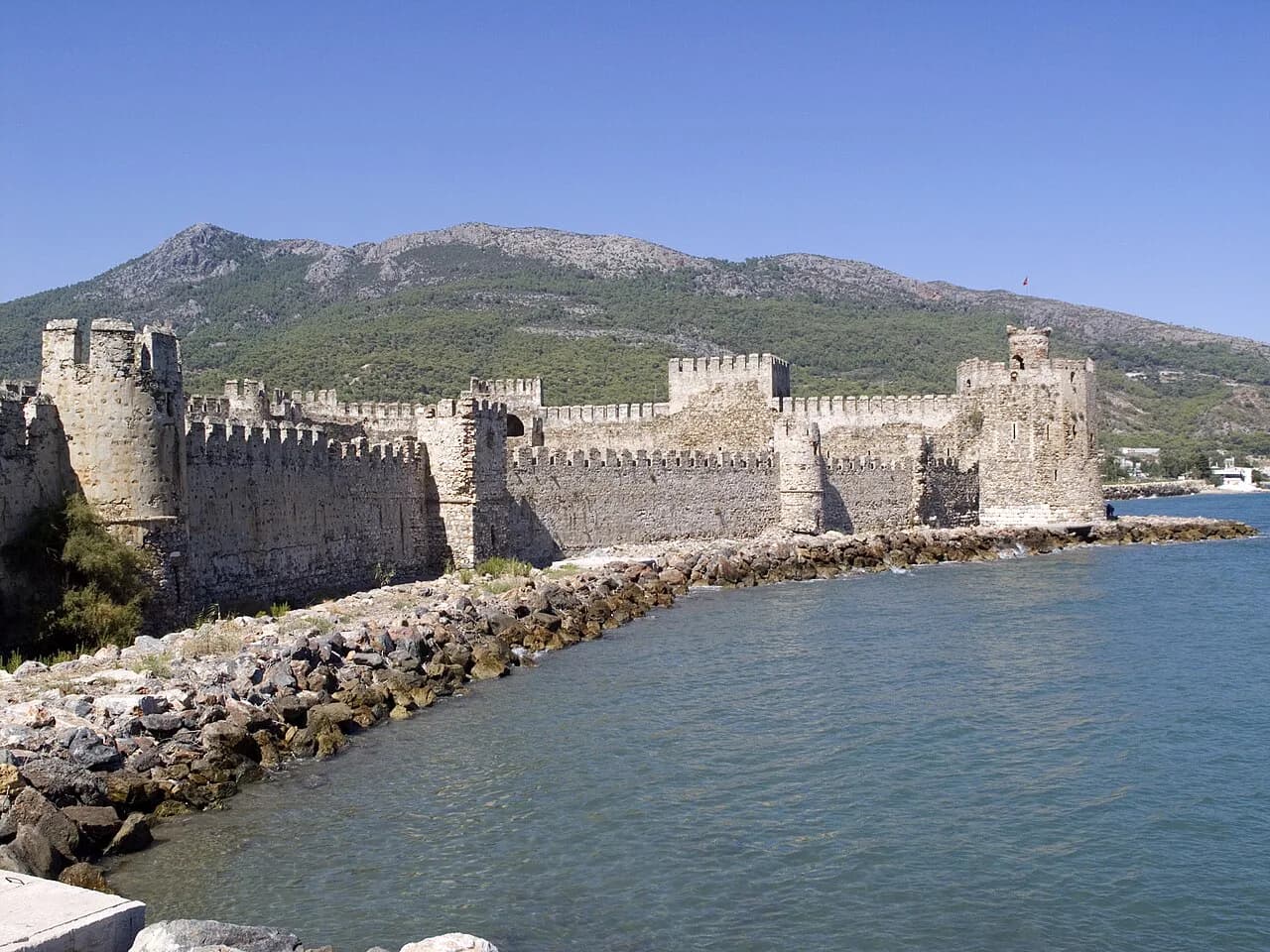
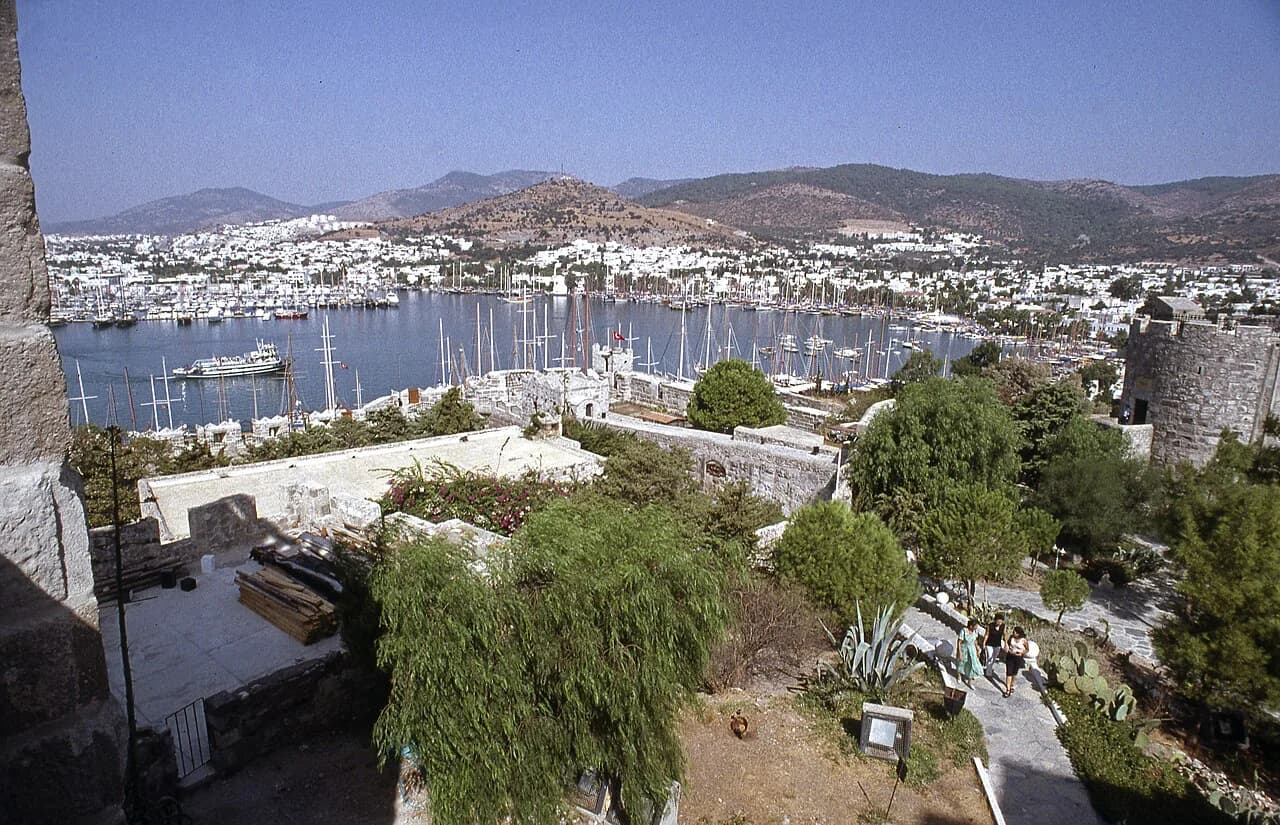
Bodrum is the coast's most rounded town: a castle built by the Knights of St John in the 15th century that now holds the Bodrum Museum of Underwater Archaeology, a busy marina lined with cafés and shops, and an ancient theatre from the 4th century BC that looks out over the town and sea.
The market streets are the other half of Bodrum: produce, spices, textiles and souvenirs in a dense, lively grid behind the waterfront. Give the castle and museum a proper half-day, then use the marina and bazaar for an evening; the town rewards a slower pace than the resort beaches on either side of the peninsula.
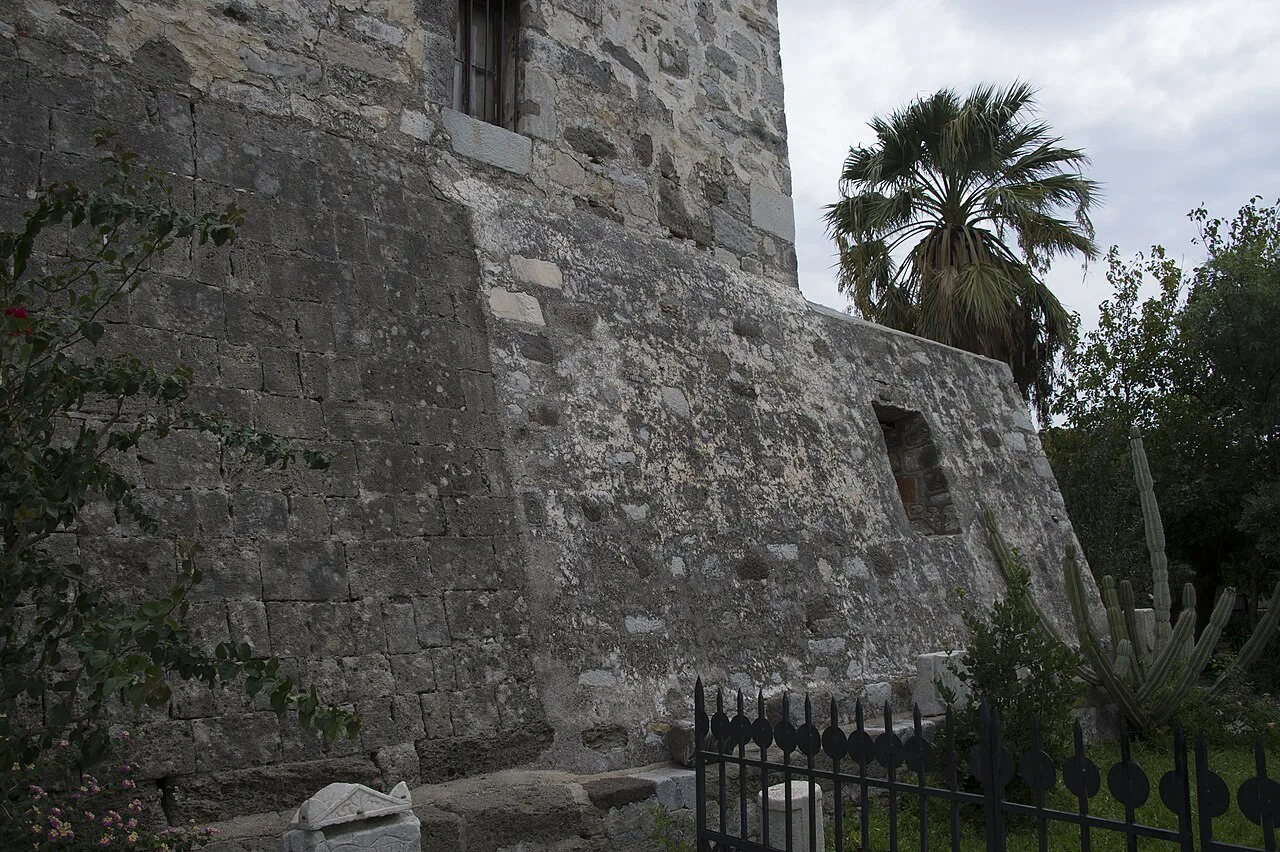
The southern stretch: Marmaris, İçmeler and the run to Dalyan
Marmaris is a full resort town with a harbour, a long seafront and easy access to boat trips, and İçmeler is its quieter neighbour just along the coast. Go Türkiye includes Marmaris among the Aegean's headline destinations, and it works as the southern anchor when you are linking Bodrum to Dalyan.
Dalyan is the contrast: a small town set between the Dalyan River and the Mediterranean, known for river boat trips that pass the Lycian rock tombs carved into the cliffs above the water. The boats also run out to Iztuzu Beach, a loggerhead turtle nesting ground, which makes a river-and-beach day rather than a resort day.
Fethiye, Ölüdeniz and the Lycian rock tombs at Dalyan
Fethiye mixes a working harbour with a museum and easy access to the water, and Ölüdeniz lies just along the coast with its lagoon. Together they make the southern end of the Aegean run, and a trip that starts in İzmir can finish here without doubling back. The adjoining stretch is covered in the Turkish Riviera guide.
The Lycian rock tombs at Dalyan are the coast's most visible ancient monument from the water: cut into the cliff face above the river in the 4th century BC, they are seen from the boat rather than from a ticket gate. Kaunos, the ancient city nearby, has a theatre, a basilica and Roman baths on the same day out.
Ancient sites within reach of the coast
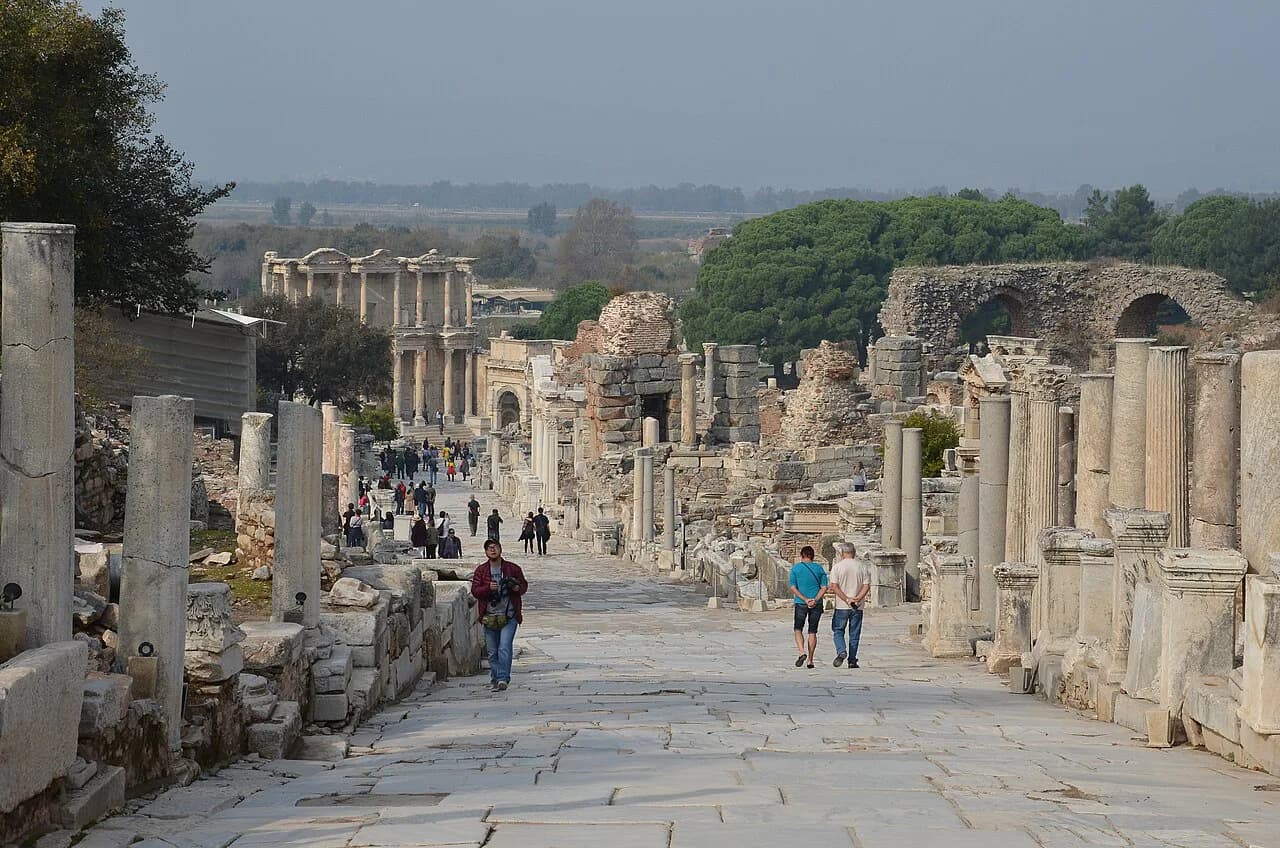
Ephesus is the big one, reached from Kuşadası, and it is where coach-tour crowds concentrate, so an early start matters more here than anywhere else on the coast. The Library of Celsus facade is the image most visitors come for, and the site repays a half-day rather than a rushed hour.
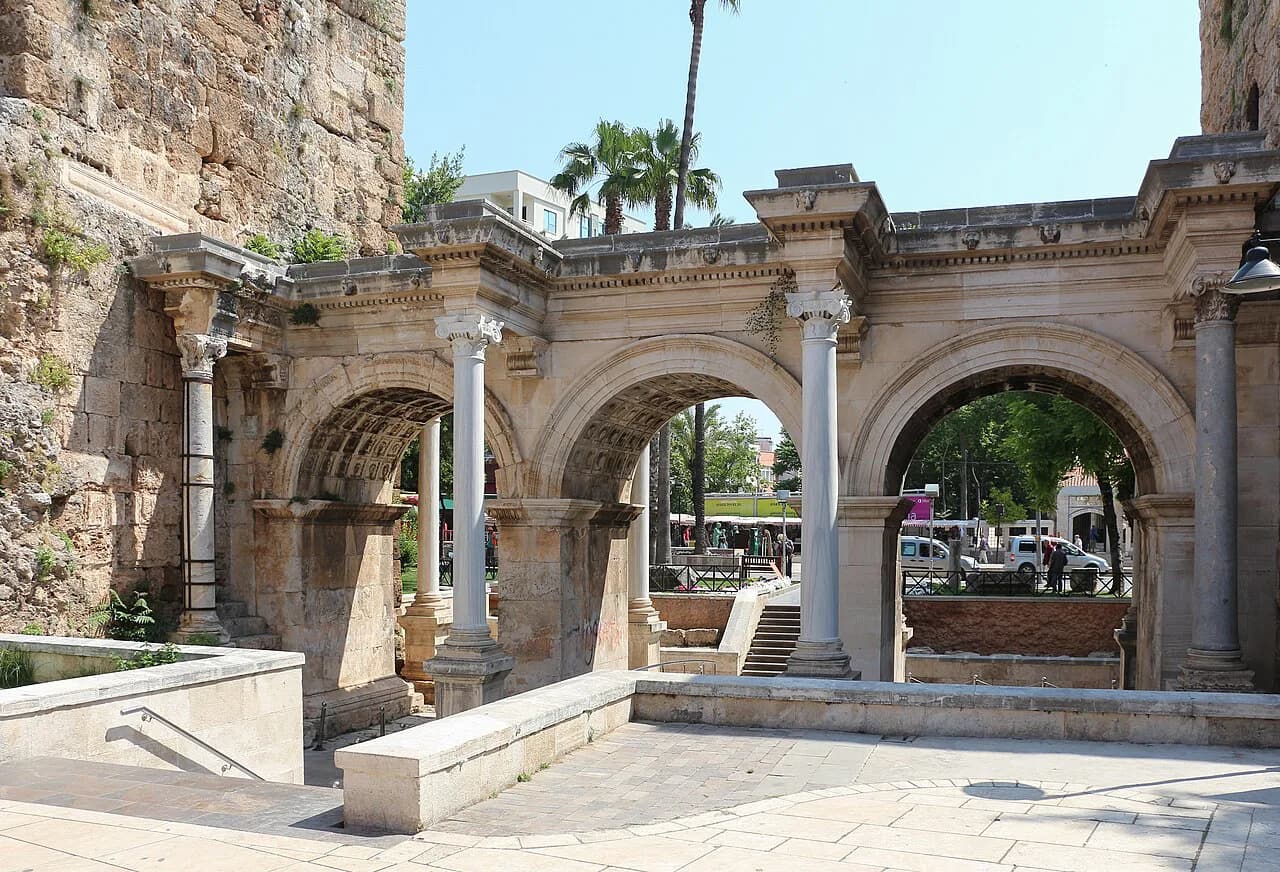
Elsewhere the ruins are smaller and quieter: Kaunos near Dalyan, and the theatre and castle at Bodrum, which you can fold into a town day. For the theatre-and-baths kind of visit, the coast holds a good share of the Roman ruins in Turkey, and pairing a harbour morning with a site in the afternoon needs no long transfer.
How to get around: dolmuş, bus, ferry and car
Dolmuş minibuses are the workhorse for short hops: the run from Alaçatı to Ilıca takes about ten minutes, and similar services link the resort towns to their beaches and neighbours. For longer legs the intercity bus network connects İzmir, Kuşadası, Bodrum, Marmaris and Fethiye.
A car gives you the most freedom on the Bodrum peninsula and the Dalyan–Fethiye stretch, where buses thin out and ancient sites sit off the main road. Fares and timetables change, so confirm times locally the day before you travel rather than relying on a printed schedule.
How long the coast needs and how to combine two or three places
Two or three places knitted together make a better trip than a single base, because the coast's character changes so much between stretches. A workable shape is İzmir or Alaçatı for two nights, Kuşadası for Ephesus, then Bodrum or Marmaris as the southern base, with Dalyan as a day or an overnight at the end.
Allow two weeks for that full run if you want time in the water as well as at the ruins; a week covers either the northern Aegean or the southern stretch comfortably but not both. Cunda is a two-day stop rather than a week, and Bodrum and Marmaris each want at least two nights to be worth the transfer.
What each place is best for: old-town wandering, boat trips, markets or ruins
Old-town wandering belongs to Alaçatı, Cunda, Foça and Bodrum's bazaar streets; boat trips belong to Dalyan's river and to the harbours at Marmaris and Bodrum; ruins belong to Kuşadası for Ephesus and to Dalyan for Kaunos and the rock tombs. Markets are strongest in Bodrum, and meze culture is the reason to slow down in Alaçatı.
Northern Aegean villages reward the traveller who wants Turkish company and food shops over resort facilities, and the southern coast rewards those who want harbours, boats and easy access to the water. Neither is better; they are different holidays, and the coast lets you take both in one trip.
Practicalities: summer heat, crowds and haggling
Summer heat and crowds are the main constraints: the big sites such as Ephesus fill with coach tours, and the exposed stone of a theatre or a cliff tomb is punishing at midday. Start early, carry water and treat the middle of the day as harbour time rather than ruin time.
In the bazaars and markets, haggling is normal for textiles, souvenirs and spices but not in shops with fixed prices; ask the price first and walk away if it does not suit. In Alaçatı many restaurants still work the traditional way, with no menu and a cold bar of meze to choose from, so ask what is on rather than expecting a printed list. For a full market-day guide to the southern coast, see our guide to the İçmeler market.
Which stretch of the Aegean coast should you book?
If you want ruins and harbours, base yourself at Kuşadası for Ephesus and add Bodrum for the castle and market streets. If you want a slower, more Turkish coast, take İzmir as your gateway and work through Ayvalık, Cunda, Foça and Alaçatı over four or five days.
For a classic southern holiday, pair Marmaris or İçmeler with a Dalyan river day and finish at Fethiye and Ölüdeniz. Whichever shape you choose, check ferry times, dolmuş routes and site opening hours a day ahead, and keep your plans loose enough to move when the heat or the crowds push you.
Explore more Turkey guides
Sources
Notes for your next Turkey trip
Optional updates when we add or correct a town guide.
You might also like
Continue reading
More guides you'll find useful