Roman Ruins in Turkey: Which Sites to Visit and Why
Plan a trip around Turkey's Roman ruins, from Ephesus and Hierapolis to Perge, Side and Aphrodisias, with advice on layout, timing and coach crowds.
On this page
Turkey's Roman ruins cluster in the west and south, and you can see several good ones from a single coastal base. Ephesus near Selçuk is the anchor site, with Hierapolis above the white terraces at Pamukkale, Aphrodisias inland, and Perge and Side within easy reach of Antalya. This guide groups the main sites by region, says what each is like on the ground, and covers tickets, transport and summer crowds.
The most famous sites reward an early start rather than a long day. Coaches tend to arrive mid-morning, so the first hour at Ephesus and at Pamukkale is noticeably calmer and cooler. Plan the big set pieces for opening time and save the smaller, quieter ruins for the afternoon, when heat and crowds push most visitors back to the coast.
What the Roman ruins in Turkey are and where they sit
Most of the headline sites are Greco-Roman cities on the Aegean and Mediterranean coasts, founded by Greek settlers and later rebuilt under Roman rule. Ephesus, Troy, Pergamum, Aphrodisias, Assos, Didyma, Hierapolis, Kaunos, Knidos and Side all appear in a standard survey of the country's Greek and Roman remains.
The geography runs broadly west to south. The Aegean side includes Troy and Assos in the north, Pergamum and Didyma further down the coast, and Ephesus near Selçuk. The southern half takes in Hierapolis above Pamukkale, Aphrodisias inland, and Perge and Side on the Mediterranean coast round Antalya, with Kaunos and Knidos on the south-west shore. Choosing one side per trip keeps the driving manageable and lets you see each site at a sensible pace.
You do not need a car for every site, but several are awkward without one. For most of the inland and scattered ruins, a car makes the day far easier, and renting one in Turkey is straightforward. Where a site sits near a resort, dolmuş minibuses and organised tours fill the gap.
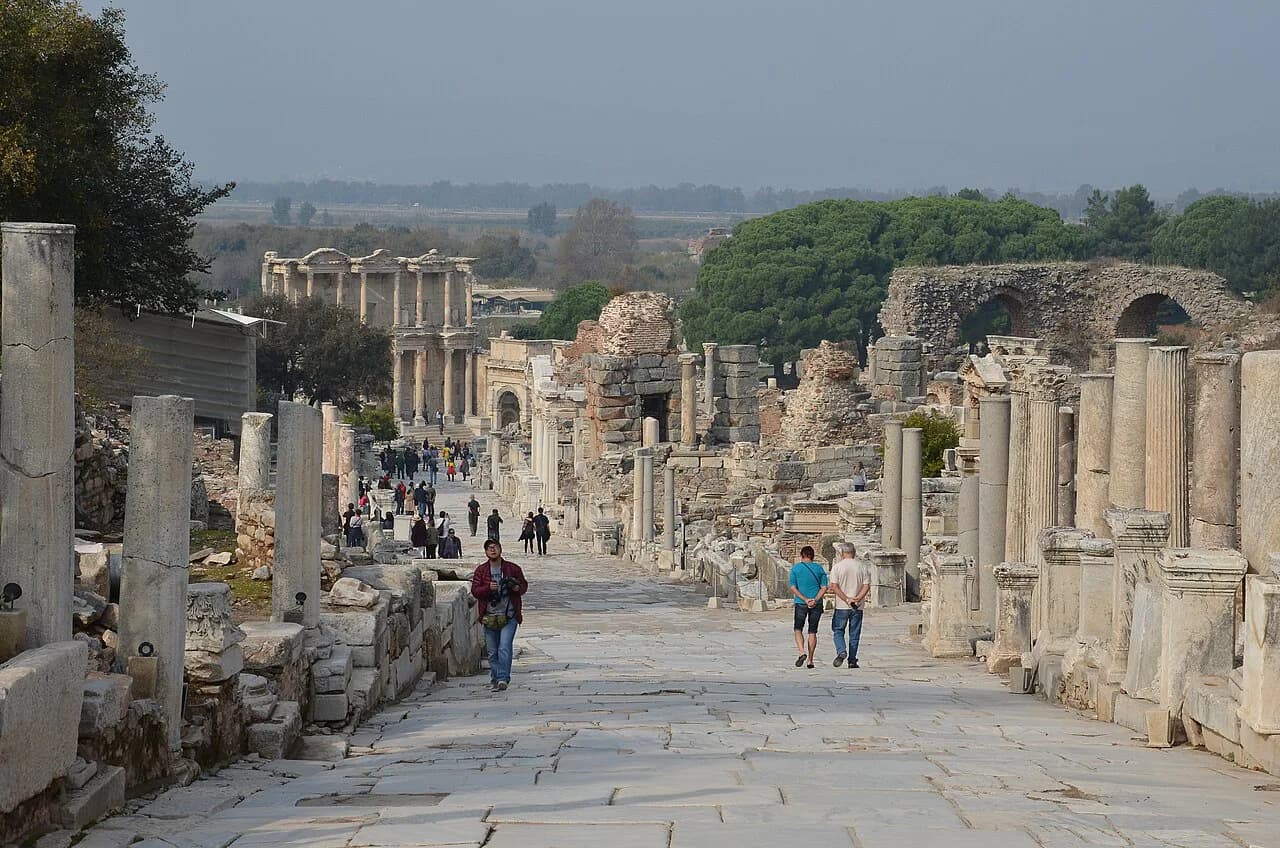
Ephesus: the Library of Celsus, the Great Theatre and the busy hours
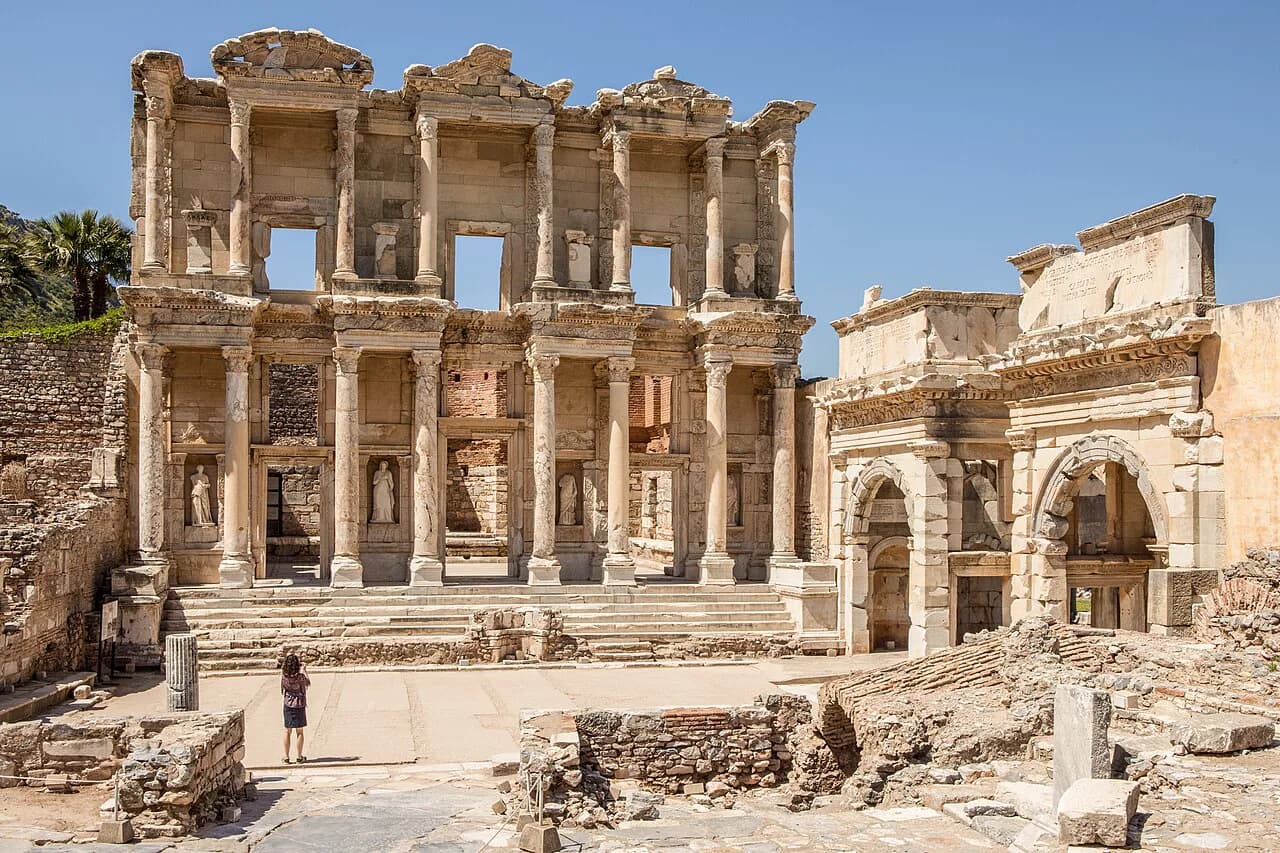
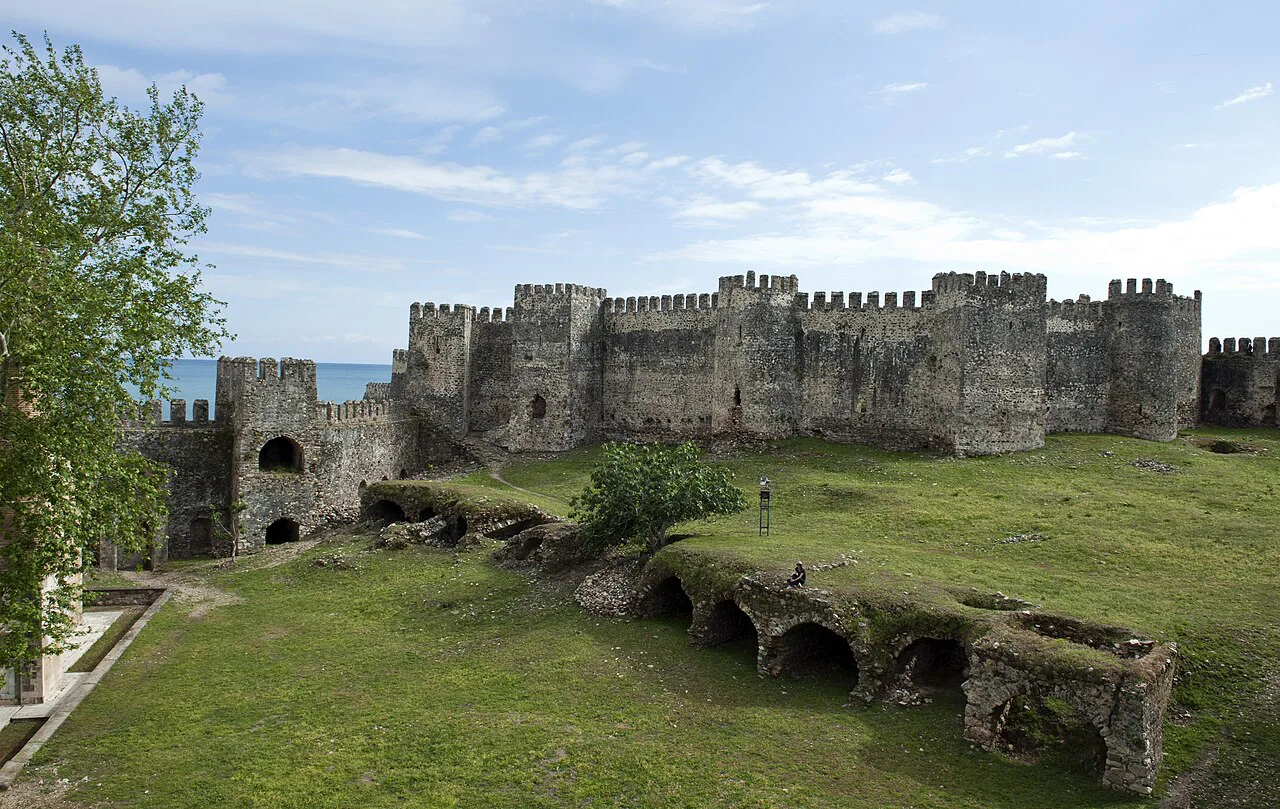
Ephesus near Selçuk shows some of the best-preserved Greek and Roman ruins in the Mediterranean, and the street layout funnels your eye towards the Library of Celsus. The Great Theatre, the Roman streets and the terraced houses are the highlights, and the site repays at least half a day rather than a quick circuit.
Are there Roman ruins in Ephesus, Turkey? Yes. Ephesus near Selçuk shows some of the best-preserved Greek and Roman ruins in the Mediterranean, including the Library of Celsus and the Great Theatre.
Are there any underwater Roman ruins in Turkey? The southern coast holds underwater remains alongside its rock tombs, theatres, Roman baths and above-water ruins, which is part of why that stretch rewards a slow itinerary. Boat trips are the usual way to see the submerged material, and services thin out outside the main season.
Are there any 12,000-year-old ruins in Turkey? The Roman and Greek sites covered here are classical, not prehistoric. Travellers looking for much older archaeology should plan a separate inland itinerary rather than trying to fold it into an Aegean ruins route.
It is also one of the busiest ruins in Turkey. Arriving at opening time gives you the colonnaded streets and the library facade before the tour groups fill them, and the photographs come out cleaner too. By mid-morning the main route between the upper and lower gates is a slow procession.
Ephesus suits a base at Selçuk, which sits beside the site and has its own small sights. From the coast, Kuşadası works as an alternative base if you want the Aegean coast of Turkey within reach for a wider loop.
Hierapolis and Pamukkale: the theatre, the necropolis and the white terraces
Hierapolis sits above the white travertine terraces at Pamukkale, and the combination is the reason most people come inland. The ancient city was a multicultural spa town, and its hot springs were long thought to have healing properties. On the ground you get a large theatre you can climb for views over the plain, plus an extensive necropolis spread across the hillside.
The terraces and the ruins are one visit, not two, and the walk between them involves a fair amount of uphill ground in full sun. Like Ephesus, this is a popular destination where early arrival avoids both the crowds and the worst heat. Treat the terraces as the first stop, then the theatre and necropolis once the day warms up.
Aphrodisias: the sculpture, the museum and the designated walking route
Aphrodisias is the city dedicated to Aphrodite, and it is a large site with a fixed visitor route rather than open ground to wander. That path keeps you moving through the ruins in order, which suits some travellers and frustrates those who prefer to explore freely. The carvings along the walls and the sculpted faces are what stay with visitors.
One thing to know before you go is that the striking male statue on site is a replica. The original stands in the on-site museum, alongside many other sculptures from the excavations, so budget time for the museum as well as the ruins. The site also has a well-known ancient stadium among its remains.
Perge and Side: Roman ruins near Antalya and on the coast
Perge, near Antalya, has extensive Roman remains that make an easy half-day from the city or the surrounding resorts. It pairs naturally with the old town of Kaleiçi and with a wider sweep of the Turkish Riviera, where you can mix ancient streets with harbour evenings.
Side, further east along the coast, combines its ruins with a modern resort town, and the site includes a museum as well as the standing remains. Side was one of the wealthy port cities that prospered under Persian rule before the region was Hellenised. Because the ruins sit inside the town, you can see them on foot between other plans rather than dedicating a whole day.
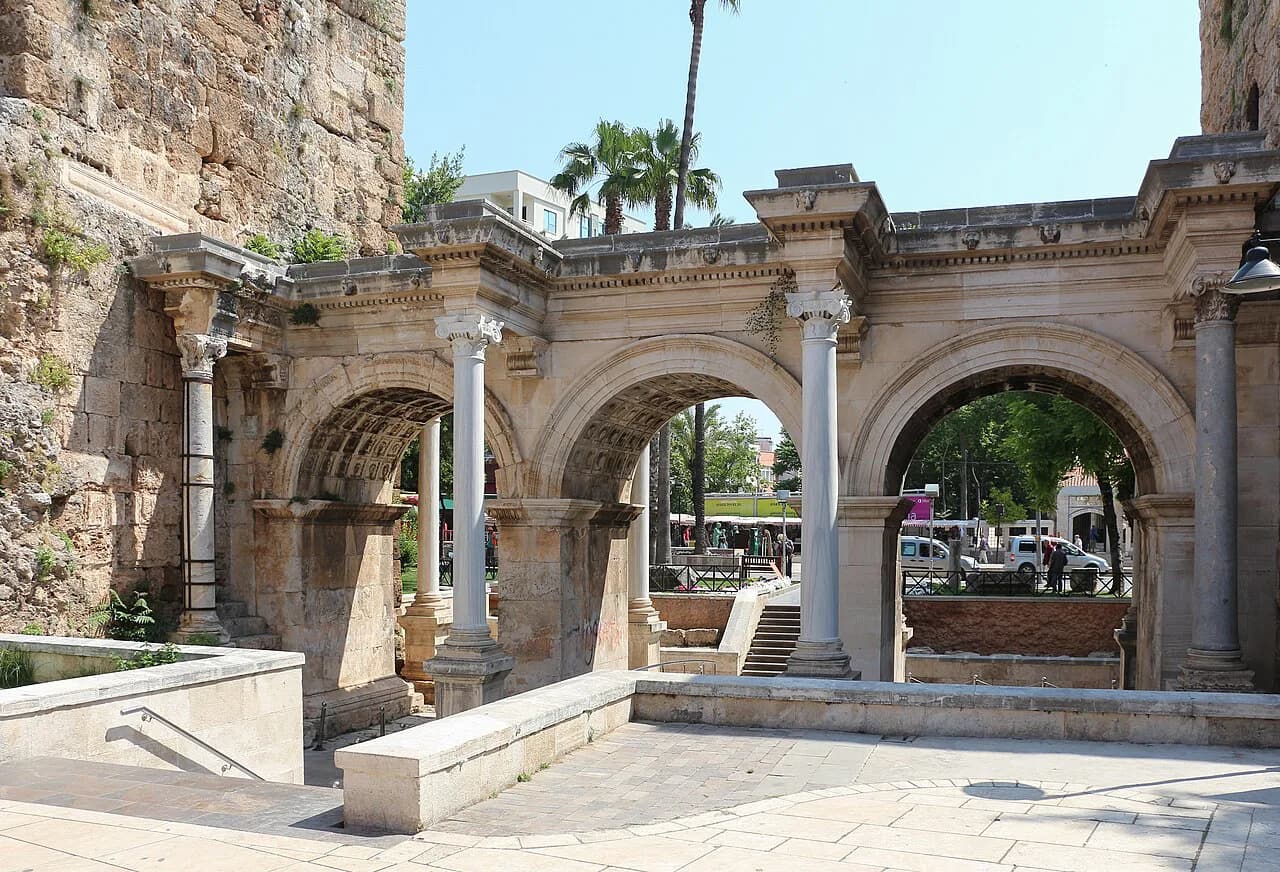
Antalya itself works well as a base for this stretch. Its old town and Hadrian's Gate sit close to the harbour, so you can stay in the city and reach Perge and Side on day trips.
Troy, Pergamum, Assos and Didyma on the Aegean side
On the Aegean side, Troy, or Truva, is a UNESCO World Heritage Site where Anatolia, the Aegean and the Balkans meet. Pergamum, also spelt Pergamon, grew rich under the Attalid dynasty after Alexander the Great and is a UNESCO site in its own right. Both sit in the northern half of the Aegean coast and make a natural pair over two days.
Assos, now called Behramkale, is a seaside spot with a Temple of Athena on the crest of a dormant volcano and views across to Lesbos. Didyma holds the Sanctuary of Apollo, one of the most important oracles of the Greek world, linked to Miletus by the 17 kilometre Sacred Way. Both reward travellers who base themselves along this stretch rather than day-tripping from far away.
Kaunos and the southern coast sites
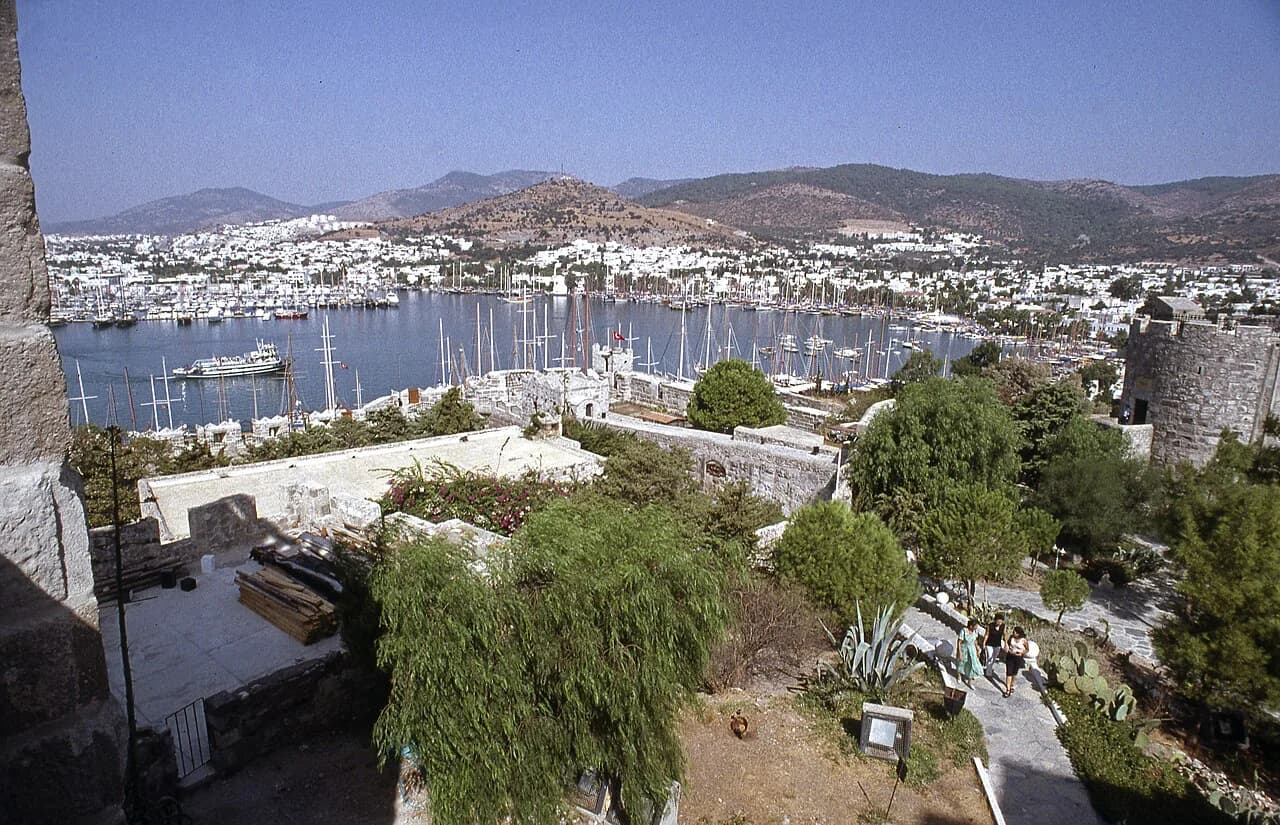
Kaunos, near Dalyan, is one of the southern coast's major sites, with rock tombs cut into the cliff above the river and a large archaeological area to walk. Knidos sits further southwest at the tip of the peninsula, reached by road and boat from the Bodrum and Datça side. Both reward a slow day rather than a rushed stop.
The Turquoise Coast, the stretch from Fethiye round to Antalya, concentrates rock tombs, Greek theatres, Roman baths and even an underwater city within a compact area. Basing yourself in Fethiye, Ölüdeniz or Kaş puts several of these within a day's drive, and the Blue Lagoon at Ölüdeniz gives non-ruins time for the rest of the party.
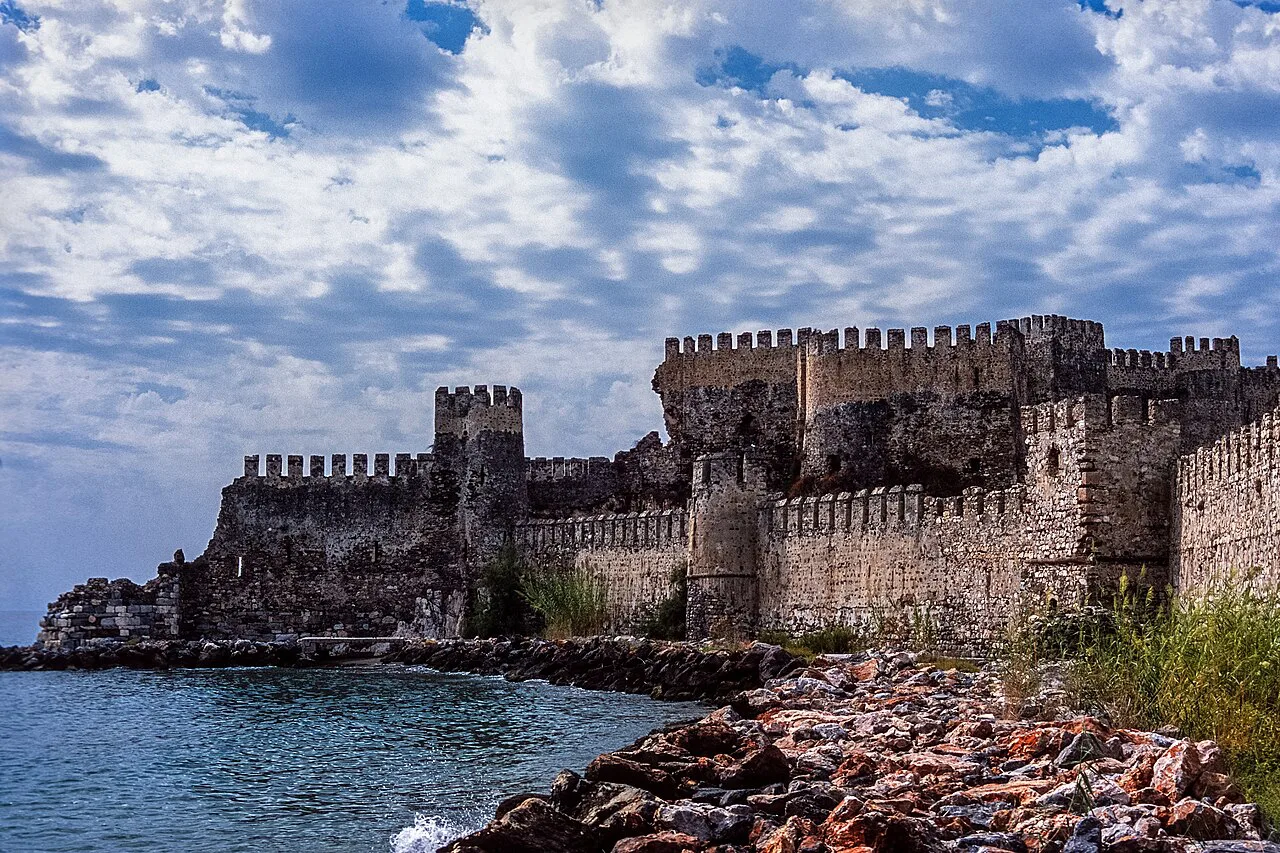
Further east, around Anamur, the ruins at Anemurium sit beside Mamure Castle on Turkey's southern tip. It is a long way from the main resort strips, which is exactly why it stays quiet, and it suits travellers driving the coast rather than flying between bases.
How to group the sites into a route by region
A sensible three-base plan covers most of the big sites without excessive driving. Base one at Selçuk or Kuşadası for Ephesus and Didyma, base two at Pamukkale for Hierapolis and Aphrodisias, and base three on the Antalya coast for Perge and Side. Add a northern Aegean stop for Troy, Pergamum and Assos if you have a week or more.
Grouping by region matters more than any ranking of the sites themselves. A route that hops between coasts will spend its days in the car, while a route that stays on one side of the country leaves time for the small sites that make a trip memorable. Take a look at the wider list of ancient sites in Turkey before you commit to a shape.
Getting between sites: car, dolmuş, bus and organised tours
For the scattered inland sites, a car is the practical choice, and renting one in Turkey is easy and straightforward, as is driving. Small and practical is the right size for village roads and tight car parks. Without a car, you are relying on organised tours that run to fixed itineraries.
Dolmuş minibuses connect towns, resorts and many site entrances on the coast, and they are cheap and frequent on popular routes. They work best for sites just outside a resort, such as Perge from Antalya, and less well for rural ruins where you would need several connections. Organised day tours cover Ephesus, Pamukkale and Side efficiently but lock you into the group's pace.
Boat trips reach some coastal ruins, including the approach to Knidos and the river at Dalyan for Kaunos. Services thin out outside the main season, so check locally before planning a day around a boat rather than a road.
Ticket prices, Müzekart and what to confirm before you go
Ticket prices, opening hours and closing days for Turkish sites change, and no reliable current figures sit alongside the details here. Check the official museum ticket pages for each site before you travel, and look at the Müzekart pass rules on the same pages, since eligibility and validity differ by site and by pass type.
Allow time for the on-site museums as well as the ruins, since a museum visit adds to the day at sites such as Aphrodisias and Side. A guided tour bundles transport and guiding with the visit, which simplifies the day but limits flexibility.
Coping with heat, crowds and coach parties in summer
Summer heat in the Aegean and Mediterranean is the main constraint on any ruins itinerary. Start at opening time, carry water, and plan the most exposed sites for the morning. The softer light earlier in the day is also better for photographs of the white terraces at Pamukkale and the streets of Ephesus.
Coach parties set the rhythm of the busiest sites. Ephesus fills quickly once the tour buses arrive, and the same pattern holds at Pamukkale. Build your day so the big set pieces come first and the quieter places, including rural ruins and small museums, come later.
Smaller sites such as Magnesia stay quiet and give you space to wander, though signage there can be confusing and the stadium entrance sits outside the main gate. If you want company-free ruins, these lesser-known places are the trade-off against the famous sites.
Which base should you choose for the ruins?
For a first trip built around Roman ruins, base yourself at Selçuk for Ephesus and add two nights at Pamukkale for Hierapolis and Aphrodisias. That pairing gives you the two headline sites without long drives, and leaves the Antalya coast, Troy and the southern sites for a second trip.
If the coast is the priority, base at Antalya for Perge and Side or at Fethiye for Kaunos and the Turquoise Coast ruins. Whichever you choose, book accommodation near the site rather than in a distant resort, and start early.
Explore more Turkey guides
Frequently Asked Questions
Are there Roman ruins in Ephesus, Turkey?
Yes. Ephesus near Selçuk shows some of the best-preserved Greek and Roman ruins in the Mediterranean, including the Library of Celsus and the Great Theatre. It is one of the busiest sites in the country, so arriving at opening time makes a real difference to the experience.
Are there any underwater Roman ruins in Turkey?
The southern coast holds underwater remains alongside its rock tombs, theatres, Roman baths and above-water ruins, which is part of why that stretch rewards a slow itinerary. Boat trips are the usual way to see the submerged material, and services thin out outside the main season.
Are there any 12,000-year-old ruins in Turkey?
The Roman and Greek sites covered here are classical, not prehistoric. Travellers looking for much older archaeology should plan a separate inland itinerary rather than trying to fold it into an Aegean ruins route.
Sources
Notes for your next Turkey trip
Optional updates when we add or correct a town guide.
You might also like
Continue reading
More guides you'll find useful