Turkish Resorts Compared: Which Region Suits Your Trip?
Compare Turkish resort areas by character, sights, boat trips, food and access, so you can pick between Side, Belek, Kemer, Fethiye and Bodrum.
On this page
Choose the cluster before the complex, and a Turkish resort holiday almost plans itself. Antalya Bay gives you Kaleiçi, Side and the big golf and all-inclusive estates; the Lycian coast gives you Fethiye, Ölüdeniz, Kalkan and Kaş; the south Aegean gives you Bodrum, Marmaris and Kuşadası. This comparison sets those areas against each other on old-town character, ancient sites, boat trips, food and airport access, so you can see which one matches the trip you actually want.
What 'Turkish resort' means here: a town base or a self-contained complex
Two quite different holidays get sold under the same label. One is a coastal town where you stay in or near the centre and walk to the harbour, the bazaar and the ancient site; the other is a walled complex where meals, pools, entertainment and often the beach sit inside the gate. Belek and parts of Kemer are dominated by the second kind, while Kaleiçi, Side, Bodrum and Kaş are firmly the first.
The distinction matters most for how you spend evenings and how far you travel for a change of scene. A self-contained estate is easy with children and hard to leave; a town base makes you negotiate dolmuş minibuses and restaurant prices but puts the old town on your doorstep. Decide which of those two you want first, then use the regional sections below to narrow the map.
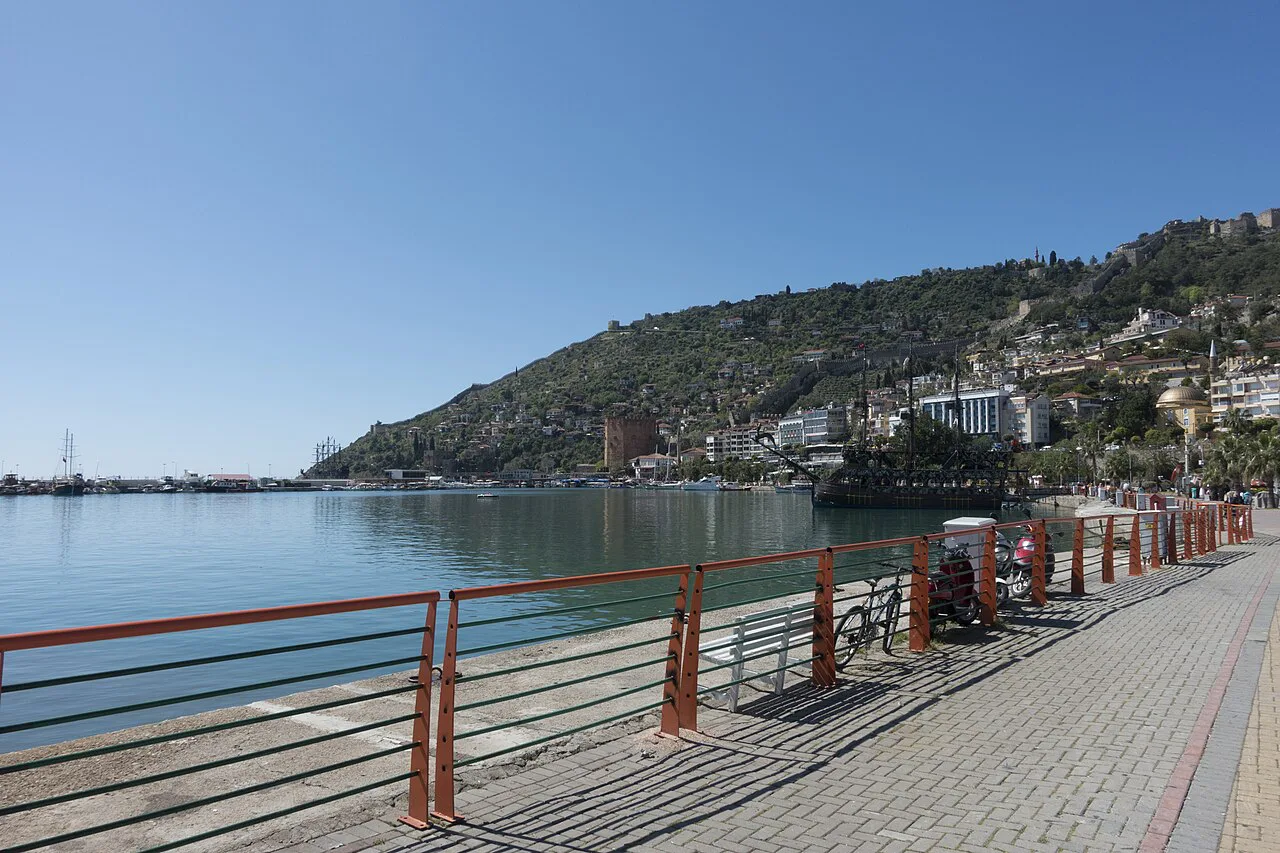
The Antalya Bay cluster: Antalya city, Belek, Kemer and Side
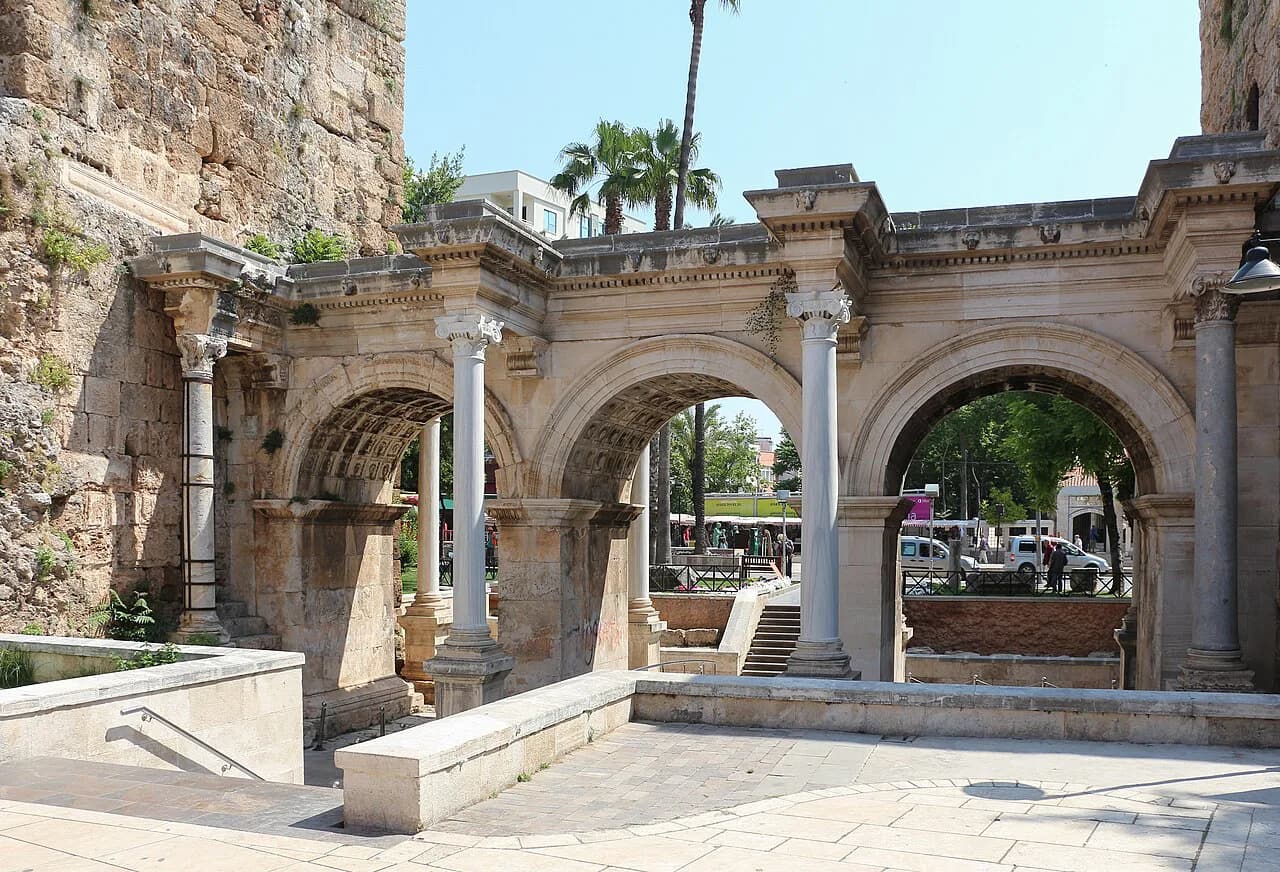
Antalya is the hinge of the whole coast. The city's Kaleiçi old quarter wraps around the harbour below Hadrian's Gate, Konyaaltı and Lara are the city's own beach suburbs, and the resort belt runs east through Belek towards Side and west through Kemer. That spread means one airport serves an unusually wide choice of bases, from urban to fully packaged.
Is it worth going all-inclusive in Turkey? It depends on the trip rather than the country. All-inclusive works well at Belek and the larger Kemer estates, where the point of the holiday is pools, golf, kids' clubs and a private beach, and where leaving the complex for dinner is a transfer rather than a stroll.
What are the nicest parts of Turkey for a resort holiday? The Antalya Bay cluster around Kaleiçi, Side, Belek and Kemer, the Lycian coast from Fethiye through Ölüdeniz, Kalkan and Kaş to Dalyan, and the south Aegean around Bodrum, Marmaris, Kuşadası and Didim. Which is nicest depends on whether you value old-town character, ancient sites, boat trips or a contained resort; the sections above compare them on those grounds rather than on a single ranking.
How do I choose between a resort complex and a town base? Choose the complex if you want meals, pools and entertainment on site and do not mind transferring for sightseeing. Choose the town if you want to walk to a harbour, market and restaurants and to reach ancient sites independently.
Belek is where the golf and large all-inclusive end of the market concentrates: the U.S. News Travel list puts Gloria Serenity Resort, Gloria Verde Resort, Kaya Palazzo Golf Resort, Calista Luxury Resort and Maxx Royal Belek Golf Resort among its Turkish entries, with several of them listed at Belek. Treat that as a description of where the big estates sit rather than a shortlist to book from.
Kemer, with Tekirova just south of it, mixes large resorts with access to the coast's own ruins. Maxx Royal Kemer Resort and Crystal Flora Beach Resort appear on the same U.S. News list, and the Tekirova strip is also the base for visiting Phaselis and for boat days towards Suluada.
Side sits further east along the same bay and is the cluster's clearest old-town resort. The Roman theatre and the Temple of Apollo stand inside the modern town, the harbour is a short walk from the main street, and the beach runs out towards the river at Manavgat. Ali Bey Resort Sorgun and Cesars Resort Side represent the packaged end of that area, according to U.S. News Travel's Turkish resorts list.
Antalya city itself is often skipped by resort guests, which is a mistake if you want a market and a museum alongside the sea. Concorde De Luxe Resort is listed at Antalya on the same U.S. News list, but the more useful point is that a city base lets you use the old town, the bazaar and the museum on foot rather than by excursion.
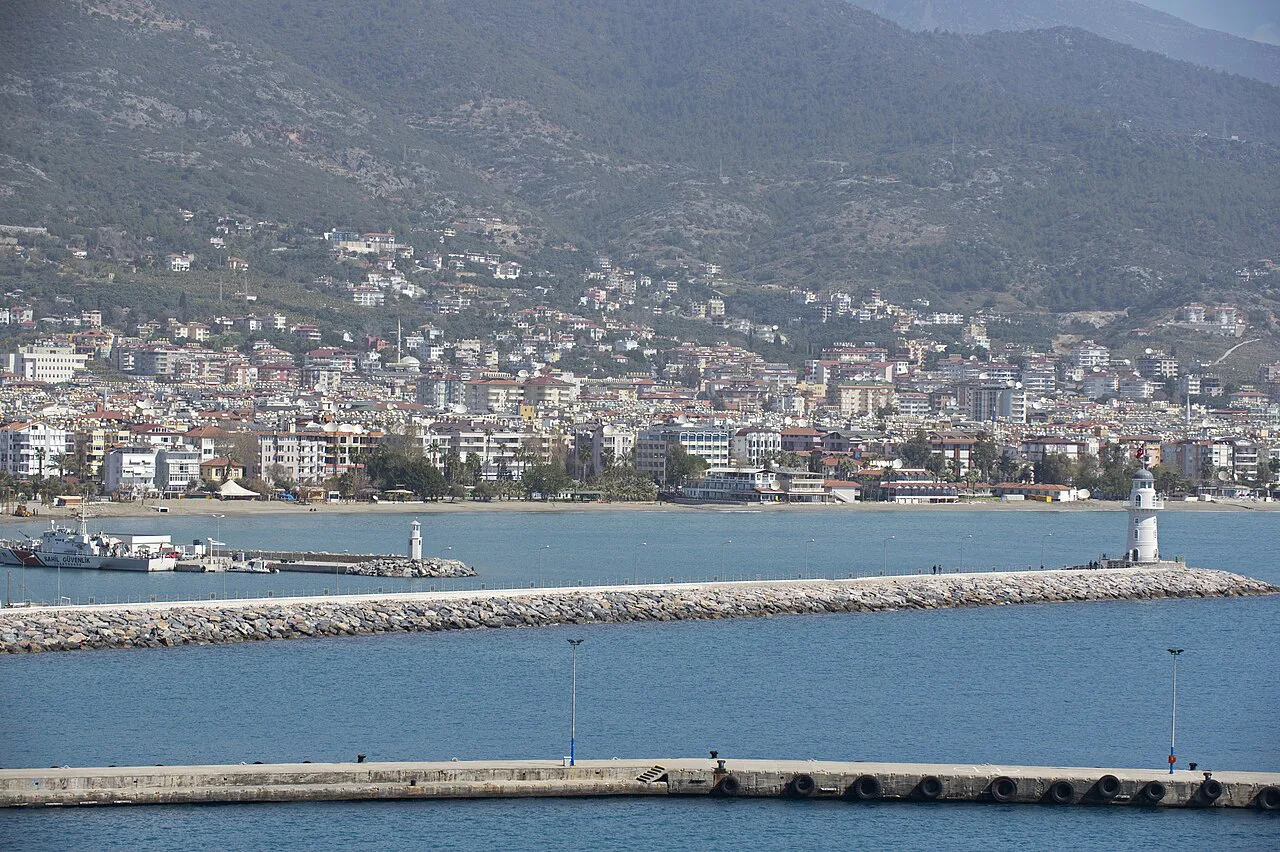
The Lycian coast: Fethiye, Ölüdeniz, Hisarönü, Kalkan, Kaş and Dalyan
The Lycian coast is the most varied stretch in this comparison, and the bases differ sharply. Fethiye is a working town with a harbour and a market; Ölüdeniz and Hisarönü sit above the Blue Lagoon and are built around the beach and paragliding; Kalkan and Kaş are small harbours with steep streets and a quieter feel; if that harbour-and-streets picture appeals, start with our guide to Kalkan old town before weighing the rest of the coast. Dalyan, inland on the river, trades sea frontage for mud baths, rock tombs and boat trips along the delta.
Choosing between Kalkan and Kaş comes down to scale and setting rather than quality. Both are compact and walkable, both put boat trips and Lycian ruins within reach, and both reward travellers who want restaurants and a harbour rather than an estate. The Çukurbağ peninsula on the Kaş side is the place to look if you want to be slightly out of the centre.
Resort stock on this coast runs from five-star to bungalow. Liberty Lykia Adults Only is listed at Ölüdeniz on the U.S. News Travel list, and Jiva Beach Resort at Fethiye. The smaller Çıralı places below sit in a different category altogether, with gardens, bungalows and a short walk to the beach rather than pools and animation teams.
The south Aegean: Bodrum, Marmaris, İçmeler, Kuşadası and Didim
The Aegean side has a different rhythm from Antalya Bay. Bodrum is a proper town with a castle, a marina, a bazaar and a peninsula of villages behind it; Marmaris and İçmeler are bigger, brasher holiday strips with a long waterfront; Kuşadası is the practical base for Ephesus, with a compact Kuşadası old town beside the harbour; Didim is quieter and oriented around its own beach and temple site, and our Didim town centre guide sets out what it is like and who it suits.
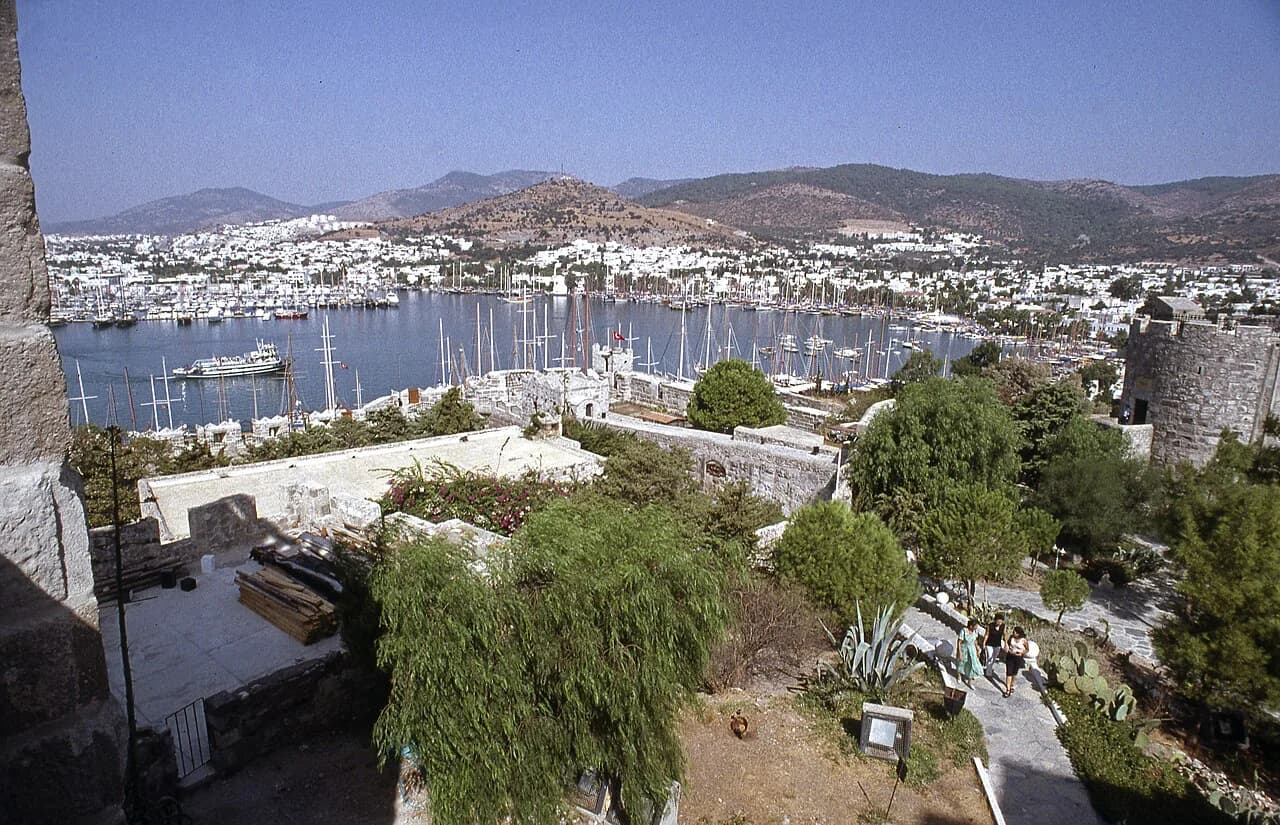
If old-town atmosphere is the deciding factor, Bodrum is the strongest of this group. Bodrum Castle and the marina give the centre a shape you can navigate on foot, with the bazaar behind the waterfront and boat trips leaving from the harbour. In Marmaris Old Town, by contrast, the castle sits beside a much larger package-holiday strip, so you get both convenience and crowds.
Kuşadası earns its place mainly through access. It is the conventional base for Ephesus, which also means it absorbs the coach traffic that the site attracts; staying here lets you arrive early or late rather than in the middle of the tour convoy. Didim and the surrounding coast suit travellers who want a smaller base and are willing to drive or take a dolmuş for the bigger sights.
Boutique and small-scale alternatives: Çıralı bungalows near Olympos and Phaselis
Çıralı is the counter-argument to the five-star estate. It is a village of garden bungalows set back from a long beach, with the ruins of Olympos a short walk away and Phaselis a drive down the coast. Accommodation is small-scale: Cirali Armira Bungalow sits in a fruit garden a short walk from the beach, and Kibala Hotel is described as a fifteen-minute walk from the Olympos ruins, both with rustic bungalows and terraces rather than resort facilities.
What you give up is convenience of a particular kind: no large pool complexes, fewer restaurants, and a layout that rewards walking or cycling. What you gain is a beach that does not feel like a resort strip and two ancient sites within easy reach. It suits couples and independent travellers more than families who want organised activities on site.
Comparing on old town and harbour character
On old-town character, the strongest bases in this comparison are Kaleiçi in Antalya, Side, Bodrum and the small harbours of Kalkan and Kaş. Each has streets you can wander without a plan: Kaleiçi's lanes behind Hadrian's Gate, Side's colonnaded main street running down to the harbour, Bodrum's whitewashed centre around the castle. If you want to step out of your hotel into somewhere with a history of its own, these are the places to weigh up.
Belek and the Kemer–Tekirova strip have the least of this. They are estates set in pine and garden between the road and the beach, with the nearest town a taxi or dolmuş ride away. That is not a fault if you want a contained holiday, but it does mean the evening walk is around the grounds rather than through a bazaar.
Comparing on ancient sites within reach: Perge and Aspendos, Ephesus, Hierapolis, Xanthos and Patara
Antalya Bay is the richest cluster for Roman ruins. From the city you can reach Perge and Aspendos on a day out; Side has its own theatre and temple; Termessos sits in the mountains behind Antalya. A base in Kaleiçi or Side therefore lets you combine a beach holiday with several separate site visits rather than one organised excursion.
The Lycian coast covers a different set of sites. Xanthos and Patara lie west of Kaş and Kalkan, Myra and Olympos are within reach of the Fethiye–Çıralı stretch, and Phaselis is close to Kemer and Tekirova. This is the cluster to choose if you want Lycian rock tombs and a Roman theatre on the same trip as a boat day.
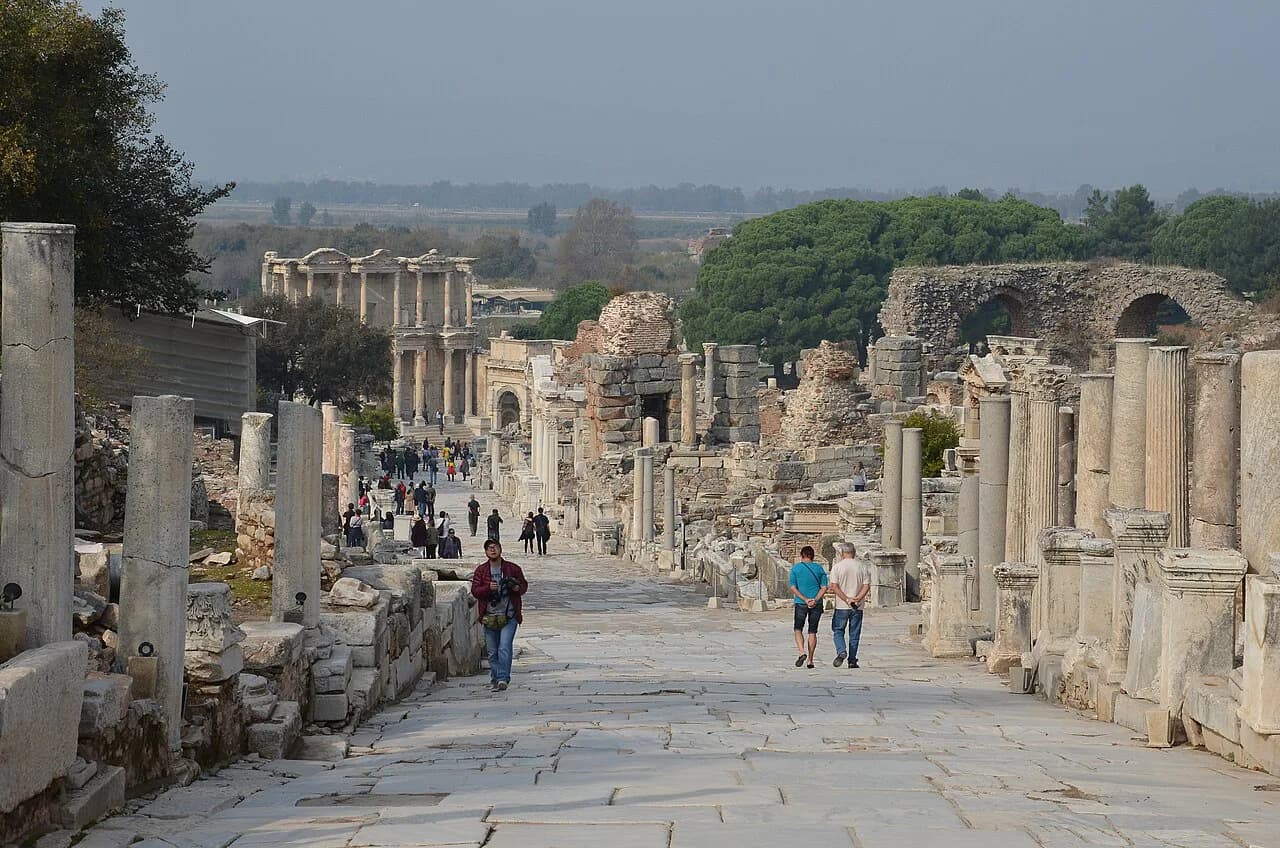
The south Aegean puts Ephesus at the centre. Kuşadası is the standard base, with the Library of Celsus as the image everyone comes for, and the site's popularity means coach parties arrive in waves through the middle of the day. Pamukkale and Hierapolis sit inland from this coast and are usually done as a long day trip rather than a base.
Comparing on boat trips and seasonal services
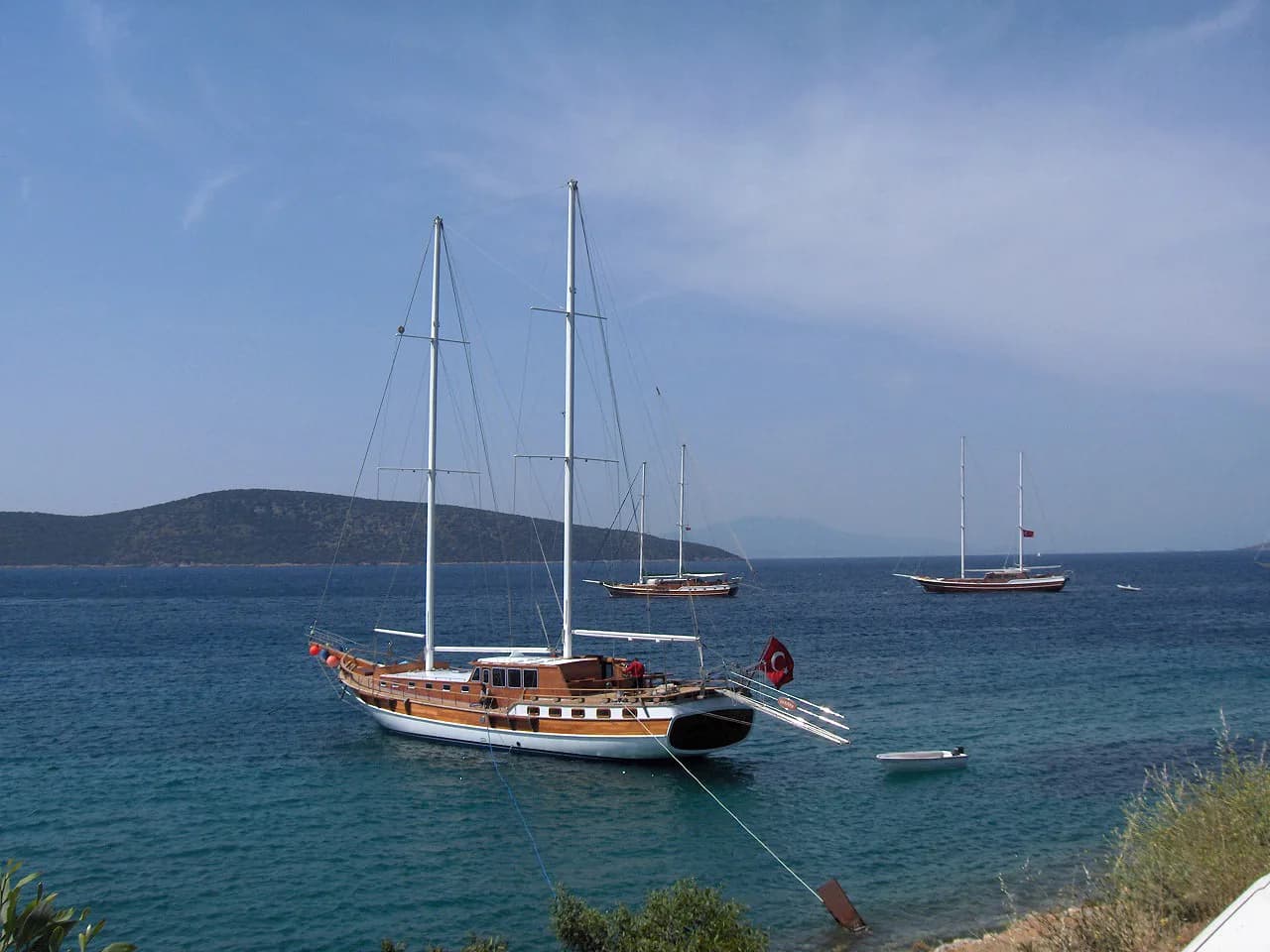
Boat days are a defining feature of the Lycian and Aegean coasts rather than of Belek. From Fethiye, Ölüdeniz, Kalkan, Kaş and Bodrum you can join a gulet or day boat out to bays and islands; from Side and Alanya the boats run along the bay; from Tekirova they head for Suluada. Services are seasonal, so a boat that runs in high summer may not exist in April or November, and it is worth checking what is operating for your dates before you build a day around it.
Inland bases change the calculation. Dalyan's boats work the river and delta rather than the open sea, which suits travellers who prefer birds, mud baths and rock tombs to swimming stops. A resort estate in Belek has no boat of its own, so a boat day means a transfer to a harbour town first.
Comparing on food, markets and bazaars
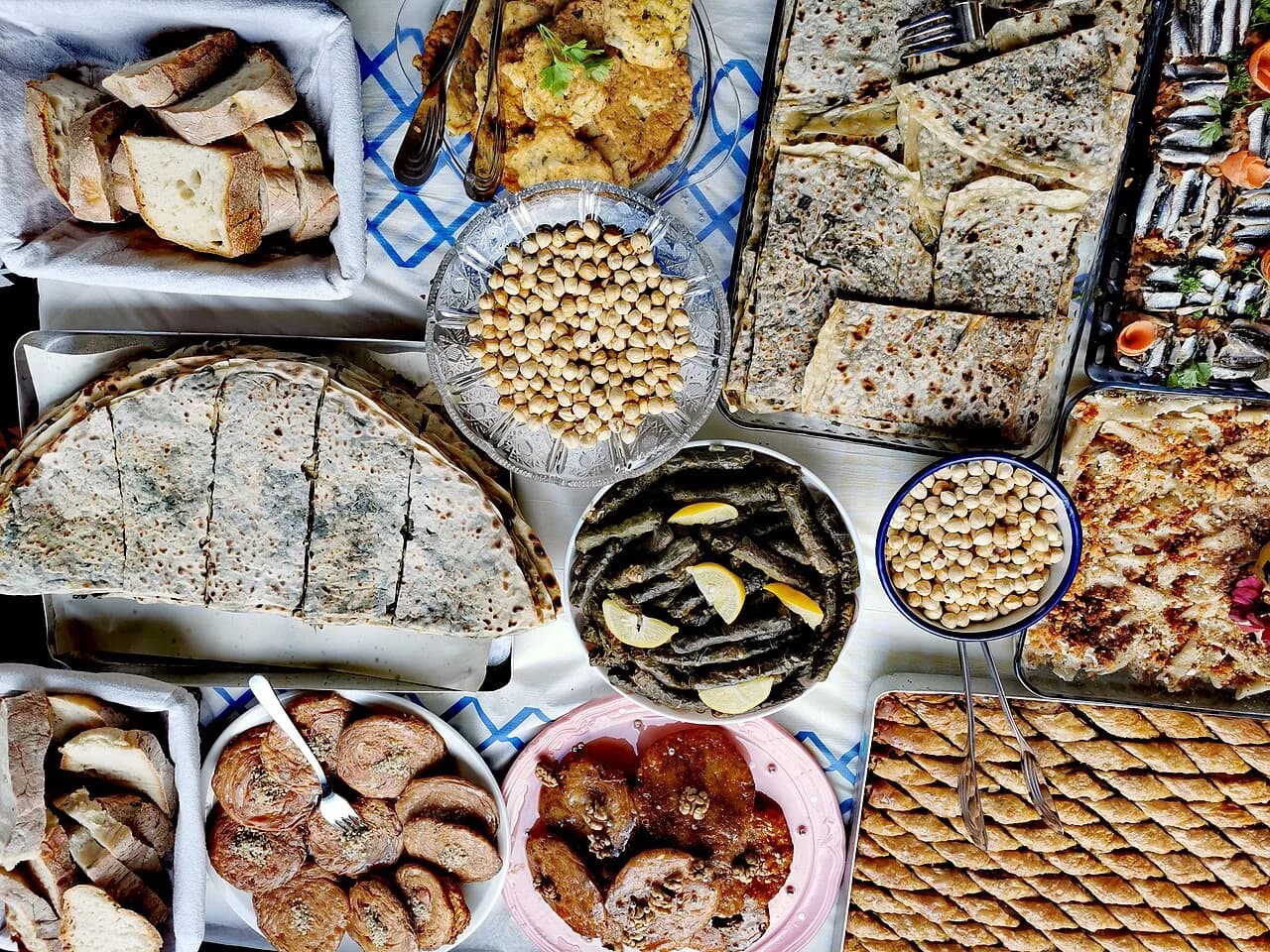
Town bases win on food. Antalya, Fethiye, Bodrum, Kuşadası and Kaş all have markets and ordinary restaurants where you can eat beyond the hotel menu, and the bigger towns have bazaars where haggling is part of the transaction. Side and Kaleiçi combine this with a tourist-facing restaurant strip along the harbour, so prices and quality vary street by street.
All-inclusive estates remove the decision entirely. That is the appeal for families and for anyone who does not want to think about dinner after a hot day at a site. The trade-off is that you eat where you sleep, and the town's market becomes a shopping stop rather than somewhere you buy lunch.
Comparing on access: airports and dolmuş connections
Antalya airport is the main gateway for the whole Antalya Bay cluster, from Lara and Konyaaltı through Belek and Kemer to Side. Dalaman serves the Lycian coast, covering Fethiye, Ölüdeniz, Hisarönü, Kalkan, Kaş and Dalyan, though the transfer distance to the far end of that coast is considerable. Bodrum-Milas and İzmir serve the Aegean side, with Kuşadası within reach of İzmir and Bodrum.
Once you are in a town, the dolmuş minibus is the workhorse: it connects resort strips with town centres and runs between neighbouring villages. It is cheapest for short hops but stops in the evening, so a late dinner in town usually means a taxi back to an outlying estate. If you plan to move between clusters, a car or a coach is more practical than stringing minibuses together.
Resort strip versus old town: what you gain and give up
An old-town base buys atmosphere, walkability and food choice. It also means noise, parking trouble and, in high summer, heat trapped between stone buildings with the sea a short walk away rather than outside your room. A resort strip buys space, pools, a private beach and predictable meals, at the cost of the town and a dependence on transfers for every outing.
The middle ground is a town with a resort fringe, which describes Side, Kuşadası and Marmaris reasonably well. You can stay within walking distance of the old centre and still have a large hotel with a pool nearby. That option rarely appears in the resort rankings, but it is often the best answer for mixed groups.
Golf and large all-inclusive complexes at Belek and Kemer: who they suit
Belek is the golf capital of this comparison, with a cluster of large estates that combine courses, spas, kids' clubs and several restaurants. Kaya Palazzo Golf Resort and Calista Luxury Resort are among the Belek entries on the U.S. News Travel list, and the density of courses around the town is what sets it apart from the rest of the coast.
These complexes suit travellers who want the holiday contained: families with young children, groups mixing golfers and non-golfers, and anyone who prefers not to plan transport. They suit independent travellers less well, because the whole point is that you do not need to leave, and the nearest old town is a drive away.
Matching the area to the trip: first visit, ancient sites, families and couples
For a first visit with ancient sites high on the list, Antalya Bay is the easiest choice: one airport, Kaleiçi, Side, Perge and Aspendos within a workable radius. For travellers who want a harbour town and boat days more than ruins, the Lycian coast around Kaş, Kalkan or Fethiye is the stronger fit. For Ephesus and a busier Aegean feel, Kuşadası.
Families generally do best at Belek, Side or the larger Kemer estates, where pools, beaches and children's facilities are on site. Couples who want quiet and a short walk to dinner should look at Kalkan, Kaş or the Çıralı bungalows; adults-only estates such as Liberty Lykia, listed at Ölüdeniz on the U.S. News Travel list, offer another version of the same idea.
Questions to settle before booking: season, heat, crowds and ticket validity
Four things decide whether a base works. Season determines which boat trips and seasonal restaurants are open; summer heat shapes how much walking you can do at a ruin in the middle of the day; coach traffic at Ephesus and Pamukkale decides whether you go early or late; and site ticket rules, including whether a Müzekart applies, change often enough that they need checking with the official ticket seller before you rely on one.
Prices are the fourth variable, and hotel rates and museum tickets in Turkish lira move quickly. Treat any figure you see in a comparison or booking site as a snapshot for the dates quoted, and confirm the current rate at the point of booking rather than budgeting from an old listing.
Which cluster fits your holiday?
Start with the decision that constrains everything else: town base or contained estate. If you want old streets, markets, a harbour and ruins on day trips, choose Kaleiçi, Side, Bodrum, Kaş or Kalkan. If you want pools, golf and a beach on the doorstep, Belek and the Kemer–Tekirova strip do that job, and Çıralı offers the small-scale alternative for travellers who want neither.
Sort out the season, the heat and how you will get around before you commit to a resort area, and confirm current boat services, ticket rules and rates with the official seller for your dates. Those checks matter more than any ranking when you are deciding where to spend a week.
Explore more Turkey guides
Frequently Asked Questions
Is it worth going all-inclusive in Turkey?
It depends on the trip rather than the country. All-inclusive works well at Belek and the larger Kemer estates, where the point of the holiday is pools, golf, kids' clubs and a private beach, and where leaving the complex for dinner is a transfer rather than a stroll. It makes less sense in Kaleiçi, Side, Bodrum or Kaş, where the old town, harbour restaurants and bazaar are the reason to be there, and a half-board or room-only booking leaves you free to use them.
What are the nicest parts of Turkey for a resort holiday?
The Antalya Bay cluster around Kaleiçi, Side, Belek and Kemer, the Lycian coast from Fethiye through Ölüdeniz, Kalkan and Kaş to Dalyan, and the south Aegean around Bodrum, Marmaris, Kuşadası and Didim. Which is nicest depends on whether you value old-town character, ancient sites, boat trips or a contained resort; the sections above compare them on those grounds rather than on a single ranking.
How do I choose between a resort complex and a town base?
Choose the complex if you want meals, pools and entertainment on site and do not mind transferring for sightseeing. Choose the town if you want to walk to a harbour, market and restaurants and to reach ancient sites independently. A town with a resort fringe, such as Side or Kuşadası, gives you a version of both, with a large hotel near an old centre you can walk into.
Sources
Notes for your next Turkey trip
Optional updates when we add or correct a town guide.
You might also like
Continue reading
More guides you'll find useful