Anamur, Turkey: Mamure Castle, Anemurium and What to See
Anamur sits on Turkey's southernmost tip, 120 km east of Alanya, with Mamure Castle and the ruins of Anemurium. Here is what to see and how to plan a visit.
On this page
Anamur is worth visiting for two things above all: Mamure Castle, one of the best-preserved castles on Turkey's south coast, and the ancient city of Anemurium beside it. Both sit on the coast road near a district town on the southernmost tip of the Turkish Riviera, 120 km east of Alanya and across the water from Cyprus. This guide covers where Anamur is, the road distances from Antalya and Mersin, what to see at each site and how much time to give them.
Where Anamur is
Anamur is a district town in Mersin Province, 120 km east of Alanya on the southernmost tip of the Turkish Riviera, opposite Cyprus. When the weather is clear, the island can be seen on the horizon. The Mersin–Antalya state road runs through it, and the provincial tourism office puts the town centre 265 km from Antalya and 230 km from Mersin.
The setting is mountain rather than plain. Arms of the Central Taurus range come down to the sea within 5–10 km of the coast, rising to between 500 and 1,000 metres, and roughly 60 per cent of the district is forest. That makes the approach scenic but slow, so plan the drive in daylight and treat Anamur as an overnight stop or a long day out rather than a quick detour.
How to get to Anamur by road
Anamur sits on the Mersin–Antalya state road, so the journey is by road from either direction. The distances the provincial tourism office gives are 265 km from Antalya and 230 km from Mersin, with Cyprus about 40 miles (76 km) offshore, while the regional tour guide places the town 120 km east of Alanya. No bus timetable or dolmuş frequency is published in these figures, so check departure times locally before you commit to a same-day return.
If you are working your way along the coast, Anamur sits between the Alanya and Side stretch to the west and Mersin to the east. It fits naturally into a wider tour of the country's ancient sites in Turkey, with Alanya, Side and the ruins around them on the same road. Driving yourself gives the most flexibility for stopping at the castle and the ancient city in one day.
Mamure Castle: what to see first
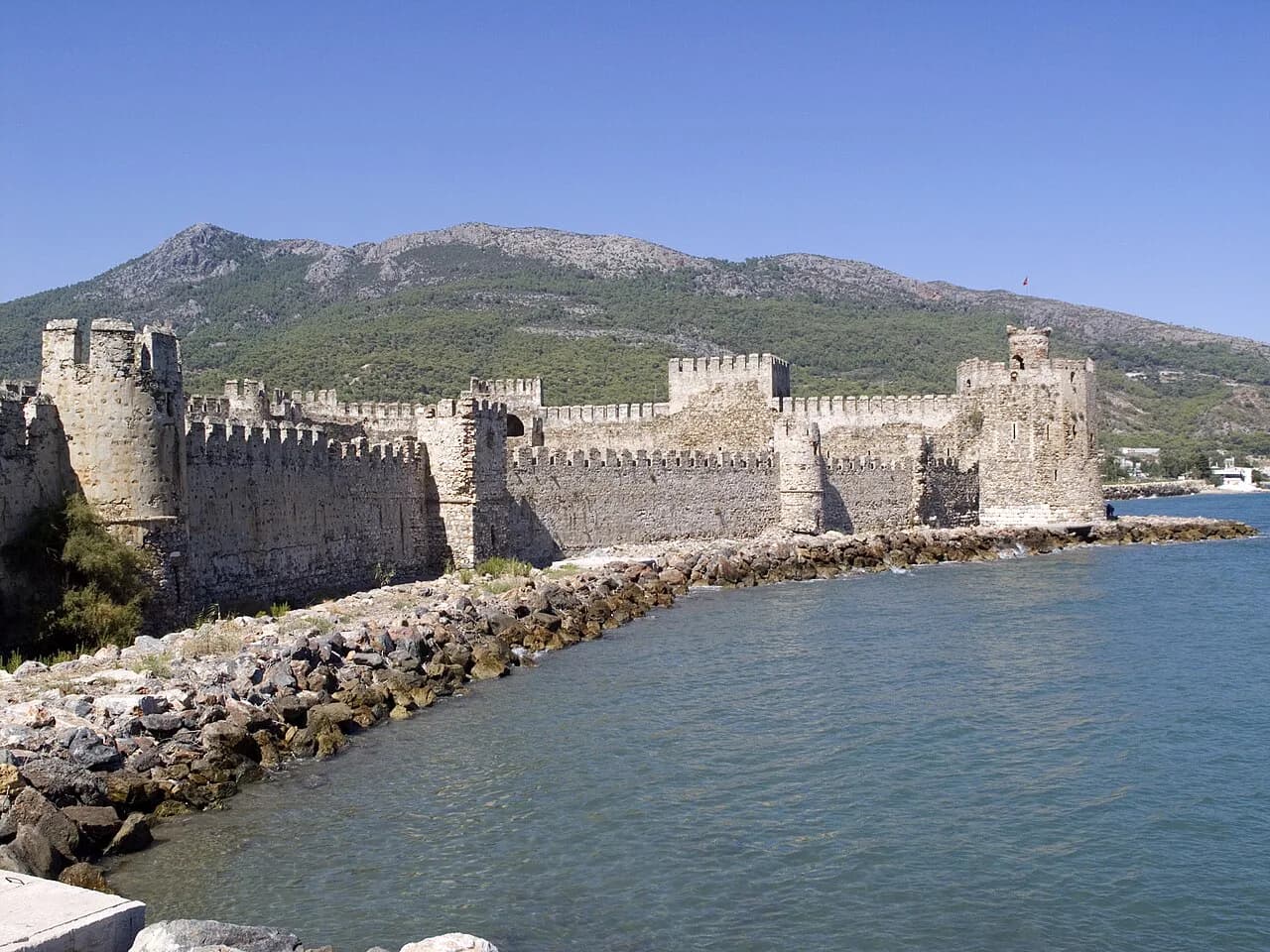
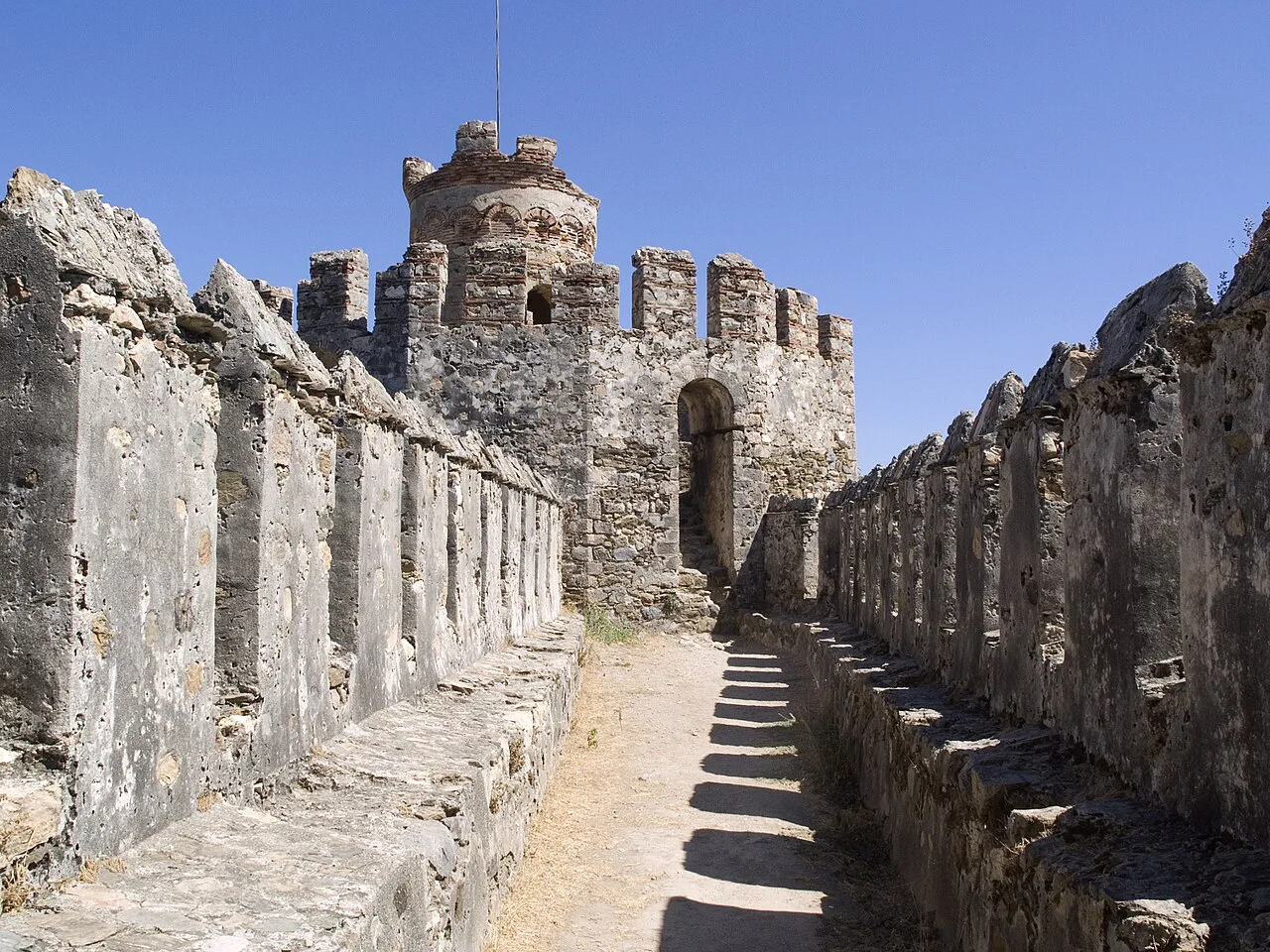
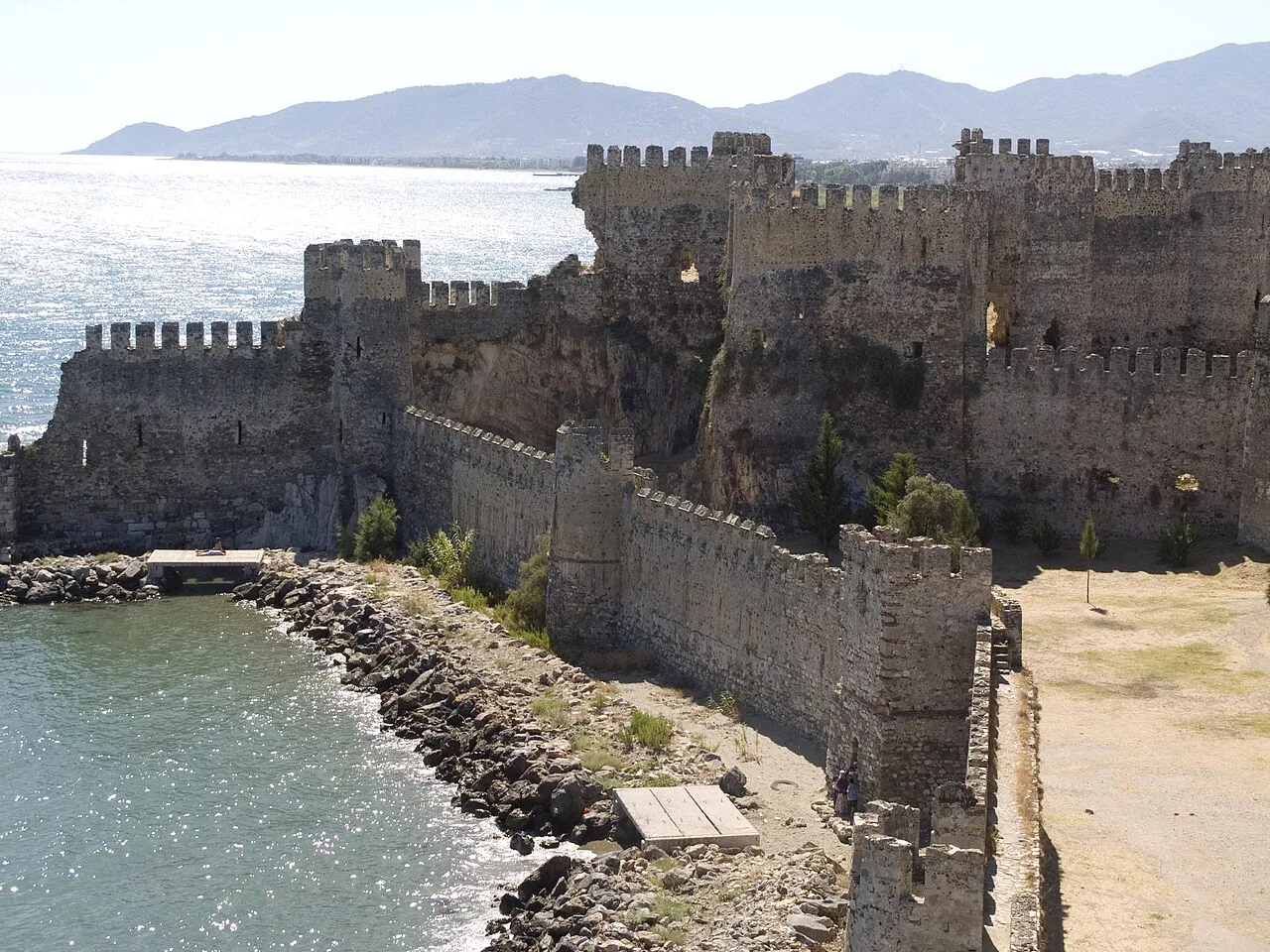
Mamure Castle (Mamure Kalesi) stands on the coast beside the Mersin–Antalya road, 6 km south-east of Anamur, on a site covering 23,500 square metres. Go here first if you have limited time: the complex is one of the best-preserved on the south coast and the towers, walls and battlements are still standing. The provincial tourism office describes it as resembling a caravanserai, with a single inscription on the outer wall dated 1450, from the time of Karamanoğlu İbrahim.
The castle is not a single-period build. It was constructed by the Romans in the 4th century AD, enlarged under the Byzantines and the Crusaders, taken by the Seljuk sultan Alaaddin Keykubat in 1221 and rebuilt in its present form, then passed to the Karamanoğulları and the Ottomans. Read it in that order and the mixture of masonry, moat and towers makes sense. In the early Middle Ages the site was a pirate base, which explains the emphasis on sea defence.
How long Mamure Castle takes
Allow around an hour to walk the walls, look down into the moat and climb the towers; photographers will want longer, since the battlements and towers are the classic viewpoints. Look for the small mosque in the courtyard, which forms a deliberate contrast with the old walls around it. The site is outdoors with little shade, and this stretch of coast is exposed and windy, so a hat and a windproof layer earn their place even in summer.
No ticket price or opening hours for the castle are published in the material used here, so confirm both at the gate or through the Mersin provincial culture and tourism office before setting out. Plan for the castle and Anemurium as two stops in one outing, since neither should be skipped in favour of the other.
Anemurium, the ancient city
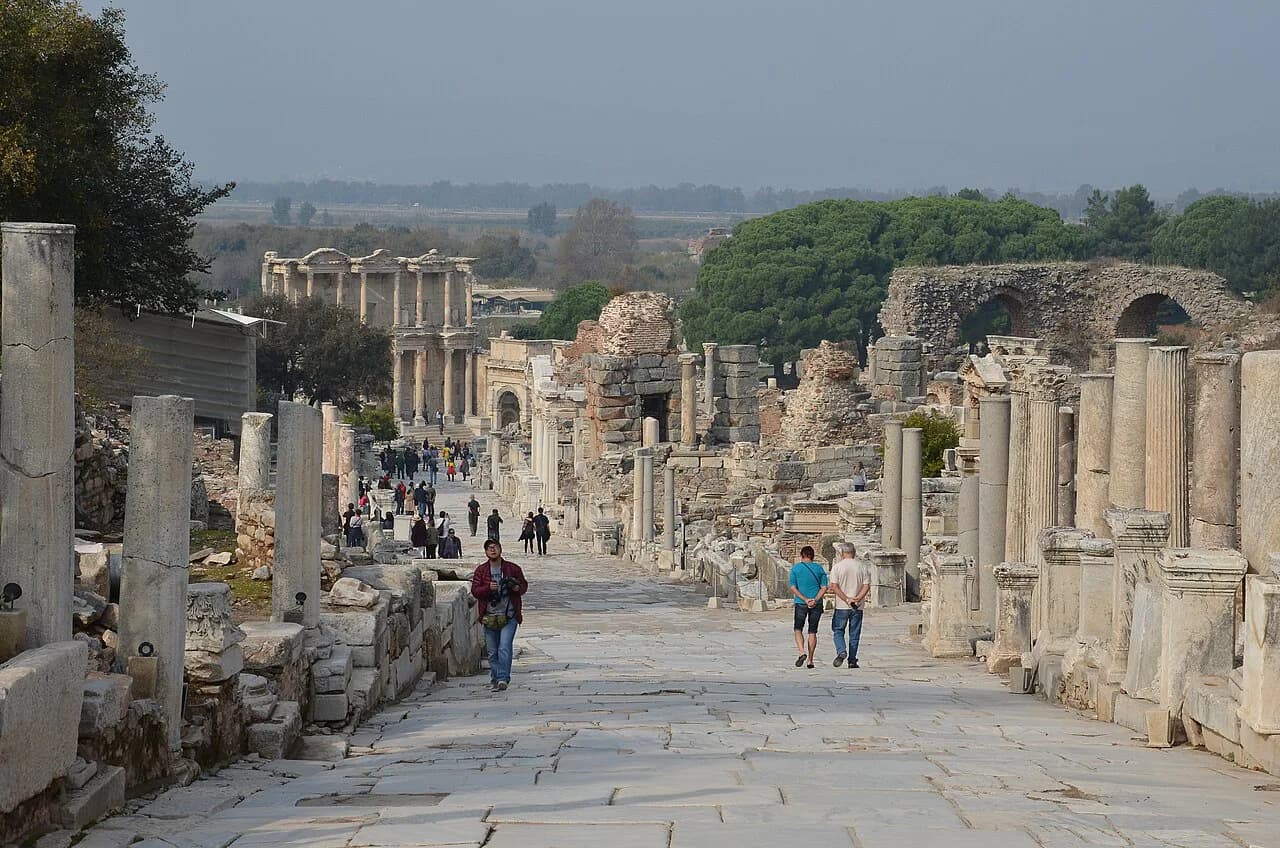
Anemurium is the ancient city beside the modern town and a distinct site from the castle, so budget separate time for it. The provincial tourism office links the district name Anamur to the old name Anamorium, meaning windy Cape. The ruins include mosaics with mythological scenes, plant and geometric patterns and human figures, along with inscriptions, milestones and sculpture from the Hellenistic, Roman and Byzantine periods.
What makes Anemurium unusual is its water supply. The Dragon River (Dragon Çayı), about ten kilometres away, was dammed and the water carried to the city and the castle by channels, an engineering feat in its own right. The same system is still used today to irrigate the fields around Anamur, which is why you drive past bananas, strawberries and peanuts on the way in.
The Anamur Museum and its closure
The Anamur Museum is closed to visitors for technical reasons, according to the provincial culture and tourism office, and no reopening date is given. Do not build a day around it. Its holdings include gold objects from the Anamur necropolis, a bronze Athena and mosaics from the local excavations, plus Yörük kilims in the ethnography section.
If you are travelling specifically for museum collections, the wider Roman ruins in Turkey give you alternatives where sculpture and mosaics are on display. Treat Anamur as a castle-and-countryside stop and check the museum's status again closer to your trip.
Strawberries, bananas and peanuts
The farmland either side of Anamur is part of the sightseeing. The old channels from the Dragon River still water fields where strawberries, bananas and peanuts grow, a crop mix that tells you how mild and sheltered this corner is. Driving between the castle and the ancient city, you pass the same water system that fed Anemurium, which is a neat way to connect the ruins to the working landscape around them.
Practical points for the visit
Both main sites are outdoors, on an exposed and windy coast, so plan around the weather rather than the clock. Morning is the cooler window for walking castle walls and open ruins, and the wind that gives Anamur its name can make the shoreline feel fresh even in high summer. Carry water; facilities at the sites are limited.
No admission prices, opening hours or guided-tour costs for either site appear in the published material, so leave room in the budget and confirm on arrival. The castle and Anemurium are close enough to combine in one outing, and the drive between them is short.
Where Anamur fits in a wider trip
Anamur works best as a stop on a coast drive rather than a destination in itself. The regional tour guide puts Alanya 120 km to the east of the town, while the provincial tourism office gives Mersin as 230 km away, so it slots into a route between the western Riviera resorts and the eastern Mersin coast. If you are basing yourself in the western resorts, it is a long but rewarding day out; an overnight makes it comfortable.
Travellers touring the country's Roman and Byzantine remains will find Anamur complements the better-known sites further west, where paved paths and coach parties are the norm. Here the ruins are quieter and the setting more agricultural. Pair it with the wider Turkish Riviera itinerary if you want castles and coast in the same week.
Is Anamur worth the detour?
Yes, if you are already driving this stretch of coast. Mamure Castle alone justifies the stop, and Anemurium adds a second, quieter site plus the story of the Dragon River channels that still water the banana and strawberry fields. Come for the castles and countryside, not for the museum, and give yourself a night rather than squeezing the 265 km from Antalya into one day.
Check ticket prices at the gate, and treat the castle as an outdoor half-day with wind protection and water. If your route runs from Alanya to Mersin, Anamur is the natural pause in the middle.
Explore more Turkey guides
Sources
Notes for your next Turkey trip
Optional updates when we add or correct a town guide.
You might also like
Continue reading
More guides you'll find useful