Turkish Villages to Visit: What Each One Is Like
Turkish villages worth a detour, from Şirince near Ephesus to Uçhisar in Cappadocia, with what a village visit involves, the food to expect and where you can stay.
On this page
A Turkish village visit works best as a half-day detour bolted onto an ancient site or a resort stay, not as a destination in its own right. Villages cluster near the places you are already going: Şirince above Ephesus, the small settlements around Göreme and Uçhisar in Cappadocia, Faralya behind Fethiye, Behramkale by Assos and Ayder in the Black Sea hills. This guide groups them by region, explains what a visit actually involves, and covers food, tea etiquette, overnight stays and what to bring.
What a Turkish village visit is like
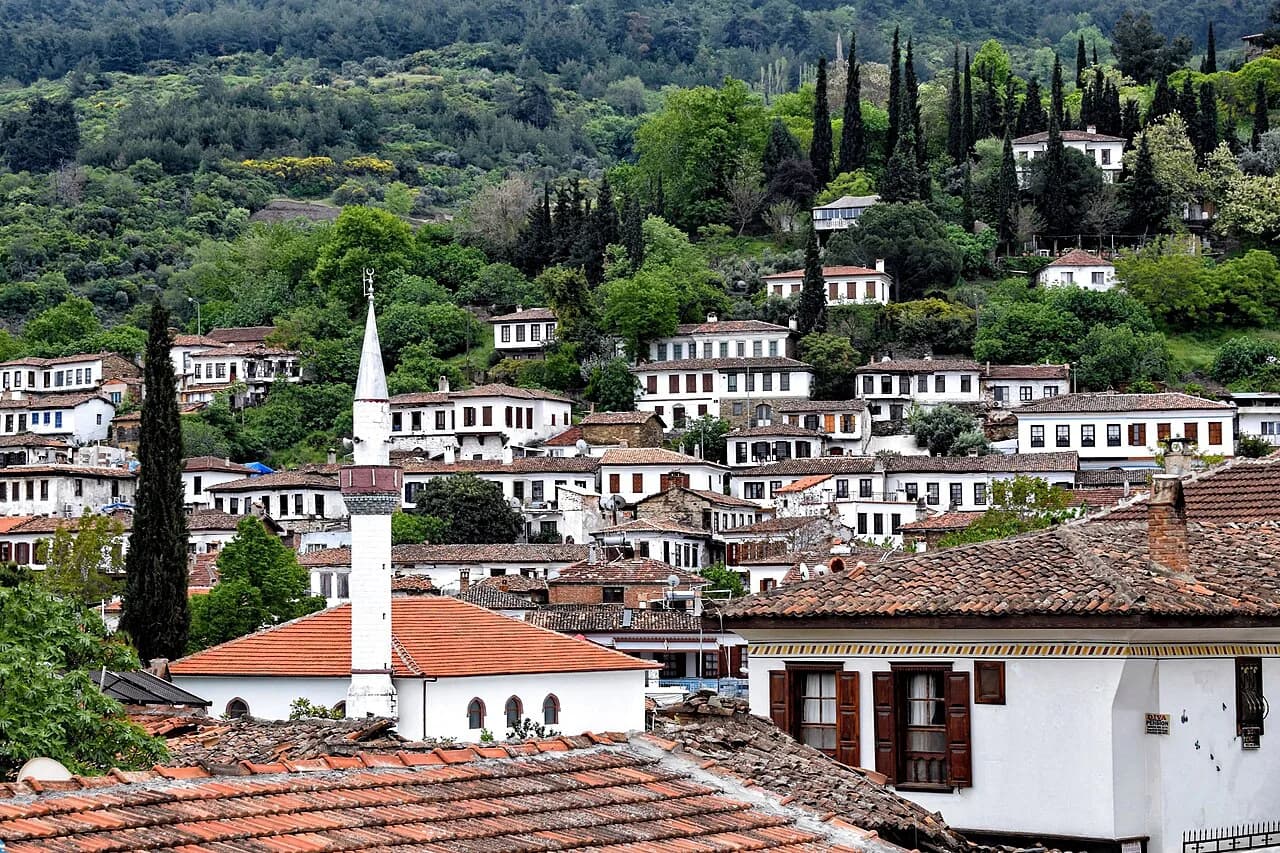
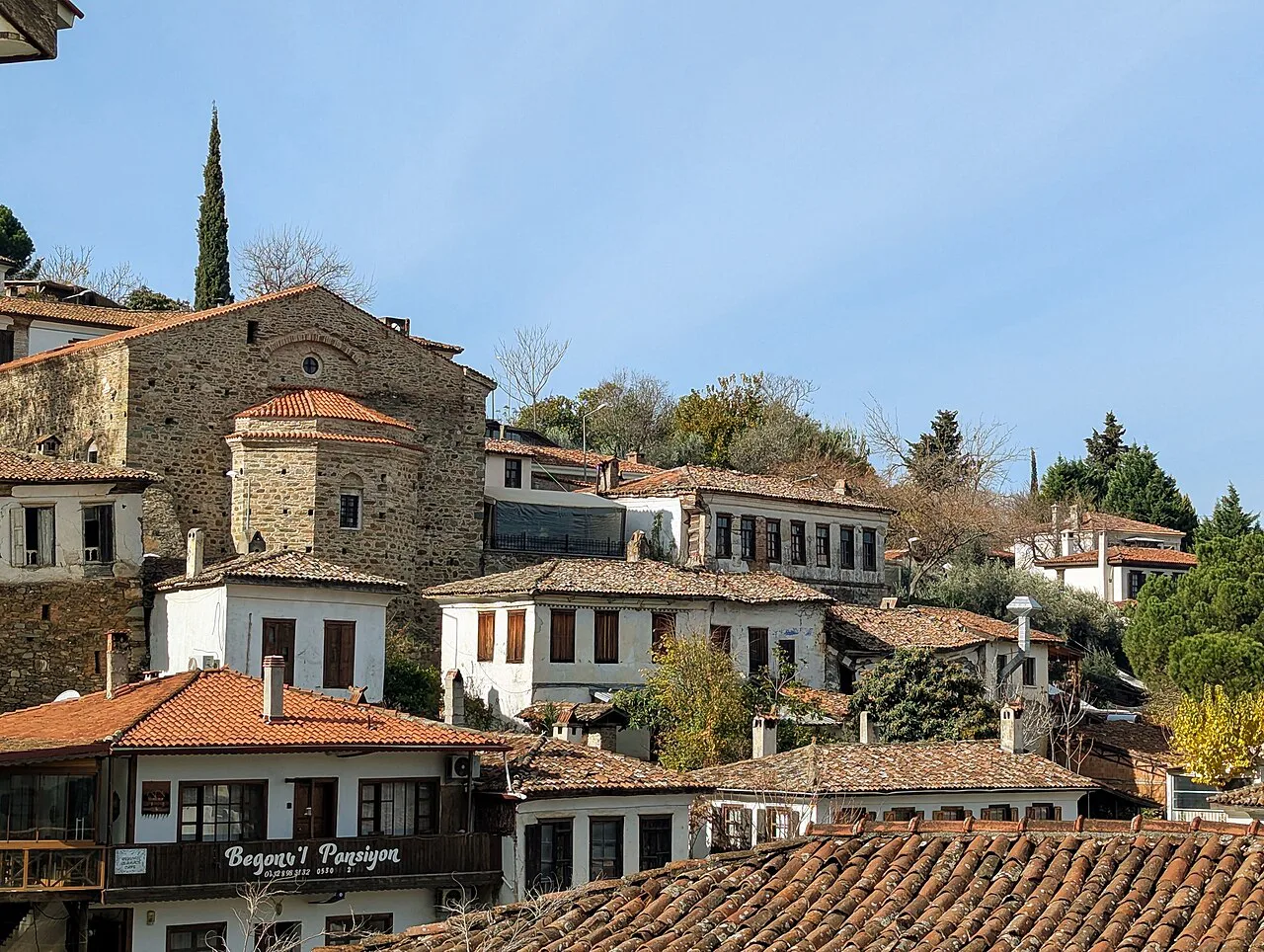
Most villages sit among green hills, farms and orchards of fruit trees, with stone or brick houses under red or brown roofs. Mornings bring cows out and chickens into the street, and the pace is slow rather than staged. Expect a welcome of "hoş geldiniz" from people going about their day, which is warm but also a working environment rather than a visitor attraction.
Village life runs on family and neighbourly help, with several generations often sharing a house and the oldest usually leading it. Work means farms, gardens, animals or a small shop, and the day starts early. That rhythm is what you are coming to see, so plan a village for the morning or late afternoon rather than the dead middle of a summer day.
Villages grouped by the site or coast they sit near
The practical way to choose is by the ruins or resort you are already visiting. Şirince serves Ephesus, the villages outside Göreme and Uçhisar sit in Cappadocia, Faralya is within reach of Fethiye, Behramkale stands by Assos with stone houses and ancient ruins nearby, and Ayder is a Black Sea mountain village of wooden houses and fresh air. Each works as a stop of a few hours, and Faralya and Behramkale justify a night if you want the evening quiet.
What are some small villages in Turkey worth visiting? The names that come up most for village atmosphere are Şirince above Ephesus, Uçhisar and the settlements around Göreme in Cappadocia, Faralya near Fethiye, Behramkale by Assos, Ayder in the Black Sea hills, and the Aegean group of Doğanbey, Akköy, Güllübahçe and Selimiye. Each is small, and the best pick depends on which ruins or coast you are already visiting.
Do I need a tour to visit a Turkish village? No. Villages sit on ordinary roads and you can drive or take local transport to most of them, though you will need to confirm minibus times with your accommodation or the local operator.
Is it acceptable to stay with a family in a village? Yes, many villages have small guesthouses and homestays where you eat with the family and sleep in simply furnished rooms with handmade carpets and wooden furniture. Arrange it directly and confirm what meals and facilities are included when you book.
On the Aegean side, travellers pass around a short list of small inland and coastal villages: Doğanbey, Akköy, Güllübahçe and Selimiye. Güllübahçe is the one tied to a major ruin, sitting near Priene, which makes it the obvious add-on for a day built around that site. Treat the list as a starting point for your own routing along the Aegean coast rather than a ranking.
For Cappadocian village atmosphere, Uçhisar is the name that defines itself by the rock that looms over it, and the smaller settlements around Göreme give you a village morning without leaving the region. Şirince, though, belongs to the Ephesus hills rather than Cappadocia: it is praised for its setting among vineyards, so keep it with the Ephesus side of your trip.
Şirince and the Ephesus side
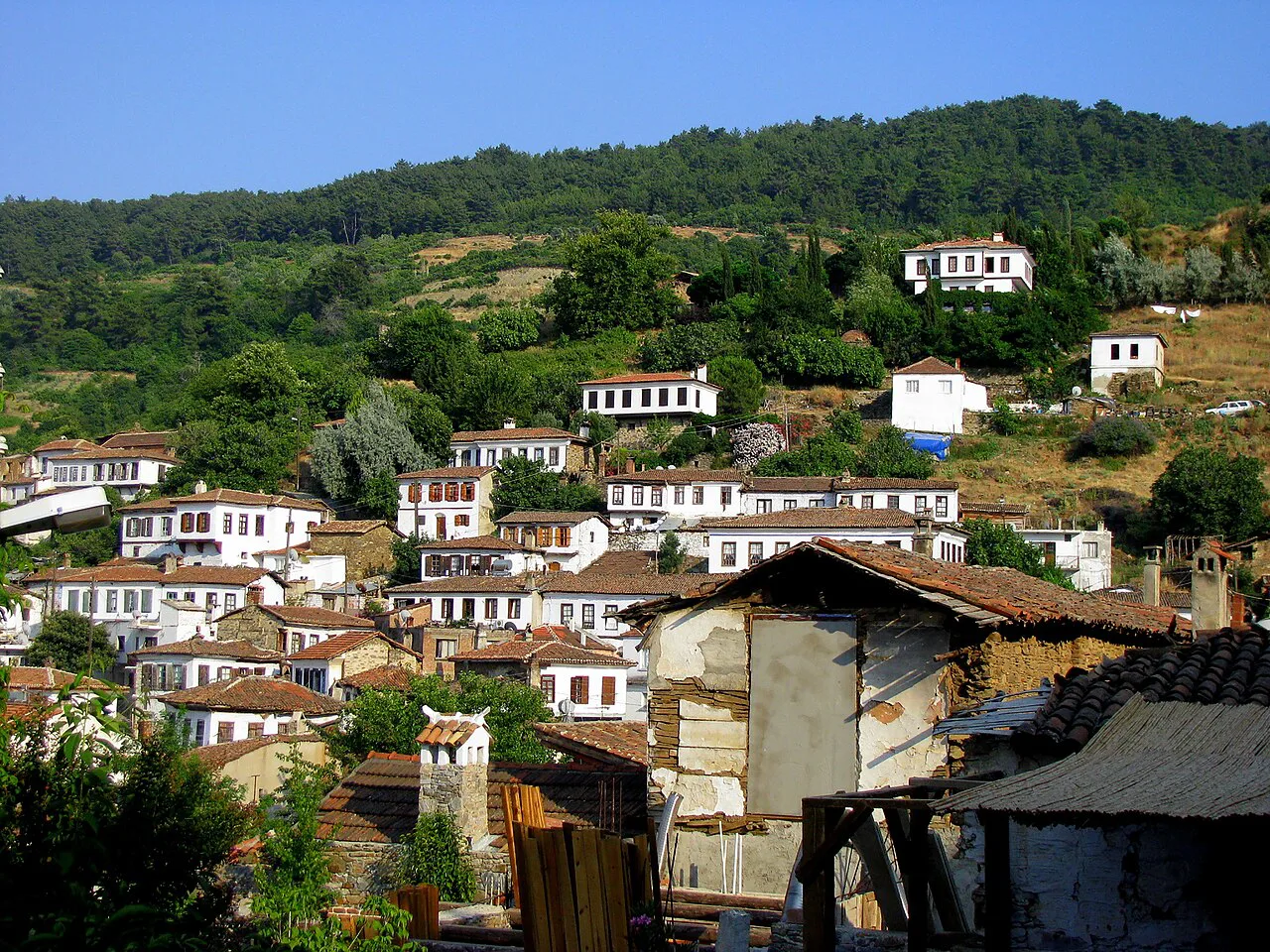
Şirince sits in hills and vineyards above the Ephesus plain, which makes it a natural afternoon after a morning at the ancient city. The combination works because the village is slower and greener than the ruins, so build the day the other way round if you want the ruins cooler and the village at dusk.
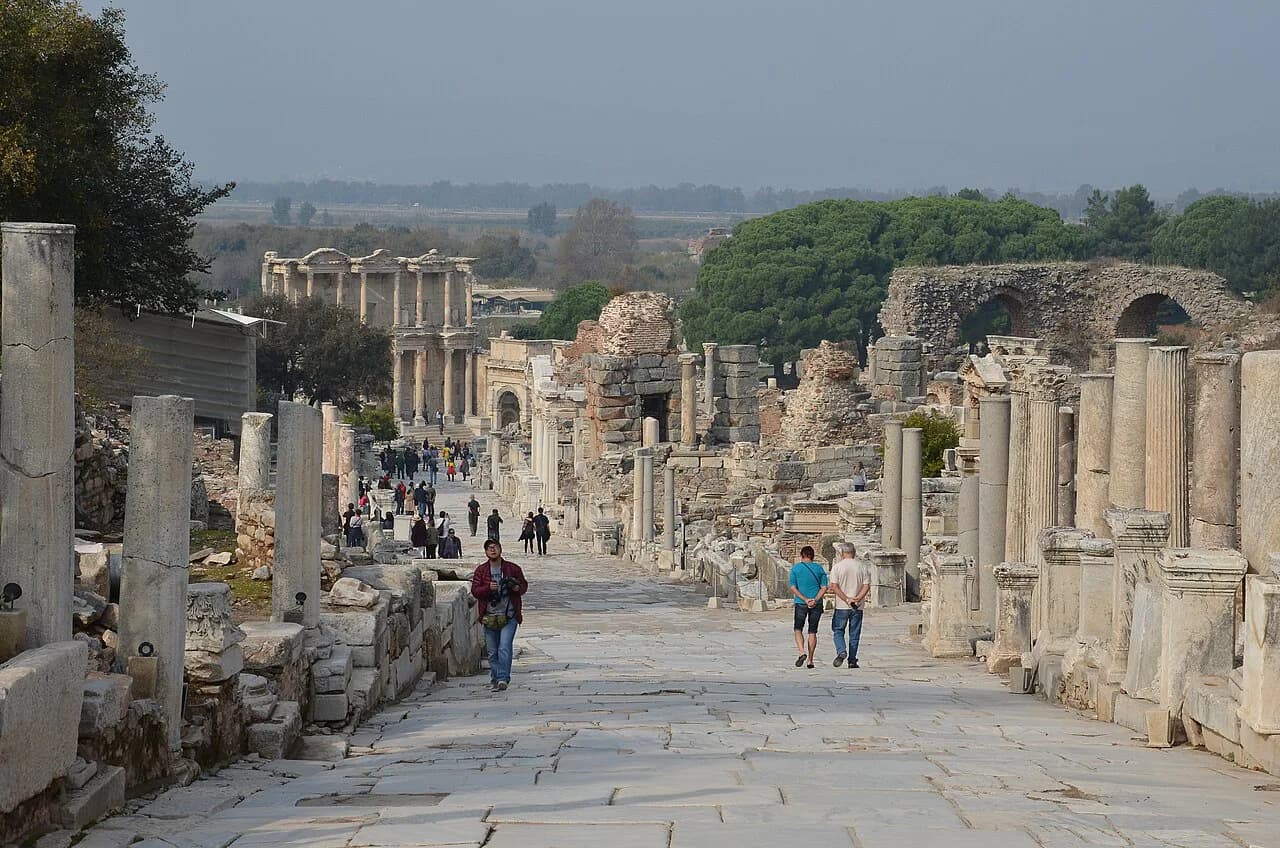
If your main reason for the region is the archaeology, pair the village stop with a proper look at the Roman ruins in Turkey and the rest of the Ephesus site. Village experiences in this area are also sold as guided day trips, so you can book a cultural day that bundles the ruins and a village visit if you would rather not drive yourself.
Cappadocia villages: Göreme and Uçhisar
In Cappadocia the village experience comes with the landscape attached. The settlements outside Göreme are the quiet counterpoint to the tour buses working the viewpoints, and Uçhisar's identity is its rock, visible from much of the surrounding valley. A morning in either gives you stone lanes, courtyards and tea stops between the early balloon hour and the afternoon heat.
Cappadocia rewards staying put rather than day-tripping in from the coast, so treat a village as part of a multi-night stay in the region. The settlements around Göreme are the quiet counterpoint to the tour buses working the viewpoints, and comfortable shoes matter once you are walking the uneven stone and dirt paths between them.
What you eat in a Turkish village
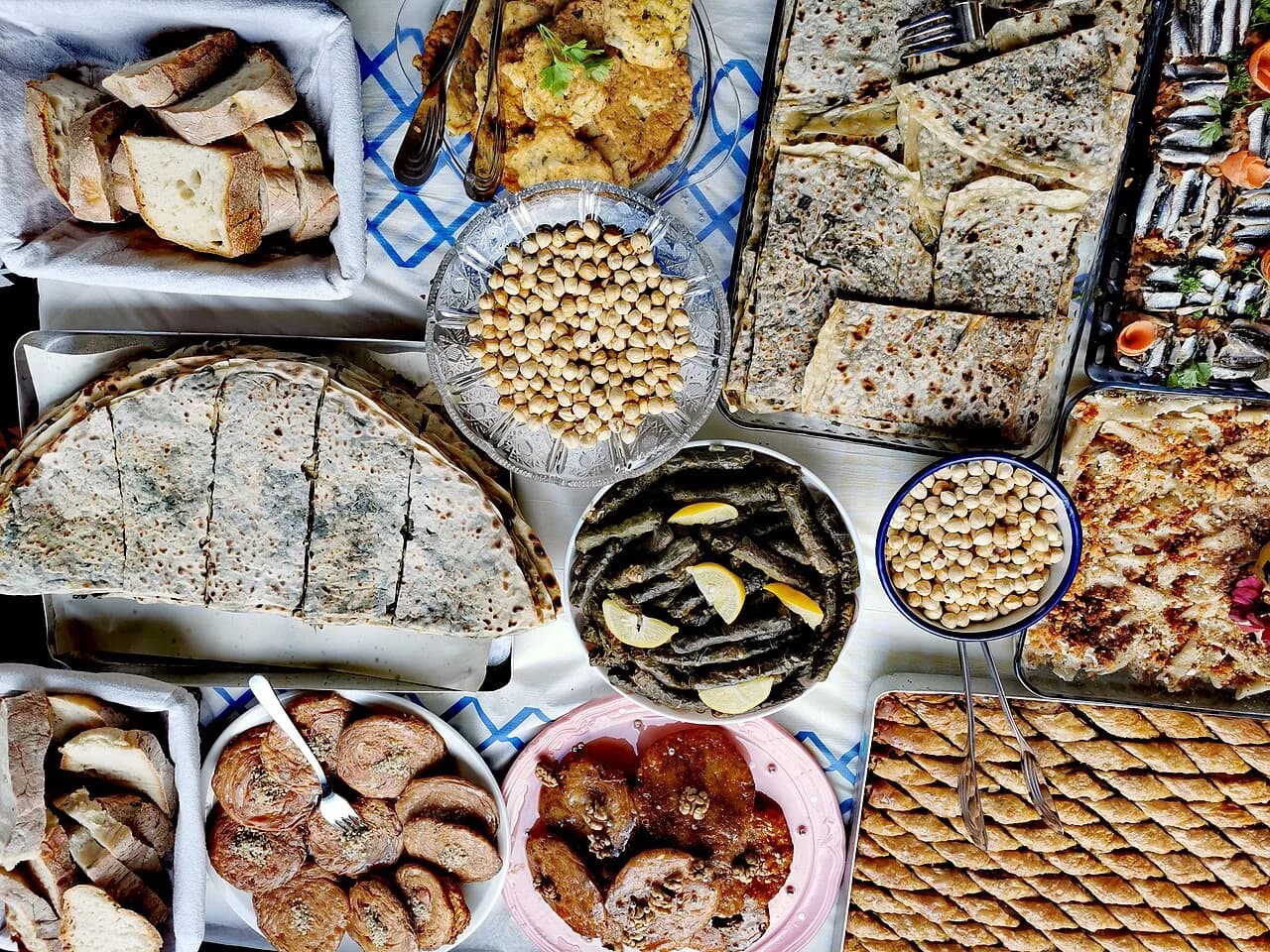
Village food is garden-to-table without the label: vegetables, fruit, olives and cheese from the immediate area, cooked by hand and unhurried. Expect gözleme, the flatbread filled with cheese or herbs and cooked on a griddle, tarhana soup made from yogurt and tomato, plus olives, cheese, dried fruit and nuts. Fresh figs and pomegranates appear when they are in season.
Some operators sell food-focused village experiences where you watch and join the making of these dishes, which suits travellers who want the cooking explained rather than just served. Otherwise, eat where you see food being made, or ask about a village breakfast of cheese, olives, bread and tea.
Tea, hospitality and etiquette
Tea is the social currency of a village and is offered to every guest as a sign of care and welcome, sometimes by someone you have only just met. Accept it. Refusing is the one move that reads as cold, and sitting for a glass of tea is usually the whole point of the visit.
Beyond tea, the etiquette is simple: dress modestly in smaller places, greet elders, and thank your hosts in Turkish with "teşekkür ederim". Visitors report villages as calm and safe with crime very rare, so the main consideration is respect rather than security. A scarf or light cover is worth carrying for a mosque visit.
Can you stay overnight? Guesthouses and homestays
Yes. Many villages have small guesthouses and homestays, usually quiet and simple, with rooms furnished with handmade carpets and wood furniture and meals eaten with the family. That is a different trip from a half-day stop: you get the evening and early morning, but you trade resort comforts for a basic room and a fixed family routine.
The villages named for overnight stays are Faralya near Fethiye, with sea and mountain views, Behramkale by Assos, and Ayder in the Black Sea area. Faralya suits a Turkish Riviera itinerary, while Behramkale puts Assos and its ruins on your doorstep. Book through the property directly and confirm the room and meal arrangement before you commit.
Getting there and what to bring
Villages are reached by road, usually as a short drive from the nearest town or ancient site, and many visitors arrive on an organised day trip rather than working out local transport. Published departure times and minibus timetables change with the season, so check the schedule with your accommodation or the local bus operator before you set out.
Pack light clothes plus layers, because the weather shifts through the day, and comfortable shoes for dirt paths. Carry a scarf or light cover for mosques, sunscreen and a hat in summer, and cash, since card acceptance is patchy in smaller places. A small gift is a kind gesture if you are staying with a family, though it is not expected.
How long a village visit needs
A half-day covers a village comfortably: tea, a walk through the lanes and a meal, with time to reach the nearest ancient site afterwards. An overnight stay is the better choice if you want the quiet hours, a family dinner and a morning before the day visitors arrive. Villages rarely need more than that, so spend your extra days on the region's ruins instead.
Sequence the day around heat and crowds. Do the exposed archaeological site early, then the village for lunch and shade, or reverse it if you are staying nearby. For a broader look at how these stops fit a longer itinerary, the ancient sites in Turkey guide groups the major ruins by region, and the Aegean coast of Turkey page covers the resort towns between them.
Which village fits your trip?
Pick one village tied to a place you are already visiting: Şirince with Ephesus, Uçhisar or the villages around Göreme in Cappadocia, Güllübahçe with Priene, Faralya with Fethiye, Behramkale with Assos, Ayder in the Black Sea hills. Choose a half-day stop unless you want the evening, in which case book a village homestay and confirm the details directly.
Explore more Turkey guides
Frequently Asked Questions
What are some small villages in Turkey worth visiting?
The names that come up most for village atmosphere are Şirince above Ephesus, Uçhisar and the settlements around Göreme in Cappadocia, Faralya near Fethiye, Behramkale by Assos, Ayder in the Black Sea hills, and the Aegean group of Doğanbey, Akköy, Güllübahçe and Selimiye. Each is small, and the best pick depends on which ruins or coast you are already visiting.
Do I need a tour to visit a Turkish village?
No. Villages sit on ordinary roads and you can drive or take local transport to most of them, though you will need to confirm minibus times with your accommodation or the local operator. Guided day trips that combine a village with nearby ruins are widely sold if you prefer not to arrange transport yourself.
Is it acceptable to stay with a family in a village?
Yes, many villages have small guesthouses and homestays where you eat with the family and sleep in simply furnished rooms with handmade carpets and wooden furniture. Arrange it directly and confirm what meals and facilities are included when you book.
What should I wear in a Turkish village?
Dress simply and modestly, especially in smaller places, and bring layers because the weather changes through the day. Comfortable shoes for dirt paths, a scarf or light cover for mosques, and cash for purchases that cannot be paid by card cover most situations.
Sources
Notes for your next Turkey trip
Optional updates when we add or correct a town guide.
You might also like
Continue reading
More guides you'll find useful