Turkish Markets: Bazaars, Weekly Pazars and What to Buy
Turkish markets range from historic bazaars to weekly neighbourhood pazars. Here is how they differ, what they sell and how bargaining and fresh produce work.
On this page
The Turkish market most visitors picture is the covered bazaar, and it is the one to build a half-day around: Ulu Çarşı in Bursa, Kemeraltı in Izmir, the Grand Bazaar and Spice Bazaar in Istanbul. Alongside those sit the weekly neighbourhood pazars, where locals buy fruit, vegetables, cheese, olives and clothes, and the small family grocery shop that Turks also call a market. This guide separates the three, names the bazaars and pazars worth planning into a resort break, and covers what to buy, how bargaining works and what to carry.
Prices are the part to hold loosely. Fresh produce at a pazar moves with the season, and lira inflation in the 2020s has changed what a bag of shopping costs from one year to the next, so treat any figure you hear as a snapshot rather than a rule. Ask at the stall, pay in cash where cards are not taken, and check the day's rate before you set out.
Bazaar, pazar or grocery 'market': three different things
A bazaar is the permanent, often covered shopping quarter, built around streets of stalls and small shops and aimed at both locals and visitors. A pazar is the weekly or twice-weekly open market, usually set up in a neighbourhood square or street on a fixed day, selling produce first and everything else second. Confusingly for British shoppers, the small family-run grocery on the corner is also called a market in Turkish, so if you ask for the market you may be sent to a shop rather than a produce market.
Knowing which one you want shapes the trip. The bazaar is a browsing and souvenir stop you can fold into a city day; the pazar is a morning errand that doubles as a food experience, best done early before the crowds and the heat build. The grocery shop is where you top up water, yoghurt, olives and bread for a self-catering stay.
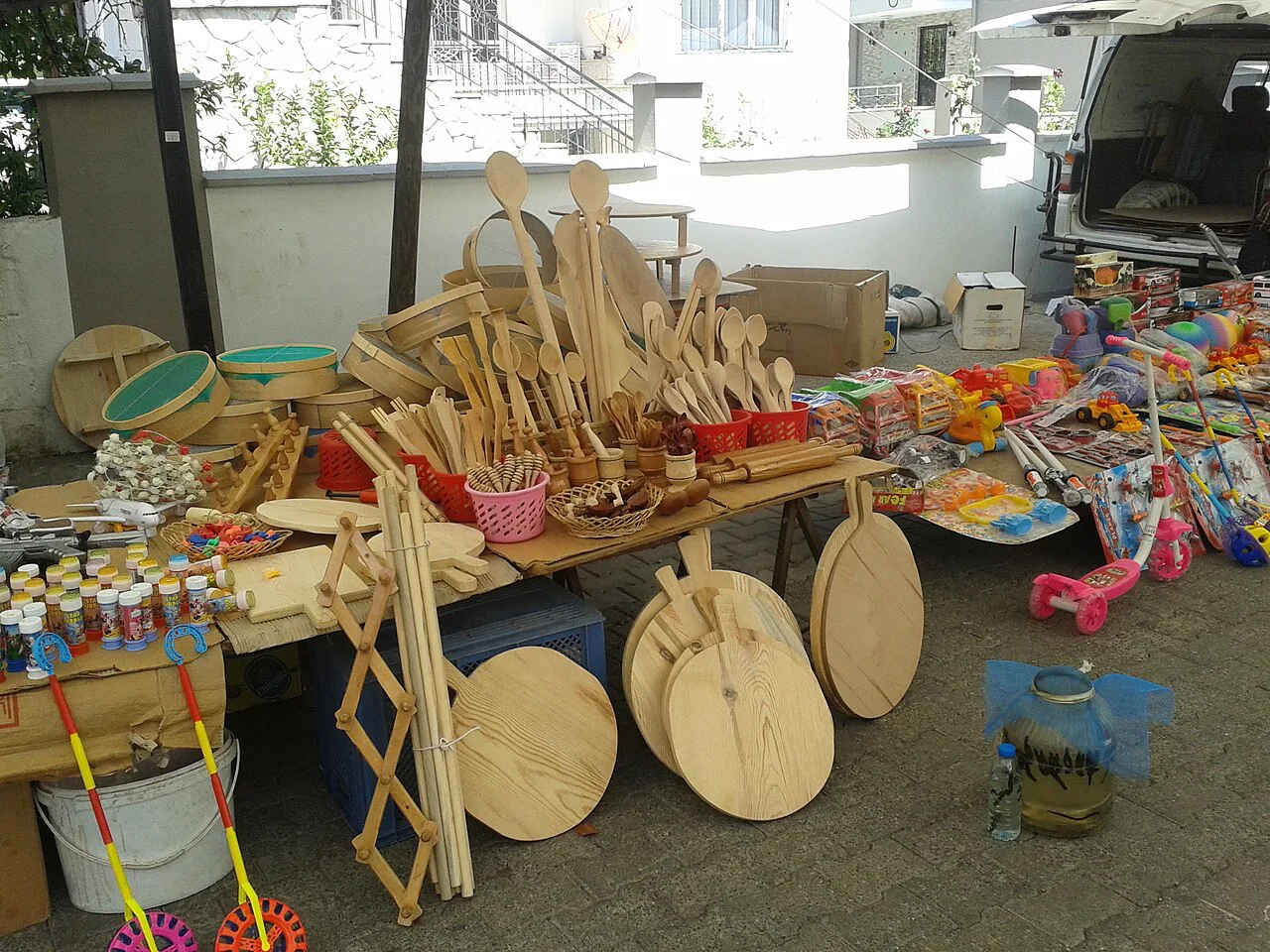
The historic bazaars worth building a day around
In Istanbul the Grand Bazaar and the Spice Bazaar are the two that most visitors already know. Bursa has Ulu Çarşı and Izmir has Kemeraltı, named among Turkey's most historic bazaars alongside the Istanbul two. Give them time and expect to wander rather than tick off stalls.
The goods overlap: spices, Turkish coffee, dried nuts and fruit, baklava, Turkish delight, tea, ceramics, kilim and carpets. Turkish coffee is brewed in a copper or brass pot called a cezve and served in small cups, traditionally with a piece of Turkish delight.
Ceramics are a good souvenir to carry home, and the bazaars stock everything from painted plates and bowls to tiles and lamps. Look for hand-painted pieces and examine the glaze and the rim before you commit. If you want the background on what you are buying, our guide to Turkish ceramics explains the styles and where they come from.
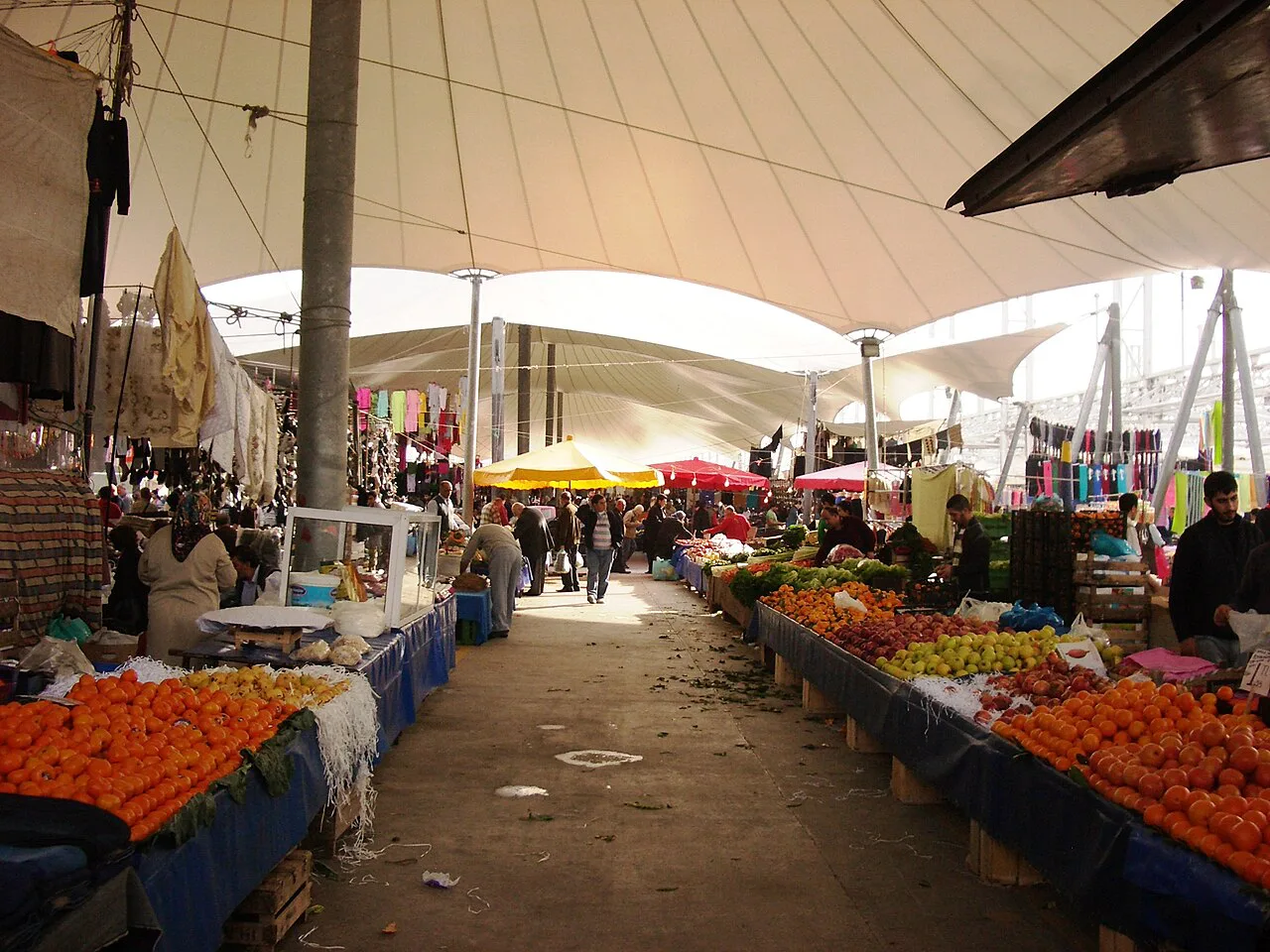
Weekly neighbourhood pazars: produce, clothes and villagers' stalls
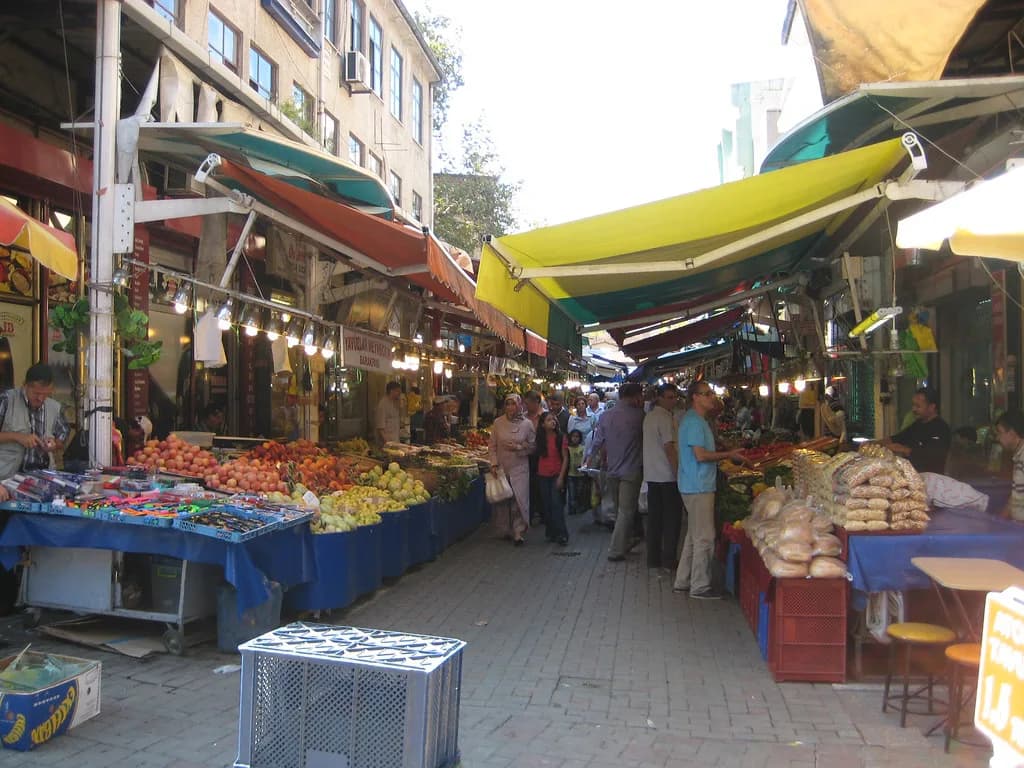
The weekly pazar is the market locals actually shop at, and around Fethiye there is a spread of them: a permanent covered market that also houses the fish market, butchers, a small spice market and coffee kiosks, plus neighbourhood weekly markets and a smaller villagers' market where growers sell their own produce, homemade olive oil and pomegranate molasses. Some neighbourhood markets also carry souvenirs, Turkish delight, clothes and jewellery for visitors, so the mix depends on which one you visit.
Market days differ from place to place, and the reliable way to find yours is to ask at your accommodation or look for the hand-written signs and vans setting up the day before. A pazar starts early, so go in the morning for the best produce and the least heat. Smaller village markets are often the most interesting and the least geared to visitors.
The produce is the point: fruit and vegetables in season, olives, cheeses, yoghurt and eggs, and whatever the growers have brought that week. Buying with the season is a large part of why the pazar still holds its own against the supermarket chains, and the Fethiye-area markets are where the local produce shows up.
What to buy: a shortlist by weight and fragility
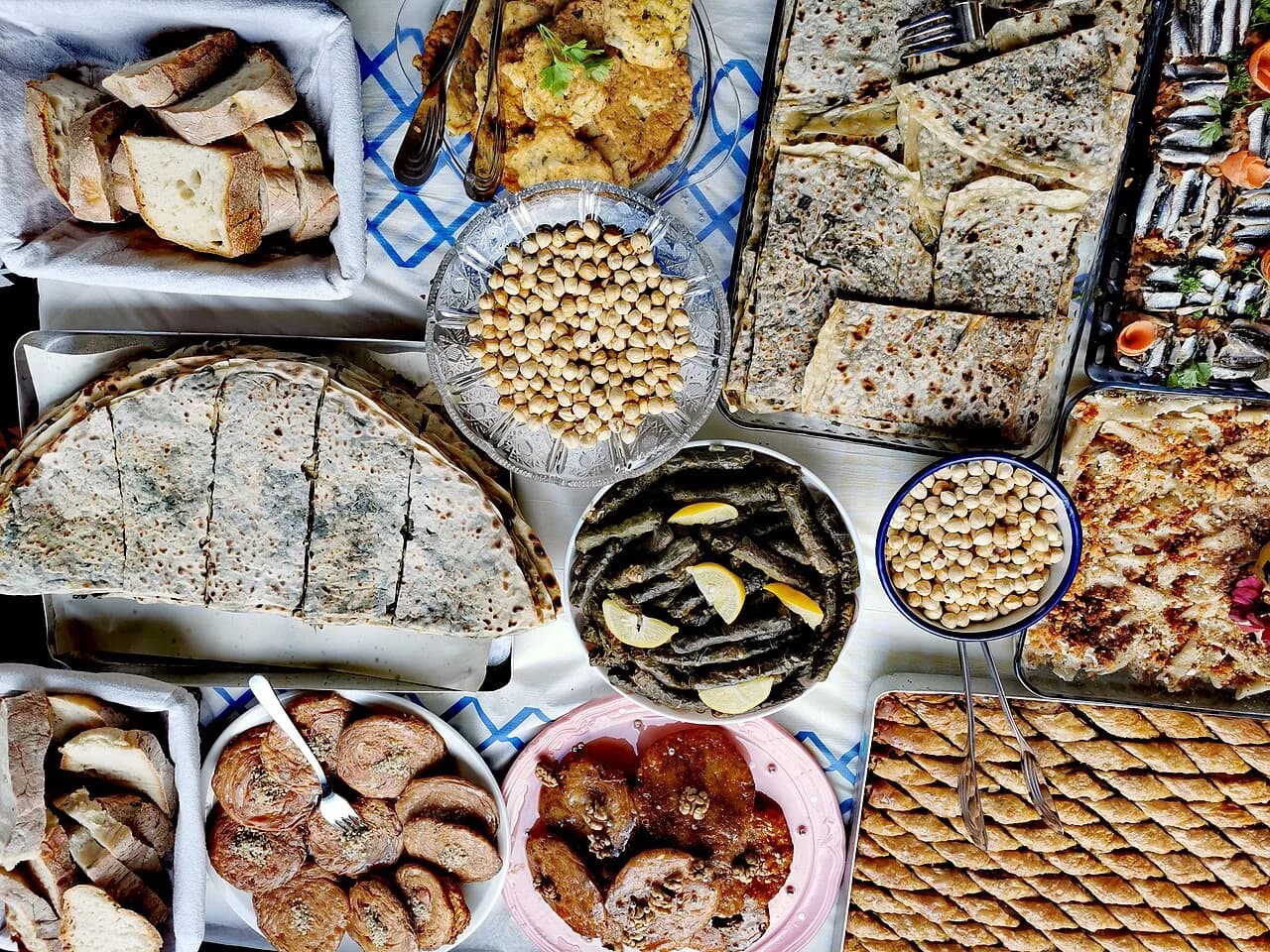
Food is the safe buy. Spices such as cumin, sumac and red pepper flakes, Turkish coffee ground for a cezve, dried figs, apricots, almonds and pistachios, baklava, Turkish delight, black tea and şalgam are all sold in the bazaars. Buy spices and coffee in small quantities, since ground coffee and dried herbs fade, and check that any liquids are within your airline's limits.
Textiles are the heavy, expensive purchase. Kilim rugs and hand-woven carpets are sold in the bazaars, and the materials range from wool and cotton to silk, so inspect the weave and the back of the piece before you discuss a price. Take your time, ask what the material is, and do not buy under pressure on the first stall you see. Our guide to Turkish carpets covers the weaves and dyes behind Anatolian rugs, so you know what you are looking at before you sit down to negotiate.
Small, light souvenirs include handmade ceramics, copper pots, mosaic lamps and boxes of Turkish delight or tea to take home. If you are curious about the blue-glass evil-eye charm you will see hanging in shops and cars, our guide to the evil eye in Turkey explains what it means.
How bargaining works, and where it doesn't
Bargaining is a bazaar practice, not a universal one. In the covered bazaars, especially for carpets, ceramics, leather and jewellery, haggling is normal and expected, and the price you are quoted is a starting point. At a pazar stall, ask the price and pay it; haggling over a bag of tomatoes is not the done thing.
The practical approach is to stay friendly and be prepared to pay the asking price on something you really want. Keep it light and do not let a stall pressure you into buying under a hard sell.
Shops with marked prices, supermarkets and most grocery stores are fixed-price, and the covered market in Fethiye is a mix, with some stalls taking cards and others cash only. Carry cash for the pazar, since card machines are not guaranteed at a stall.
Markets beyond Istanbul to plan into a resort break
Basing yourself on the coast, the nearest bazaar is usually in the biggest town within reach. In the bazaars you can browse spices, coffee, dried nuts, baklava, Turkish delight, ceramics and kilim. For the most historic bazaars you need Istanbul, Bursa or Izmir.
For the full historic bazaar experience you need Bursa or Izmir, both inland from the main resort strip rather than strolls from the beach. If you are staying in a resort, ask locally what market day your town keeps before you plan a beach day around it.
Getting to a pazar or bazaar is usually a dolmuş ride from the resort strip into the town centre, which keeps the trip cheap and avoids parking. Our guide to the dolmuş in Turkey explains how the minibuses work, where they stop and how to pay.
Cash, cards and paying at the market
Cash is the default at a pazar stall, and smaller bazaars and village markets may not accept cards at all. The covered market in Fethiye is an exception where some places take debit and credit cards, so it is worth asking before you assume. Carry a mix of notes and coins, since stallholders may not have change for a large note early in the day.
Check the day's exchange rate before you go and budget in cash for produce, snacks and small souvenirs, keeping cards for the bigger bazaar purchases where the shop is set up for them. If you are unsure what to tip for a bag carried or a taxi back, our guide to tipping in Turkey sets out the conventions.
Etiquette and practicalities: crowds, timing and carrying purchases
Go early and aim to finish before the midday heat. A covered bazaar is cooler than an open pazar, and both get hot in a Turkish summer, so take water with you and plan the shopping for the coolest part of the day.
Carry a sturdy bag rather than relying on flimsy plastic, and keep cash and cards close in a crowded pazar. If you buy ceramics, ask the stall to wrap them properly, and keep liquids and glass in your checked luggage. Heavy carpets and rugs are best shipped or bought from a shop that arranges delivery.
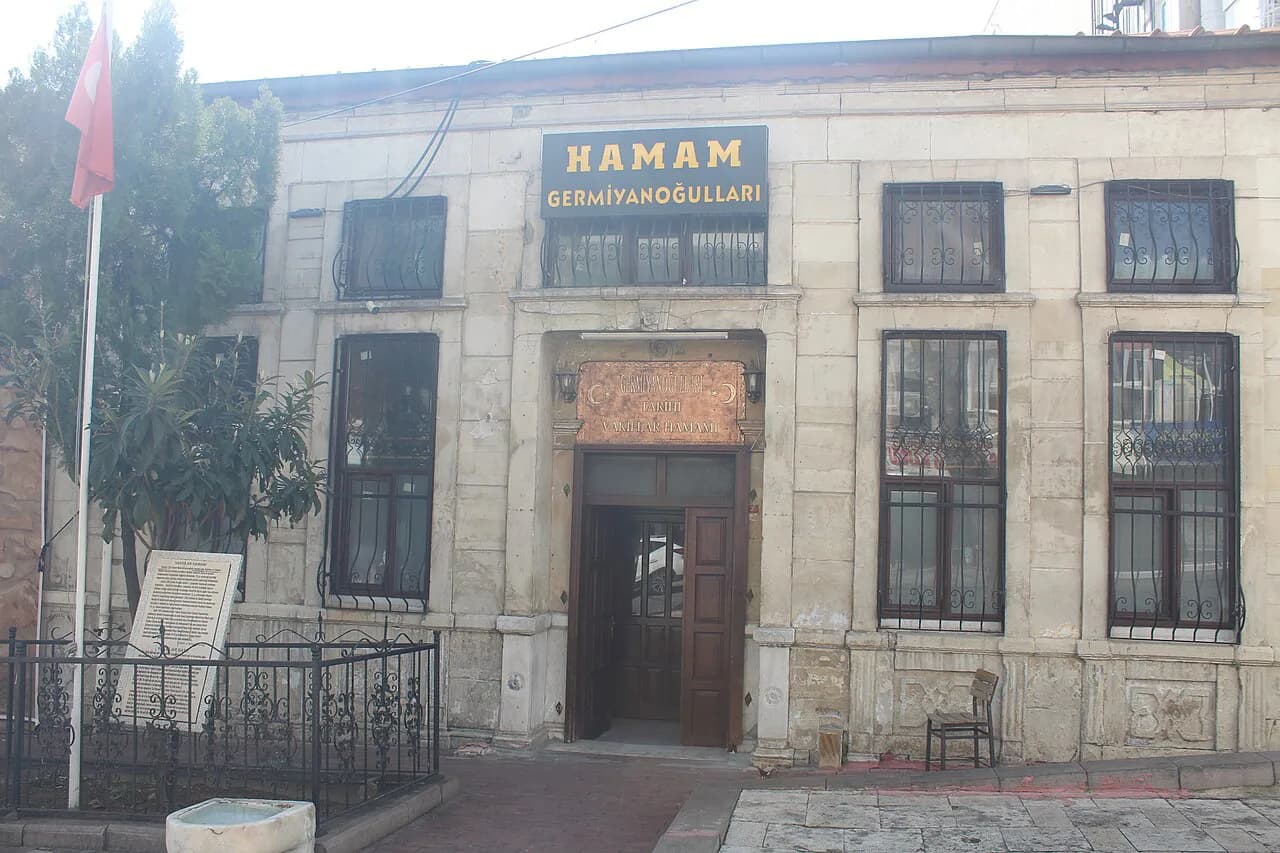
If you are combining a market stop with a hammam visit, book the bath for later in the day and keep the market for the morning. Our guide to the Turkish Bath covers what to expect, so you know what you are walking into.
Which market should you build your day around?
Pick by what you want. For a half-day of browsing and souvenirs, choose a historic bazaar: Ulu Çarşı in Bursa, Kemeraltı in Izmir, or the Grand Bazaar and Spice Bazaar in Istanbul. For a morning of produce, cheese, olives and local colour, find the weekly pazar in the town nearest your resort and go early with cash in hand.
For most resort-based visitors the pazar is the more rewarding stop, because it is where the everyday shopping happens and where the season shows in what is on the stalls. Build the bazaar in as a city day, and leave room in your bag for spices, coffee and a small piece of ceramics.
Frequently Asked Questions
What is the most famous market in Turkey?
The Grand Bazaar and the Spice Bazaar in Istanbul are the two best known, and both are covered bazaars rather than weekly markets. Bursa's Ulu Çarşı and Izmir's Kemeraltı are the other historic bazaars worth planning a day around. Which one suits you depends on whether you want food and sweets or a broader shopping quarter.
What days are the markets on in Turkey?
Weekly pazars are held on fixed days that differ from town to town, and bazaars keep their own opening days. Ask at your accommodation or watch for the stalls and vans setting up the day before, and check locally before you travel, since days can change.
Can I pay by card at a Turkish market?
Cash is the default at pazar stalls and smaller bazaars. Some covered markets, including Fethiye's, have stalls that take debit and credit cards, but it is worth asking before you assume, and carrying cash for produce and small purchases.
Is bargaining expected at every Turkish market?
No. Bargaining is normal in the covered bazaars for carpets, ceramics, leather and jewellery, but pazar produce is usually sold at a set price by weight. Fixed-price shops and supermarkets do not expect haggling.
Sources
Notes for your next Turkey trip
Optional updates when we add or correct a town guide.
You might also like
Continue reading
More guides you'll find useful