Patara, Turkey: Ancient Lycian Ruins and the 18km Beach
Plan a visit to Patara in Turkey: the Roman city gate, council house, theatre and lighthouse, how the ruins and 18km beach fit together, and how to get there.
On this page
Patara is one half ancient Lycian capital, one half 18km sandy beach, and both sit inside a single protected natural park behind the dunes between Kalkan and Kaş. Allow half a day for the ruins alone and a full day if you want the beach too, because the monuments are scattered across the countryside rather than packed into one block. This guide covers what stands at Patara, how to reach it from the coast, and how to pace the visit.
The site matters because of its political history as much as its scenery. Patara became the first capital of the Lycian League in the mid-first century BC and later served as the sole gateway from the Xanthos valley to the Mediterranean, shipping Anatolian wheat to Rome. That port function explains the granary, the colonnaded street and the lighthouse you will see on the ground.
Where Patara sits, and why the layout matters
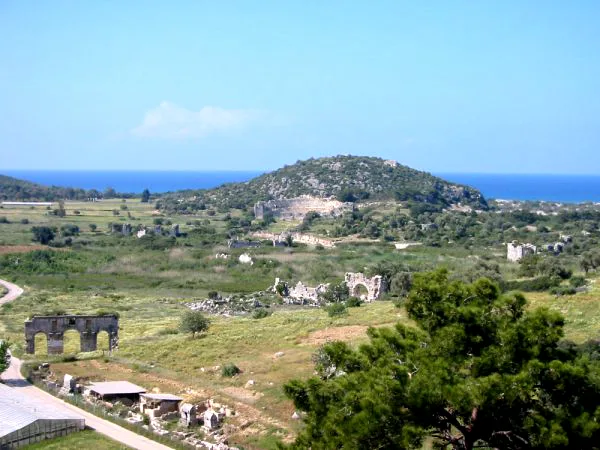
The ruins lie near the village of Gelemiş in Antalya province, on the stretch of coast between Kalkan and Kaş. The ancient city sits behind sand dunes at the mouth of the Eşen valley, with the beach running along its seaward edge. Treat the village as your practical anchor for parking, food and the last stretch of road.
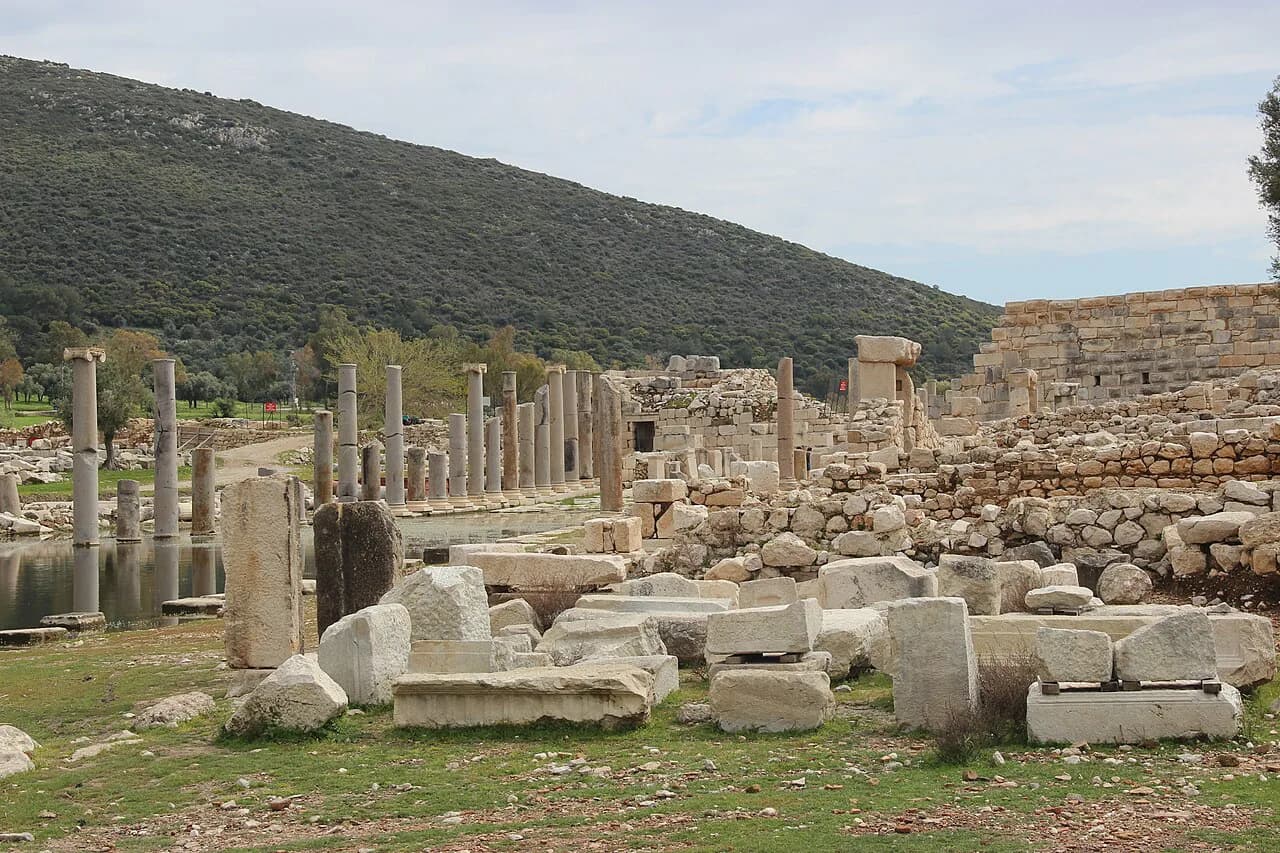
The most useful thing to know before you arrive is that Patara is not one compact set piece. The monuments are spread over open ground, and a map comes with your entrance ticket precisely because the theatre, the council house and the gate are not side by side. Plan your route from that map rather than wandering, or you will double back across exposed sand and rough paths.
Patara is one stop on a coast packed with Lycian sites, and it rewards being seen alongside them. If you are working your way along the Lycian coast, Patara's combination of a full city and a swimmable beach makes it an easy anchor for a day.
Getting to Patara from Kalkan, Kaş or Fethiye
Patara is a road trip, not a stroll from a resort strip. From Kalkan the drive is short along the coastal road towards Gelemiş; from Kaş it is longer but still straightforward; from Fethiye you are crossing a good stretch of the Turquoise Coast, so plan it as a half-day outing rather than a quick stop. A car gives you the most control, since the ruins, the beach and the village sit slightly apart.
Independent travellers and walkers use Patara as a stopover, and the site is reached via the village rather than from a dedicated bus terminal at the gate. Check locally in Kalkan, Kaş or Fethiye for current minibus and dolmuş connections to Gelemiş, since services vary by season. Arrange your return leg before you set out, because the site is rural and you do not want to be stranded after the beach closes.
The 18km beach and the dunes
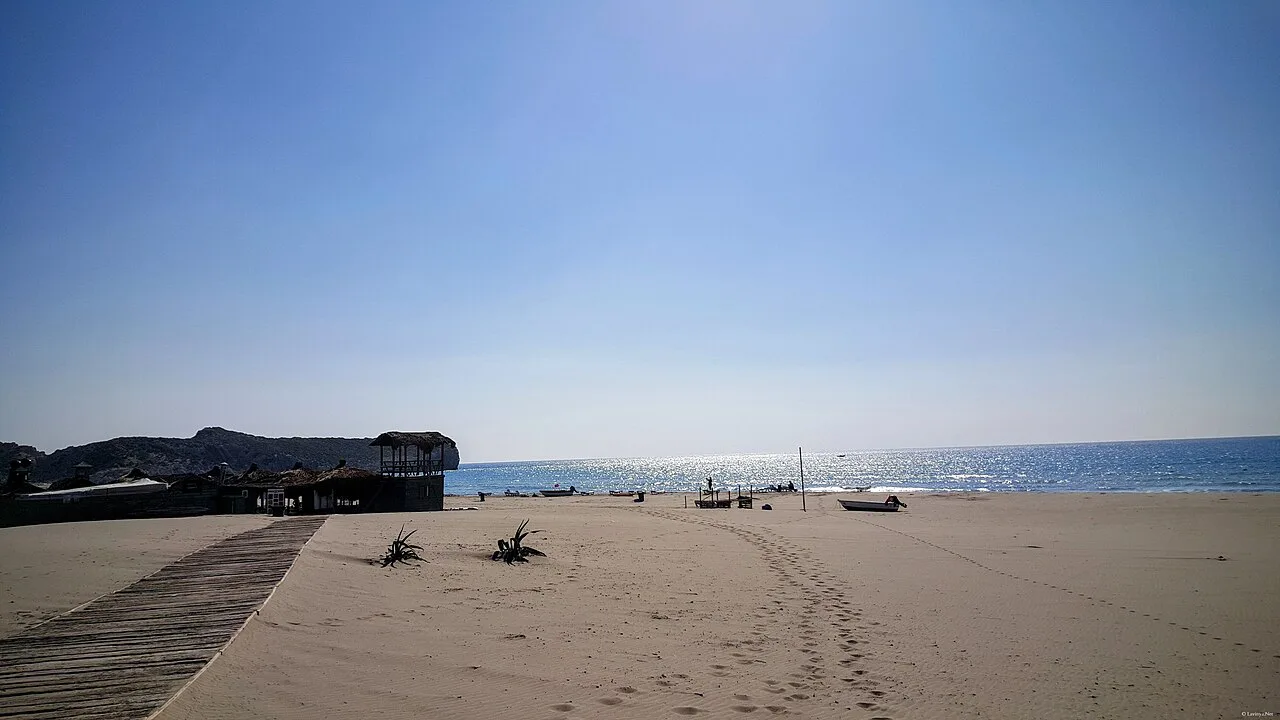
Patara Beach stretches for 18km and is one of the longest stretches of sand in Turkey, backed by dunes and deliberately free of large hotels. It is a protected nesting ground for Caretta caretta loggerhead turtles, which is why the sand and the shoreline are managed rather than developed. Bring what you need for sun and shade, because the scale of the beach means you will walk further than you expect.
The key planning constraint is the daily evening closure: the beach shuts at 8pm so that female turtles can lay their eggs undisturbed. That turns the beach into a daytime activity and rules out a late sunset swim. Work backwards from that closure when you decide whether to do ruins first or beach first. Check current details at the gate, as conservation arrangements can change.
The surrounding area is designated as Patara Natural Park, which folds the beach, the dunes and the ancient city into one protected landscape. The dunes are genuinely desert-like, and the marshy ground behind them has a reputation for mosquitoes. Insect repellent is worth packing if you plan to linger near the low ground in the evening.
Entering through the Roman city gate
The Roman city gate, also called the Arch of Modestus, is Patara's symbol and the natural place to start. Built at the end of the first century AD, it served as the entrance to the ancient city and doubled as part of the water system. Look at the structure as infrastructure as well as ceremony: the arch carried an aqueduct over the road into the city.
The gate is the most photogenic single monument at Patara, so it draws the first concentration of visitors. Arriving early gives you a clearer view and better light on the stonework. From here, the rest of the site fans out across open ground towards the council house, the street and the theatre.
The Bouleuterion, where the Lycian League met
The Bouleuterion is the building that gives Patara its political weight: this is where the assembly of the Lycian League met. Its architecture combines a rectangular and a semicircular form and dates back to the second century BC, with later renovation during the Roman period. It was also used as an odeon for musical performances, holding roughly 1,400 people.
The building was buried under sand for centuries and was excavated in the early 2010s, which is why it survives in such good condition. Look for the inscriptions displayed in front of the structure, which give a sense of how the assembly worked. It is now restored enough to host concerts and performances, so the space is being used rather than merely conserved.
For anyone following the story of Lycian self-government, the council house is the highlight of the site. Pair it with a visit to the Lycian tombs cut into the cliffs further along the coast, where the same civilisation left its mark in a very different form.
The theatre on the hillside
The theatre was first cut in the Hellenistic period and later enlarged under the Romans. Sources put its capacity at over 5,000 and at up to 6,000 spectators, so treat it as a theatre of around five to six thousand seats. In late antiquity it hosted gladiator and wild animal fights as well as drama.
The seating is set against the slope of Kurşunlu Mountain and looks out over the city below, which makes the climb worth it for the view alone. Parts of the structure have been renovated periodically, and an earthquake in 141 AD damaged it while leaving much of the original form intact. Give yourself time to sit in the upper rows and read the layout of the ruins from above before you walk back down.
The colonnaded street, agora and granary
The main boulevard ran down towards the old harbour, lined with columns of granite on one side and marble on the other. It was probably used for shopping as well as movement, making it the commercial spine of the city. Walking its length gives you the clearest sense of Patara as a working port rather than a ceremonial showpiece.
The Hadrianic granary, or Hadrian's Granary, is the monument that explains Patara's role in the Roman food supply, built to store grain shipped from Anatolia to Rome. Beyond it, the site holds the Vespasian Bath, the Tepecik Acropolis and a basilica, which most day visitors never reach. If you have the stamina, these outer monuments are where you will find quiet and space.
The lighthouse built under Nero
The lighthouse was built under Emperor Nero in 64–65 AD, with an inscription recording that it was erected for the safety of sailors and sea passengers. Originally 12 metres tall, only about 4.5 metres of the structure survive today. It is one of the oldest lighthouses to have come down from antiquity, but what you see is a fragment rather than a tower.
Restoration work has been under way to reconstruct its original appearance, which means the lighthouse is part ancient stone and part modern intervention. Go expecting a small, low structure with a story attached rather than a climbable tower, and you will not be disappointed. The setting among the ruins, with the beach beyond, is the real reward.
How long Patara needs
Give the ancient city two to three hours on foot if you want to see the gate, council house, theatre, street and lighthouse without rushing, plus extra time for the outer monuments at the granary, bath and acropolis. Add a further two hours for the beach and the walk to and from the water. A full day covers both comfortably and still leaves you time to drive back before dark.
The scattered layout is the main reason visits overrun. Paths between monuments cross open, exposed ground, and rain turns the routes slippery and muddy, which slows anyone in smooth-soled shoes. Wear something with grip, carry water, and build in shade breaks rather than treating the site as a single continuous walk.
If you are combining Patara with other sites in the region, Tlos makes a natural second stop on a Lycian day, with its own rock-cut tombs and acropolis above the valley. Both reward early starts, and both need far more walking than the photographs suggest.
Tickets, hours and what to bring
Entrance to the archaeological site is ticketed, and your ticket comes with a site map that is genuinely worth using. Prices are set in Turkish lira and change often, so check the current fee and any Müzekart terms at the entrance or on the official museums site before you travel rather than budgeting from an old figure.
Beyond the 8pm beach closure, the site's opening times and seasonal arrangements vary, so confirm them with the ticket office or your accommodation before setting out. The essentials for the day are sun protection, water, repellent for the marshy ground and shoes that cope with sand and uneven stone.
Nearby: Kalkan, Kaş, Demre and the Xanthos valley
Patara sits within easy reach of Kalkan and Kaş, both useful bases for exploring this stretch of the Lycian coast. Further east, Demre holds the church where Saint Nicholas served as bishop, now preserved as the St. Nicholas Memorial Museum, and the town is closely tied to Patara because Nicholas was born and raised here. That link makes a combined ruins-and-church day possible if you start early.
Inland, the Xanthos valley leads to more Lycian sites, and the river route down to the Mediterranean was Patara's original reason for existing. If you are basing yourself in Fethiye, the Lycian rock-cut tombs above the town are the nearest introduction to the civilisation before you drive out to the coast.
Ruins first or beach first?
Do the ruins first and the beach second. The monuments involve the most walking, the map is easiest to follow when you are fresh, and you will want the beach afterwards for a swim and a rest before the 8pm closure. Starting with the gate, council house and theatre also means you see the historically important structures before heat and fatigue set in.
If you only have half a day, choose the ancient city over the sand. The gate, the Bouleuterion and the theatre tell Patara's story in a compact loop, while the beach rewards those with time to walk its length. Either way, confirm the entrance fee and opening arrangements before you drive out.
Explore more Fethiye guides
Frequently Asked Questions
What is the closest airport to Patara, Turkey?
Patara is served from the Antalya side of the coast, with the nearest international airport at Antalya and Dalaman the alternative for travellers coming from the Fethiye and Marmaris direction. Both involve a substantial onward drive to Gelemiş, so many visitors hire a car or join a tour from Kalkan or Kaş. Compare transfer options with your accommodation before booking flights.
Do you have to pay for Patara beach?
The beach sits inside the Patara archaeological and natural park, so access is through the ticketed site rather than a free public car park. Check the current fee at the gate or on the official museums site, because Turkish lira prices change frequently. The beach closes each evening at 8pm for turtle nesting.
What does the name Patara mean?
The name is associated with the ancient Lycian city that became the first capital of the Lycian League, and the site is generally referred to simply as Patara in Turkish usage. The sources here do not give a confirmed meaning for the word, so treat etymology claims you see elsewhere with caution.
Sources
- Patara: The Historical and Cultural Gem of Antalya | Turkish Museums
- Patara - Beach, Ruins and Bad Luck : Turkish Travel Blog
- Exploring Patara Ancient Lycian Ruins and Beach In October
- Patara Ancient City Guide: Location and Tips l Teknevia.com
- Patara Antik Kenti - All You SHOULD Know Before Going ...
Notes for your next Turkey trip
Optional updates when we add or correct a town guide.
You might also like
Continue reading
More guides you'll find useful