Turkish Tea: What It Is, How It's Made and Served
Turkish tea is a strong black tea brewed in a double pot and served in small tulip glasses. Here is what makes it different from an English cup.
On this page
Turkish tea is a strong black tea brewed in a double pot and served in a small tulip-shaped glass, usually with sugar cubes on the side rather than milk. It is drunk through the day, and the glass size is the point: a small, intense pour that can be topped up again and again. This guide covers what goes into it, how the two-pot method works, how it compares with an English cup, where elma çayı fits in, and which Turkish brands are sold in the UK.
What Turkish tea is and why it comes in small glasses
Plain Turkish tea is black tea, brewed strong in a small pot stacked on a larger pot of hot water. Because the brew is so concentrated, it is served in a small curved glass and diluted at the glass with hot water until it suits the drinker. A glass that holds a strong base plus water makes more sense than a full mug of finished tea.
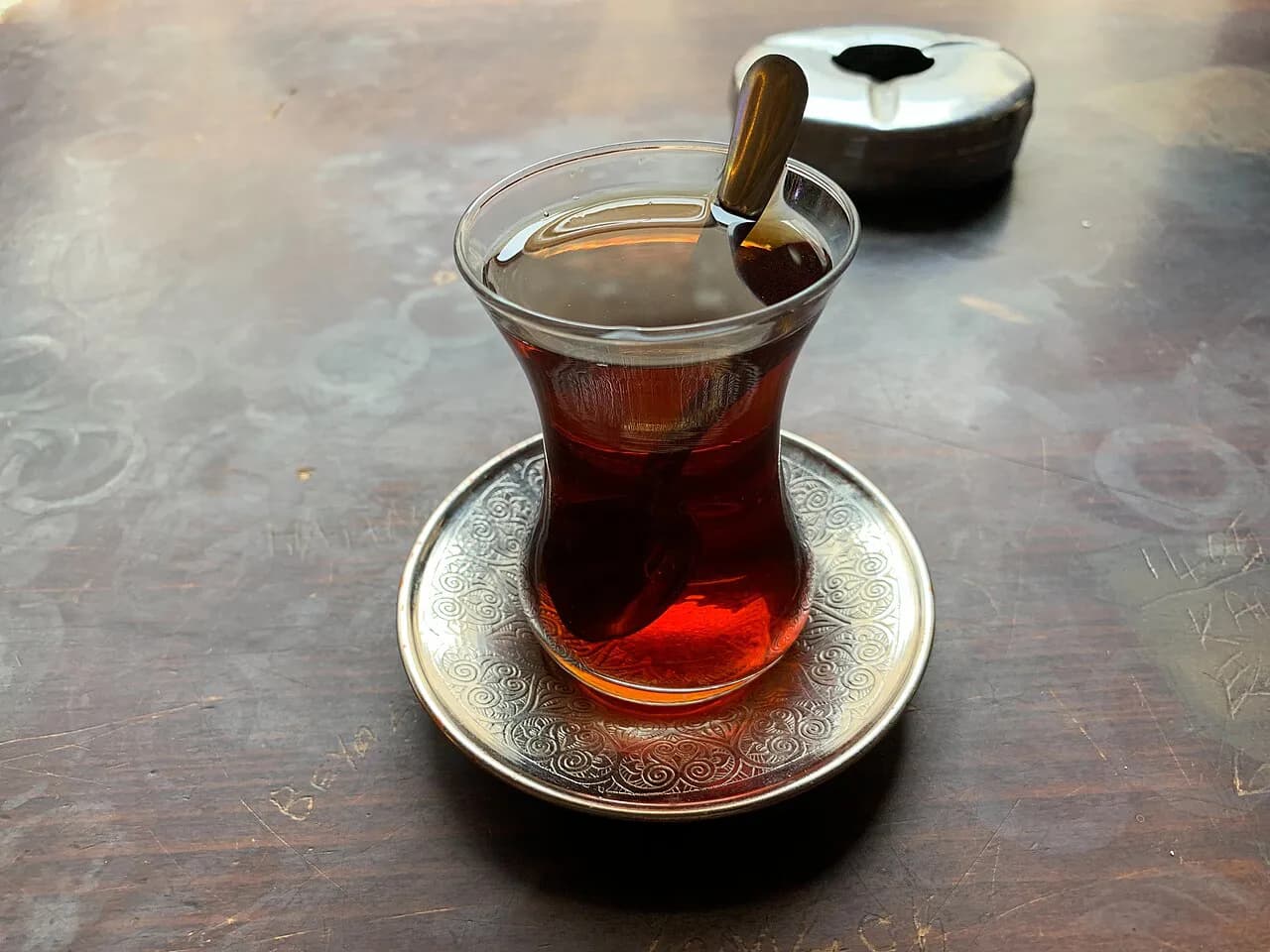
The tulip glass is the standard vessel, and Turkish tea sets sold in the UK are built around it, with small curved glasses and saucers rather than mugs. Karaca lists Turkish tea sets as a category in their own right, which makes a set the simplest way to serve çay the way it is poured in Turkey.

How Turkish tea is brewed: the two-pot method and diluting to taste
The brewing vessel is a double teapot, called a çaydanlık: a small pot of dry leaf sits on top of a larger pot of boiling water. The top pot holds very strong tea; the bottom pot supplies the hot water used to dilute it. Each person controls their own strength by how much water they add, which is why one pot serves a table of people with different preferences.
The two-pot method. Turkish tea is brewed very strong in the small top pot of a double teapot (çaydanlık) and diluted in the glass with hot water from the larger pot below, so each drinker sets their own strength.
How it is served. It comes in a small tulip-shaped glass with sugar cubes on the side; milk is not part of the standard serve.
Twinings describes the household habit directly: most Turkish families make a large pot of very strong tea and add hot water to it to dilute it to their tastes, reheating it as they drink through the day. That is what the stacked pot is designed for, with the strong base staying hot over the water below while each glass is assembled to order.
Turkish tea versus English tea: strength, serving size and how it is drunk
An English cup is usually a mug of tea brewed to drinking strength in one pot and finished with milk. Turkish tea is brewed far stronger and then cut back with hot water in the glass, and milk is not part of the standard serve. The result is a smaller, more intense drink that is refreshed often rather than nursed.
Sugar is the usual addition, and it comes as cubes served alongside the glass rather than stirred in at the pot. In Turkey it is typically sweetened with sugar cubes, and honey is a good alternative. If you are used to builder's tea, expect a shorter, sharper cup with no milk and a sweetness you control yourself.
Caffeine and what goes into a plain Turkish tea
A plain Turkish tea is just black tea leaf and water, so whatever caffeine it carries comes from the leaf, and a short, strong pour concentrates that into a small volume. Turkey is the world's biggest consumer of tea per capita, which is a fair hint at how routine the drink is. Because strength and dilution vary from glass to glass, treat it as a punchy small cup rather than a mild infusion.
Apple tea (elma çayı) and other Turkish tea varieties visitors meet
Elma çayı, apple tea, is the drink many visitors actually meet first, and it is a fruit infusion rather than a black tea. The home method steeps dried apple pieces with cloves and cinnamon, then adds a black tea bag for the last few minutes, and serves it in a glass mug, sweetened with sugar or honey and optionally chilled over ice. Packaged versions in bags are sold in the UK by Turkish grocers under the Doğadan label.
Beyond apple, Turkish grocery shelves carry herbal and flavoured infusions that turn up in cafés and homes: mint (nane çayı), linden (ıhlamur), chamomile (papatya) and mixed herb blends. Black tea is widely sold as loose leaf, with Çaykur among the best-known Turkish brands and Rize the growing region usually named on the packet, and bagged versions are listed alongside. If you want the plain black tea served in Turkey, look for loose leaf.
How it is served and drunk: sugar cubes, glass mugs and refills
In a Turkish home or café the glass arrives on a small saucer with a couple of sugar cubes, and the tea is poured from the stacked pot at the table or just before serving. You add hot water from the lower pot to reach the strength you want, stir in sugar if you take it, and hand the glass back for a refill when it is empty. The glasses are small enough that a second and third glass are normal.
For apple tea at home, the serving vessel is looser: a glass mug works, and the drink can be served chilled over ice on a hot day. That makes elma çayı a reasonable choice for a warm afternoon, while plain çay in a tulip glass is the everyday drink with breakfast and through the day.
Where to drink it in Turkey and what to eat with it
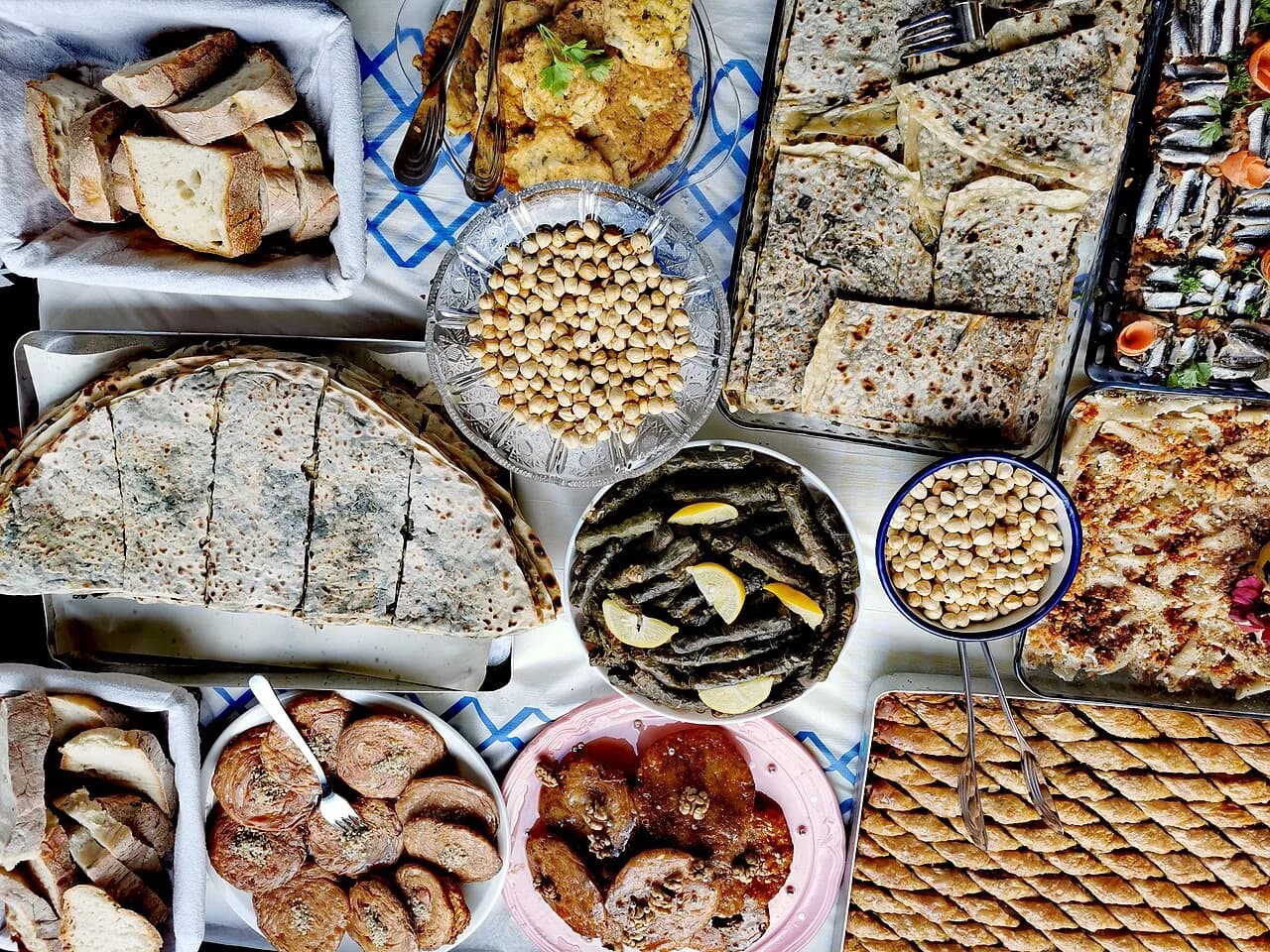
Tea is the default drink of the Turkish day, poured at breakfast, after meals and through long conversations, and it appears alongside the spread of a full Turkish breakfast of cheeses, olives, tomatoes, eggs and bread. It is equally at home after a plate of meze from the wider repertoire of Turkish food, where a small strong glass cuts through olive oil and grilled meat better than a large milky mug would.
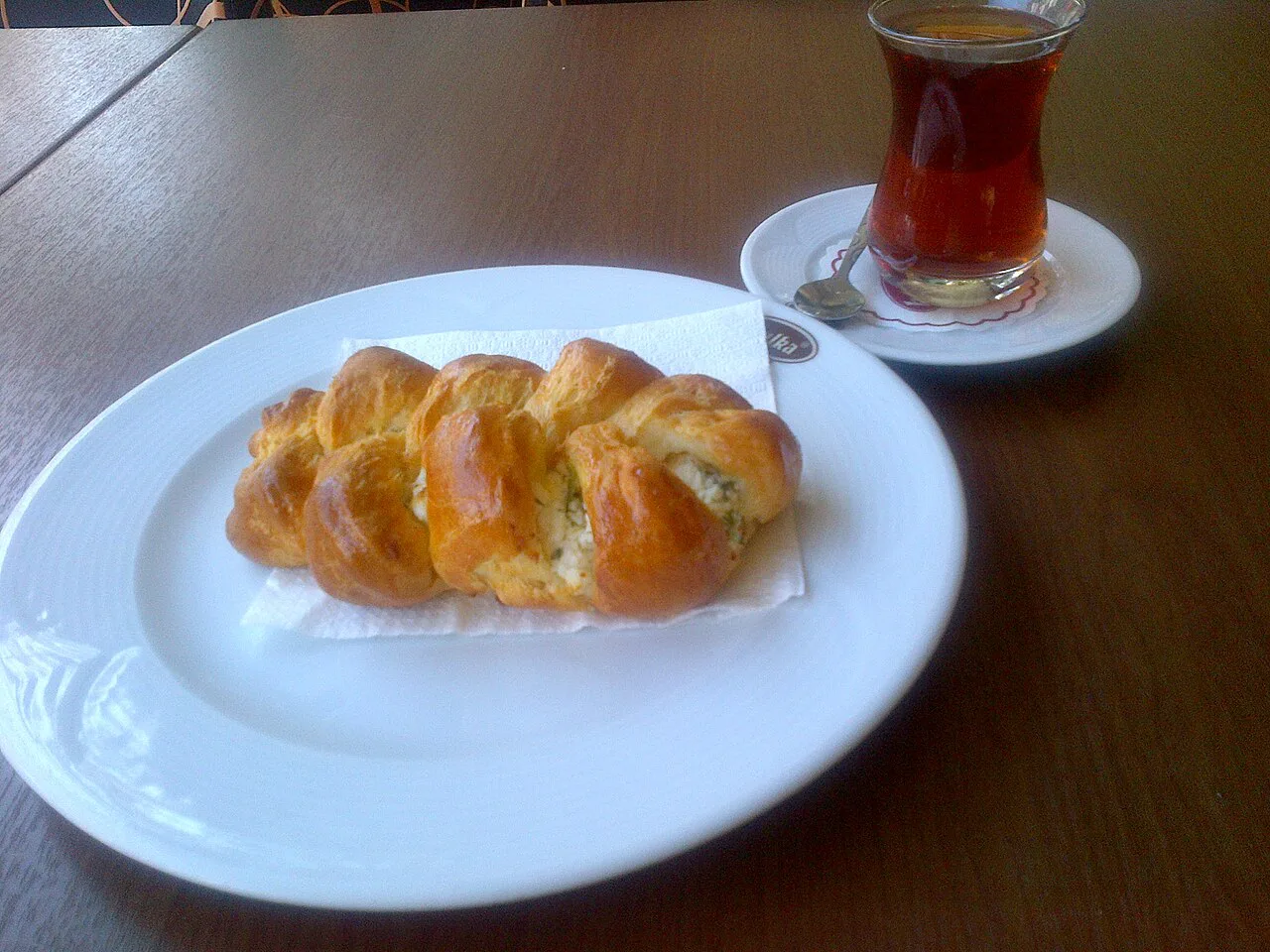
Sweet pastries are the other natural pairing: baklava and other syrup-soaked Turkish desserts are served in small portions precisely because a glass of unsweetened çay balances them. If you order künefe, the hot cheese pastry, expect tea rather than coffee to be the drink offered alongside. At breakfast, menemen or a plate of sigara böreği with tea is a common start to the day.
Buying Turkish tea to take home
Turkish grocers in the UK sell the same leaf and the same brands you see in Turkey, which makes stocking up straightforward. Turkish Porter lists Çaykur loose leaf in several grades, including Filiz, Tiryaki, Altınbaş and Rize Çayı, alongside Doğadan infusions such as apple, mint and linden, with prices in pounds for UK delivery. Buy loose leaf if you want the plain black tea, and bags if you want the apple and herbal versions.
Specialist Turkish food shops also cover the sweeter end: Cafer Erol sells Turkish coffee and tea lines, including apple tea and black tea in packs, priced in pounds for the UK. For the glassware, Karaca stocks Turkish tea sets. Check the shop's own listing for current prices before ordering.
Which Turkish tea should you buy first?
Start with a bag of loose-leaf Çaykur black tea and a small tulip glass or two, and brew it in a stacked pot if you have one; if not, a small teapot of very strong tea plus a jug of hot water achieves the same dilution at the glass. Add a pack of Doğadan apple tea bags if you want the elma çayı that visitors tend to enjoy, and skip the rest until you know which one you actually drink.
Check the retailer's listing for prices and pack sizes before ordering, since UK retail prices change. If you are heading to Turkey, drink it there first and decide what to carry home afterwards.
Explore more Turkey guides
Sources
Notes for your next Turkey trip
Optional updates when we add or correct a town guide.
You might also like


Continue reading
More guides you'll find useful