Tipping in Turkey: How Much to Tip in Restaurants & Taxis
A practical guide to tipping in Turkey, covering restaurants, cafés, taxis, dolmuş, hotel staff, hammams and tour guides, with cash and currency advice.
On this page
Tipping in Turkey is expected in restaurants, cafés and bars rather than compulsory, and around 10% is the usual starting point. Service is often rewarded with cash left on the table or in the bill wallet, so carry small Turkish lira notes even when you pay by card. This guide sets out how much to leave for waiters, taxi drivers, hotel staff, hammam attendants and tour guides, and how to handle currency.
Do you tip in Turkey? The short answer
Yes, for good service in restaurants, bars and cafés, particularly in tourist areas and business districts. A general expectation of about 10% applies, rising towards 15–20% when service has been exceptional. There is no obligation, and you can lower the amount or skip it if the service disappointed.
The Turkish word for a tip is bahşiş, and staff are relaxed about how it is given. Leaving it in the bill sleeve or a tip box avoids any awkward handing-over of coins. If you want to say keep the change, üstü kalsın does the job.
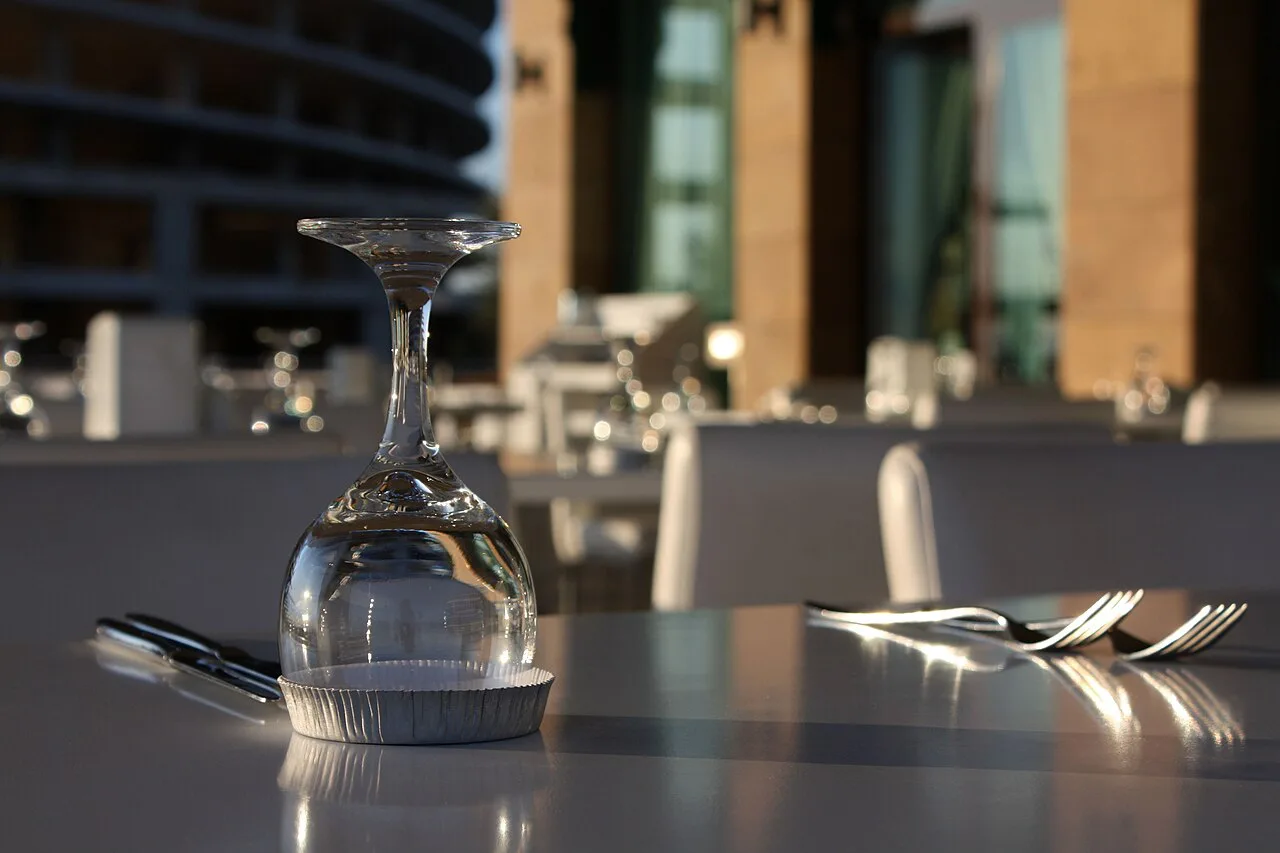
How much to tip in restaurants, cafés and bars in Turkey
In an ordinary restaurant, café or bar, 5–10% is a common tip, and upmarket places tend to see 10–15%. Wise puts the general range at 10–15% in restaurants, with waiting staff often sharing tips with the kitchen. A simple way to scale it, as the guides illustrate with small amounts: on a 100 lira meal, leave 10 or 15 lira, and on a 10 lira drink, 1 or 2 lira. These lira examples are illustrative, not current prices.
Is it rude not to tip in Turkey? No. Tipping is discretionary, so skipping it because the food or service was poor is acceptable.
Is 100 lira a good tip in Turkey? It depends on the bill. Check whether 100 lira is roughly 5–15% of what you paid; a café bill of a few hundred lira can make it generous, while a large restaurant bill may call for more.
Is 500 Turkish lira a good tip? That is a large tip for a routine meal and much more than the usual 5–15%. It suits a substantial group bill, a private tour or a special thank-you, and it is your choice.
In bars and cafés, rounding up the bill to the next convenient note is enough, or leave a small amount each time you order. Check the receipt first in case a service charge has already been added, since that occasionally happens in bigger cities. Cash is the practical route, because a card terminal does not let you add a gratuity at the moment of payment.
At meyhane-style fish restaurants, strolling musicians play for tips, and a few lira slid to them is the norm if you accept the performance. Waving them away politely is fine if you would rather eat without music.
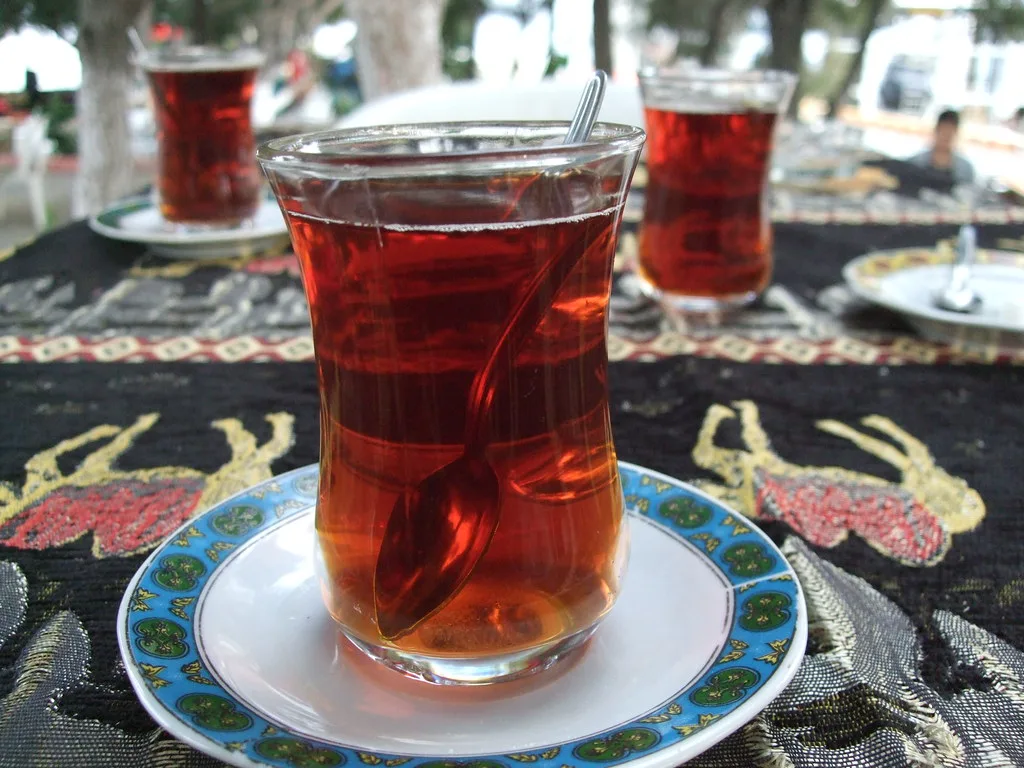
Tipping taxi drivers and dolmuş minibuses: round up or leave nothing
Taxis are treated differently from restaurants: there is no percentage gratuity, you simply round the fare up to the next whole lira. A 20.60 lira fare becomes 21 lira, and a driver who lifts bags in or out of the car might earn a little extra. Do not carry the restaurant habit of 10% into the cab.
On a dolmuş minibus there is no tip at all. Have the right change ready so the fare is straightforward; on cash fares generally, rounding up is the only courtesy expected.
Hotel staff: porters, housekeeping, reception and room service
Hotel tipping is discretionary and varies with the type of hotel. The Istanbul Insider suggests 2–3 euros for porters and room service, around 5 euros in the room for housekeeping, and roughly 10 euros left at reception on departure. Wise gives a broader 10–20% framework for hotels with high service levels, broken down into small daily amounts for housekeeping and per-bag amounts for porters. Treat both as approximate style guides rather than rules.
In an all-inclusive resort, tips are still welcome for staff who go out of their way, and small lira notes for housekeeping and bar service are more useful than foreign coins. Nothing obliges you to tip, so budget a modest daily amount and adjust it to the service you actually receive.
Hammam attendants: what to budget for the Turkish bath
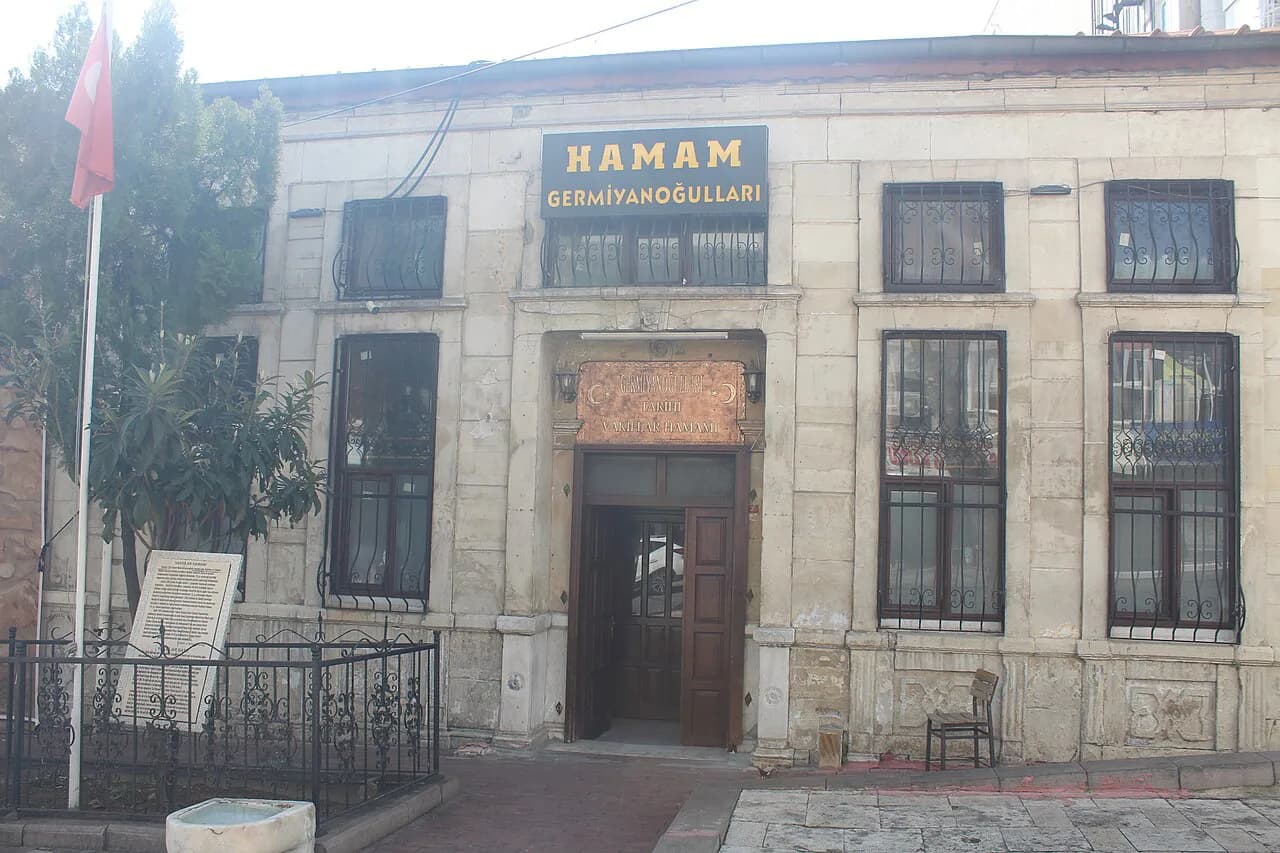
The Turkish bath is the one place where a tip is effectively part of the ritual: attendants gather as you leave, so have cash ready. The customary amount is 10–20% of what you spent, divided among them. Read up on what a Turkish bath visit involves before you go so you know who has helped you.
Keep the notes separate from your main wallet so you are not fumbling in a wet changing area, and bring more small notes than you think you need for the attendants at the end.
Tour guides and drivers: who gets the group tip
Guides are paid for the tour, but a tip is a common thank-you at the end, and on group trips it is usually collected together rather than handed over person by person. The Istanbul Insider puts a typical group gesture at 10–15 euros. A separate note for a driver who has done a long day is reasonable, so ask your group or guide how they are handling it.
On a private boat, jeep safari or guided walk, agree the tip with your companions before the tour ends so nobody is left short of cash. If you want a souvenir that is not a tip, look at Turkish carpets rather than pressing extra notes on a guide who has already been paid.
Tipping in resort towns and all-inclusive hotels: what changes
In resort areas such as Antalya, Marmaris and the smaller coastal towns, the same rules apply: 5–10% in cafés and restaurants, more in upmarket venues, and rounding up in taxis. All-inclusive hotels have staff who appreciate small notes for extra service, but there is no fixed fee for being looked after.
Bazaars and markets are a different transaction from a tip: there you are haggling over the price, not adding a gratuity. Turkish markets, whether a coastal weekly pazar or a covered bazaar, are where haggling happens, so settle the price and pay it rather than adding a gratuity on top.
Cash, card and which currency to leave a tip in
Tip in Turkish lira, because staff cannot easily exchange foreign coins and small lira notes are the most useful. Euros, US dollars or pounds in paper form may be accepted in tourist resorts, but coins in other currencies are a burden. Always carry a few notes so you are not caught out when the card machine offers no tip option.
If you are paying a bill by card, expect to settle the tip separately in cash. That means checking the total on the terminal, paying the bill, then leaving notes on the tray. It also means carrying more cash than you might otherwise in a country where cards are widely used.
Turkish phrases for tipping and checking the bill
A few words make the transaction easier: hesap, please, for the bill; üstü kalsın for keep the change; and bahşiş if you want to ask about a tip. If you would rather not leave one, a polite teşekkürler and paying the exact amount is enough.
Check whether a service charge is already on the bill before adding anything. If it is, you can leave a smaller extra or none at all. If not, the usual percentage applies.
How much cash should you set aside for tips?
For a typical week, a modest float of small Turkish lira notes covers restaurants, a taxi or two, housekeeping and a hammam visit. Keep the notes separate from your daily spending money and top up from a cash machine when you run low. Percentages here are style guides from published advice, not fixed rules, and lira amounts drift with inflation, so check the day's figures locally if you want a current benchmark.
The safest approach is to tip in cash at the moment of service, at about 10% in restaurants and cafés, rounding up in taxis, and nothing on the dolmuş. That covers almost every occasion a visitor will meet, and leaves room to be generous when someone has genuinely earned it.
Explore more Turkey guides
Frequently Asked Questions
Is it rude not to tip in Turkey?
No. Tipping is discretionary, so skipping it because the food or service was poor is acceptable. Leaving a small amount for good service is appreciated, especially in resort restaurants where staff rely on tips to top up their wages.
Is 100 lira a good tip in Turkey?
It depends on the bill. Check whether 100 lira is roughly 5–15% of what you paid; a café bill of a few hundred lira can make it generous, while a large restaurant bill may call for more. Judge it against the total rather than treating the note as a standard amount.
Is 500 Turkish lira a good tip?
That is a large tip for a routine meal and much more than the usual 5–15%. It suits a substantial group bill, a private tour or a special thank-you, and it is your choice. For everyday café stops, smaller notes are more practical.
Do you tip in an all-inclusive hotel in Turkey?
Not as a rule, but small tips are welcome for housekeeping, bar staff or waiters who give extra service. Carry a few lira notes and give them directly.
Can you add a tip to a card payment in Turkey?
Usually not at the terminal. Carry cash for the gratuity and pay the bill by card separately, or leave the whole amount in cash. Check the bill for a service charge first so you do not tip twice.
Sources
Notes for your next Turkey trip
Optional updates when we add or correct a town guide.
You might also like
Continue reading
More guides you'll find useful