Turkish Delight (Lokum): What It Is, Types and How to Buy It
Turkish delight, or lokum, is a starch-and-sugar sweet sold in flavours from rose to pistachio. Here is what sets good boxes apart and how to buy it in Turkey.
On this page
Turkish delight is lokum, a soft, chewy sweet built on starch and refined sugar and set into cubes dusted with icing sugar. Turks call it lokum, and visitors meet it in almost every confectioner's window between Antalya and Bodrum. This guide explains how it is made, which flavours and textures to pick, what it costs, and how to carry a box home without a sticky suitcase.
What Turkish delight is and why Turks call it lokum
The word lokum comes from the Ottoman Turkish phrase rahatü'l-hulkum, which means something close to easing the throat. The sweet itself is a set jelly of starch and sugar, cut into cubes and finished with icing sugar or, for some types, dried coconut. British traders coined the English name when they began importing it, which is why the same sweet answers to two very different names.
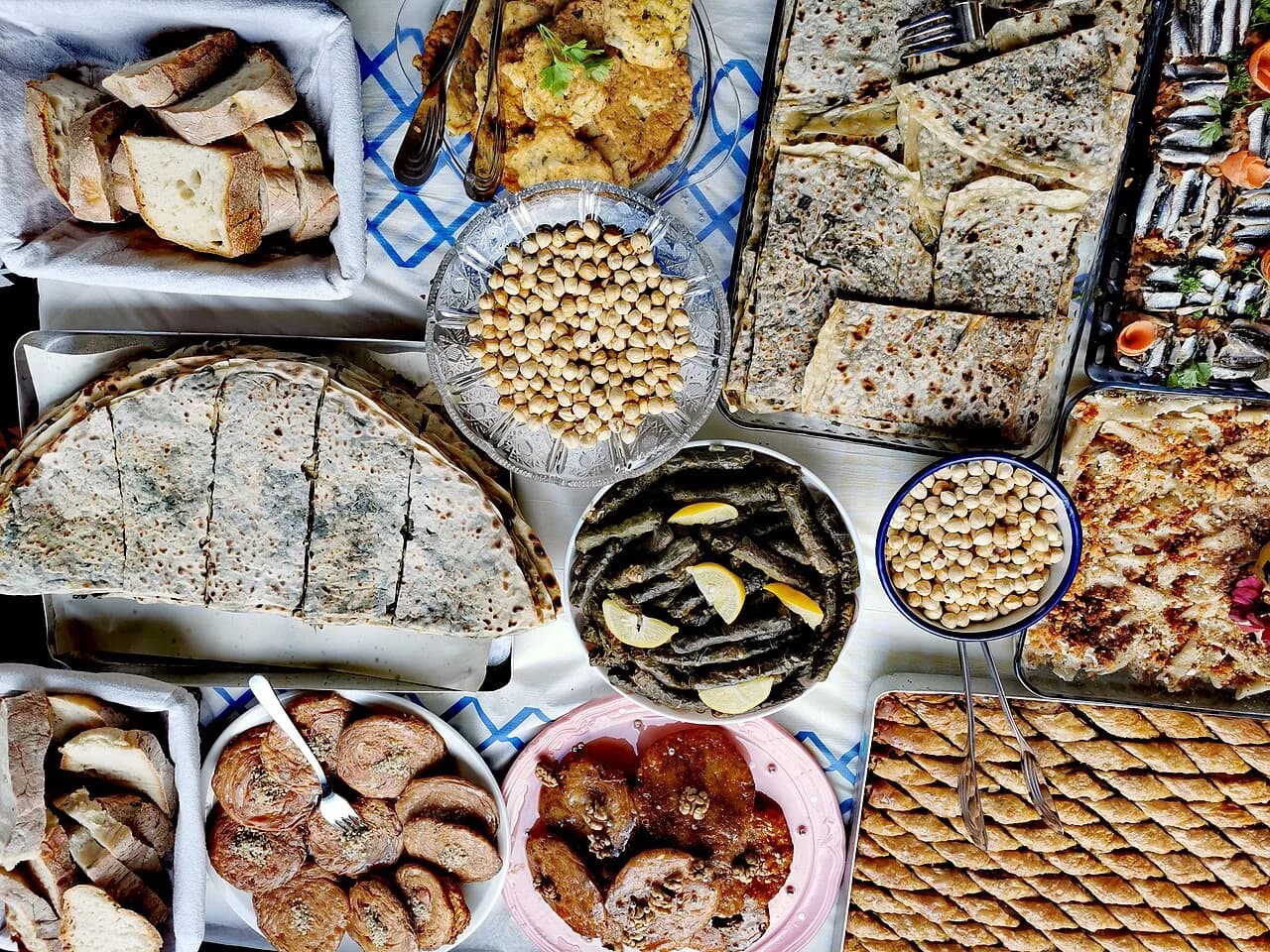
Locals eat it with Turkish coffee or tea, and it also appears on sweet trays after a meal alongside heavier pastries. As a dessert it is light rather than rich, so it works well after a long lunch of Turkish food such as Sigara böreği or İmam bayıldı.
How lokum is made: starch, sugar and long slow cooking
Early versions used honey and pekmez, a concentrated grape syrup, with flour as the stabiliser. The modern sweet depends on starch and refined sugar instead, which gives the translucent, springy set that most people recognise today. Hacı Bekir Efendi is credited with that switch, and his confectionery shop, opened in Istanbul in 1777, still stands in the Bahçekapı district.
What is Turkish delight called in Turkish? It is called lokum, from the Ottoman Turkish phrase rahatü'l-hulkum, meaning something like easing the throat. The English name came from British traders who imported it.
Is Turkish delight vegan? Traditional lokum is made from sugar, water and starch without gelatine, so most plain and nut versions suit vegans and vegetarians. Several UK sellers label their boxes vegan, halal and kosher, but chocolate-coated and creamy types may contain dairy, so check the ingredients.
How should Turkish delight be stored? Keep it sealed so the cubes do not dry out and go firm, and leave the icing sugar dusting on so the pieces do not stick together. Eat an opened box while it is still soft rather than saving it for months.
Small-batch makers cook the mixture slowly in copper cauldrons, which is what produces the gentle chew rather than a firm, gluey bite. Cafer Erol describes cooking its lokum for nearly three hours before flavouring and setting. Slow cooking costs the maker time but gives the sweet its soft texture, so it is worth asking how a shop makes its boxes.
The flavours you will see in a Turkish shop: rose, lemon, orange, black cherry, pistachio, mint, cinnamon
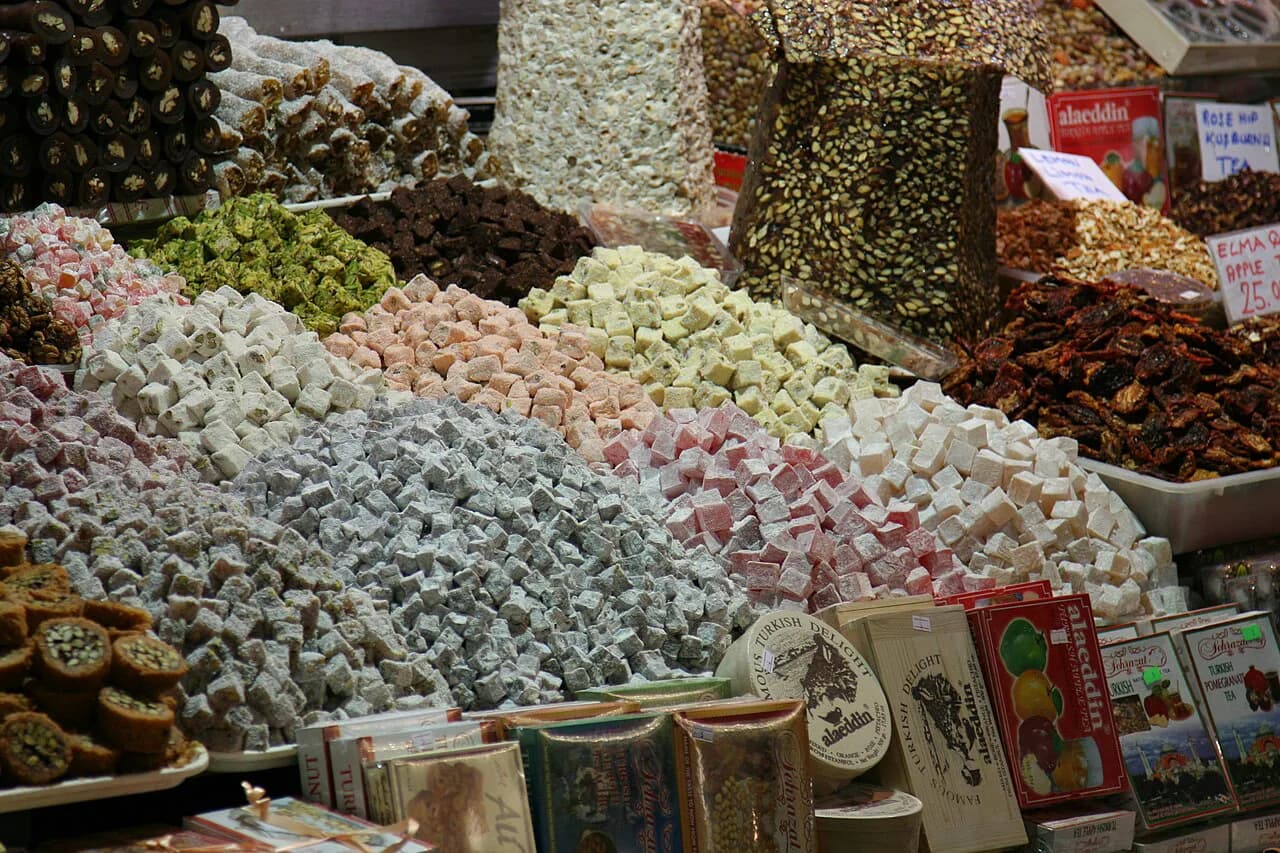
Rose is the classic floral version, and lemon and orange give a sharper, citrus lift that suits anyone who finds rose soapy. Black cherry and pomegranate are the fruit-forward end, while pistachio is the nuttiest. Mint and cinnamon appear regularly too, so a mixed box is the easiest way to work out which side of that range you are on.
In the UK, a mixed box from a Turkish-inspired grocer typically spans rose, lemon, orange, black cherry and pistachio in 200g bags sold from six pounds. That format is a cheap way to taste across the range before committing to a larger tin.
Plain, nut-studded and rolled varieties, and how they differ in texture
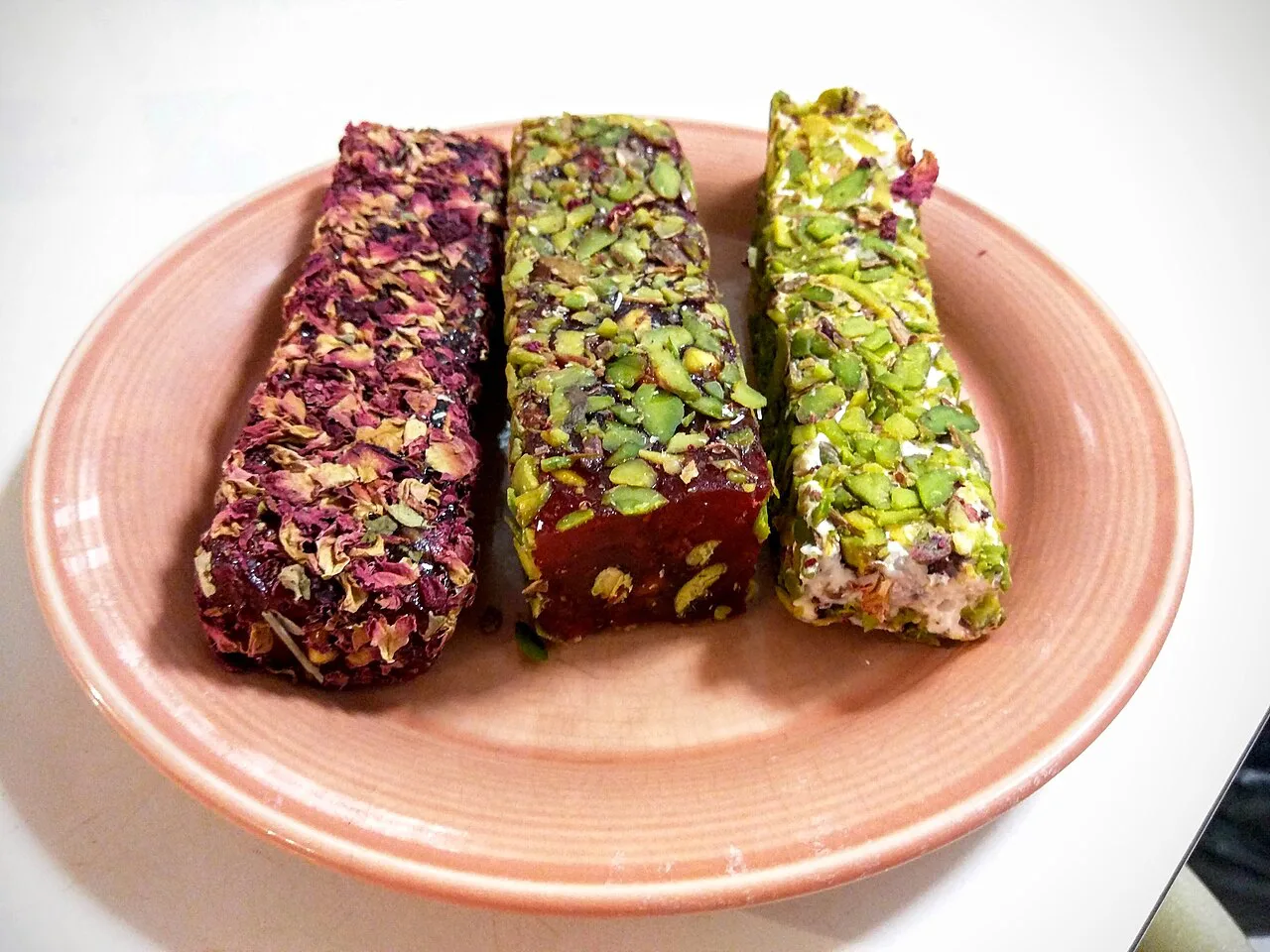
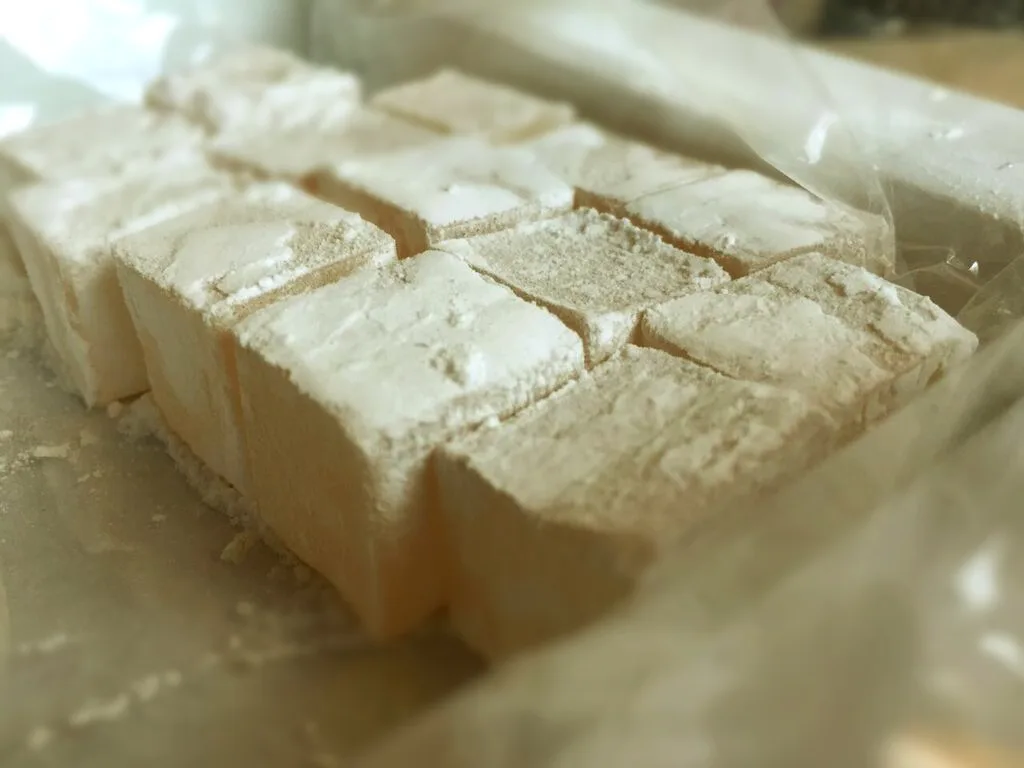
Plain cubes are the softest and most yielding, dusted in icing sugar and best eaten within a few days of opening. Nut-studded types fold pistachio, hazelnut or walnut through the set, which gives a crunch and makes the sweet heavier. Rolled lokum is shaped into ropes and coated, sometimes with dried fruit or coconut, and is easier to carry than loose cubes.
Makers also sell bird-shaped lokum, a small plain version in tins and cartons, which is a common gift format. Sizes vary widely, from small 70g retro tins to boxes over 1kg, so check the net weight on the front rather than judging by the box.
Rose versus pistachio: which boxes suit which taste
Choose rose if you want the traditional, perfumed flavour that most people associate with the name, and pair it with plain black tea. Take pistachio if you prefer something richer and less floral, especially the double-roasted versions, which taste closer to a nut confection than a jelly. A mixed box solves the argument, since the pieces are individually flavoured and easy to share.
If the box is a gift, a larger tin with a printed design carries better than loose cubes and survives a suitcase. Turkish desserts such as Chocolate baklava and Tel kadayıf travel less well, so lokum is the safer sweet to pack for someone back home.
Ingredients and dietary notes, including gelatine-free and vegan versions
Traditional lokum is made from sugar, water and starch, without gelatine, so most plain and nut versions are suitable for vegetarians and vegans. Some UK retailers label their boxes vegan, halal and kosher, which makes checking the tin straightforward. Flavoured and chocolate-coated types may add dairy, so read the ingredients if that matters to you.
Nutritionally it is a sugar sweet, so treat it as a small indulgence rather than a health food. Two or three cubes with coffee goes further than a whole box in one sitting, and the sweetness of a rose or fruit piece is intense enough that a little is enough.
How Turkish delight is sold: by weight, in tins, in gift boxes
In Turkey, confectioners usually sell it in shops alongside baklava and other sweets rather than only in decorated gift tins. UK and online sellers, by contrast, sell fixed weights, from 70g tins to boxes over 1kg, often with decorative tins and cartons built for gifting.
Gift boxes come at a premium for the packaging, so if you are buying for yourself the plain bags and simple cartons are better value. Ask the shop to bag loose pieces separately by flavour, so the rose does not scent the pistachio by the time you get home.
What you pay in Turkey versus in the UK, using sourced examples
UK prices vary a lot with packaging. The Arabica London shop listed 200g bags from six pounds when checked in 2026, while Cafer Erol's London listings ran from around five pounds for a 70g retro tin to well over a hundred pounds for large wooden and compartment gift boxes. Most of that spread reflects tin size and presentation rather than the sweet itself.
Loose lokum bought by weight in a Turkish confectioner normally costs less per kilo than a decorated UK tin, but the price shifts with the lira and the flavour. Check the price per kilo on the tray label before you ask for a box, and confirm the figure for nuts and rolled types, which cost more than plain.
How to store it once the box is open
Lokum is best kept sealed, because once air reaches it the cubes dry out and go firm. Keep the icing sugar dusting on, since it helps stop the pieces sticking together, and eat opened boxes while they are still soft rather than saving them for months.
If the cubes do firm up, eating them soon with a hot coffee or tea is the practical option; there is no reliable way to bring a hardened box back to its fresh texture.
Buying Turkish delight to bring home: weight, packing and hand luggage
Lokum is dense, and a decorated tin or wooden box adds bulk as well as sweets, so weigh a box before committing it to hand luggage. Check your own airline's cabin baggage rules for food before you plan to carry it in the cabin, and pack tins in the centre of a suitcase wrapped in clothing.
Keep loose cubes in a sealed bag inside a rigid container so they do not crush against other luggage. If you are flying back to the UK, buying a second box in Turkey is often the reason people overpack, so leave room only if the weight suits your allowance.
Where to buy it in Turkey: confectioners and bazaar sweet stalls
Confectioners and bazaar sweet stalls in Antalya, Bodrum and İzmir sit alongside baklava and other sweets and will box a selection for you. Look for a shop with a fast turnover, so the stock is fresh rather than sitting for days. If you are already planning a Turkish breakfast, add a small box of lokum to the same shopping trip for later in the day.
For a specific maker, Hacı Bekir's original shop in Bahçekapı, Istanbul, is the name most associated with the sweet, though it is a detour from a southern resort. Elsewhere, ask at a local confectioner which flavours are made in-house and which are bought in, since that tells you what is worth the price.
If you have room for only one sweet souvenir, lokum is the practical choice over syrupy pastries, which leak and crush. Buy plain and nut types for the suitcase and keep any chocolate-coated pieces for eating on the trip, as they mark in heat.
Which box should you buy?
For a first purchase, take a mixed 200g bag or a small tray selection so you can compare rose, citrus and pistachio before committing to a large tin. If the box is a gift, a decorated tin travels better and photographs well, but expect to pay mostly for the packaging.
If you are in Turkey, buy from a busy confectioner and ask the price for nuts and rolled types, which usually cost more than plain. If you are ordering from the UK, compare the net weight on the listing with the price before choosing. Either way, store the box sealed and finish it within a couple of weeks.
Explore more Turkey guides
Frequently Asked Questions
What is Turkish delight called in Turkish?
It is called lokum, from the Ottoman Turkish phrase rahatü'l-hulkum, meaning something like easing the throat. The English name came from British traders who imported it.
Is Turkish delight vegan?
Traditional lokum is made from sugar, water and starch without gelatine, so most plain and nut versions suit vegans and vegetarians. Several UK sellers label their boxes vegan, halal and kosher, but chocolate-coated and creamy types may contain dairy, so check the ingredients.
How should Turkish delight be stored?
Keep it sealed so the cubes do not dry out and go firm, and leave the icing sugar dusting on so the pieces do not stick together. Eat an opened box while it is still soft rather than saving it for months.
Is Turkish delight good for you?
It is a sugar sweet rather than a health food, so treat it as a small indulgence. A few cubes with coffee or tea is the usual way to eat it.
Sources
Notes for your next Turkey trip
Optional updates when we add or correct a town guide.
You might also like


Continue reading
More guides you'll find useful