Turkish Desserts: 15 Sweets to Try and How They're Served
A guide to Turkish desserts, from baklava and künefe to lokum, sütlaç and pişmaniye: what each sweet is made from and how it is served.
On this page
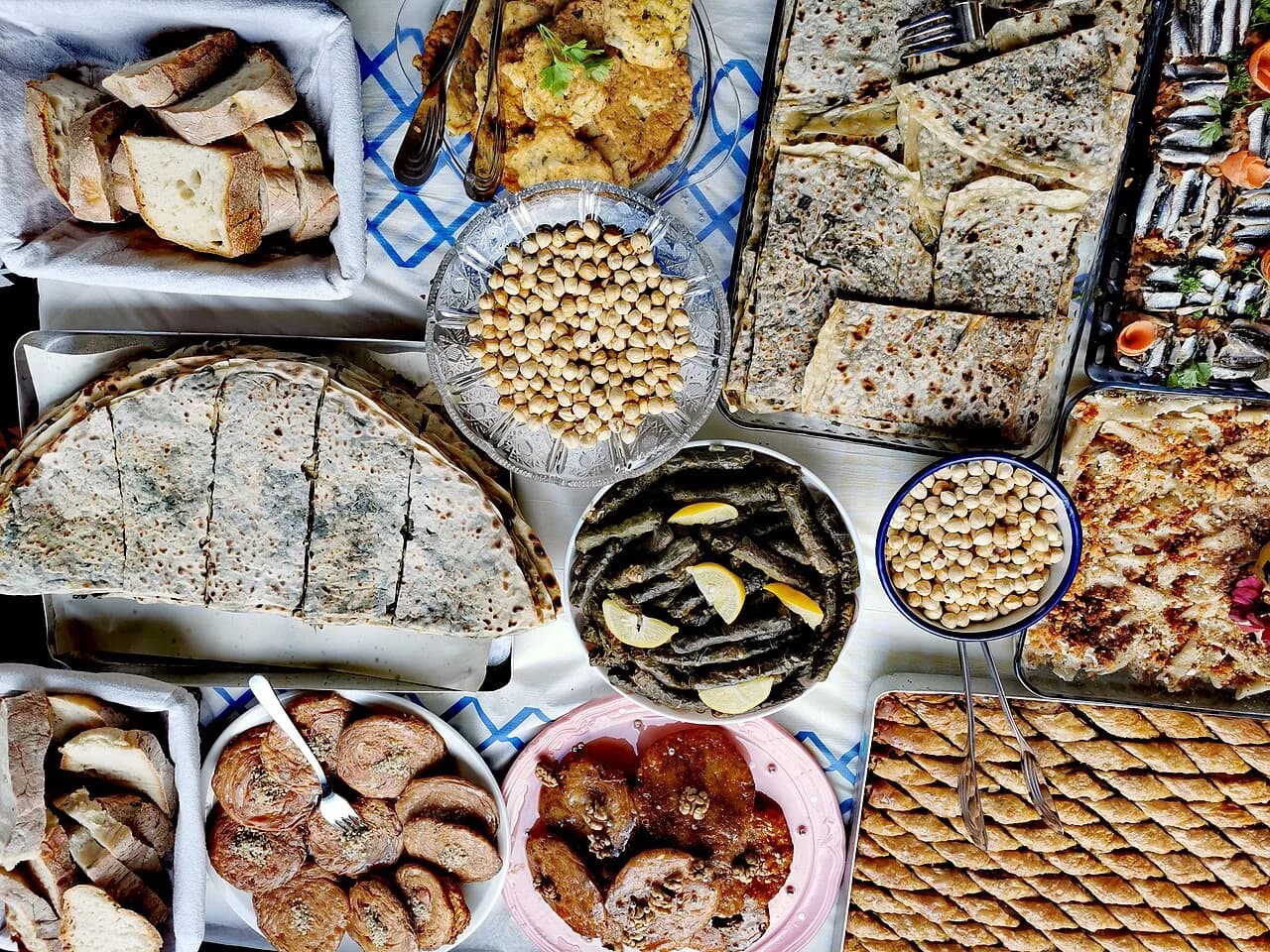
The desserts to know first are baklava, künefe and lokum, then the milk puddings sütlaç and kazandibi. Baklava is layers of phyllo with chopped nuts, butter and lemon syrup, cut into diamonds and topped with ground nuts, and it is sold by weight or the piece in pastry shops, bakeries and restaurants. This guide sorts fifteen sweets by texture and syrup load so you can order a spread that stays interesting.
Most are bought at a pastane or baklava counter rather than ordered as the finale of a sit-down meal. That matters for how you eat here: a box of lokum travels home, a tray of baklava is priced by weight, and a plate of künefe is best eaten the moment it lands. It also shapes what you pair with a coffee later; the same savoury counter that sells sweets sits beside the dishes covered in our guide to [Turkish food](/turkish-food).
Baklava: phyllo, nuts and lemon syrup
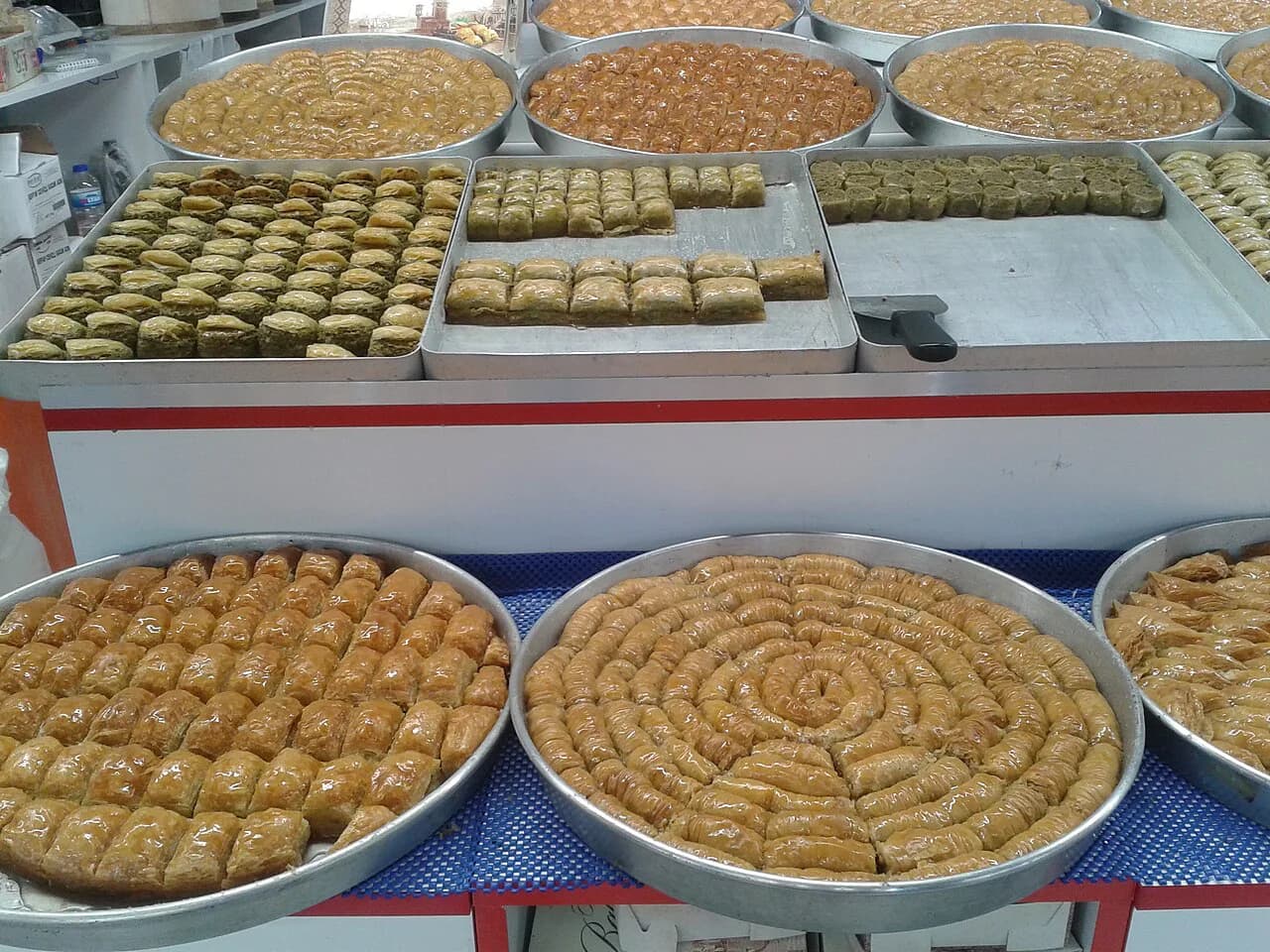
Baklava is the benchmark sweet and the one to eat first. Phyllo sheets are brushed with butter, layered with ground pistachios, pine nuts or walnuts, baked until golden and then soaked in a syrup of sugar and lemon juice. Pieces are small and diamond-shaped and finished with ground nuts. Buy it from a bakery or baklava shop where the trays turn over quickly, and take a small mixed selection rather than one large slab.
Chocolate baklava: the modern variation
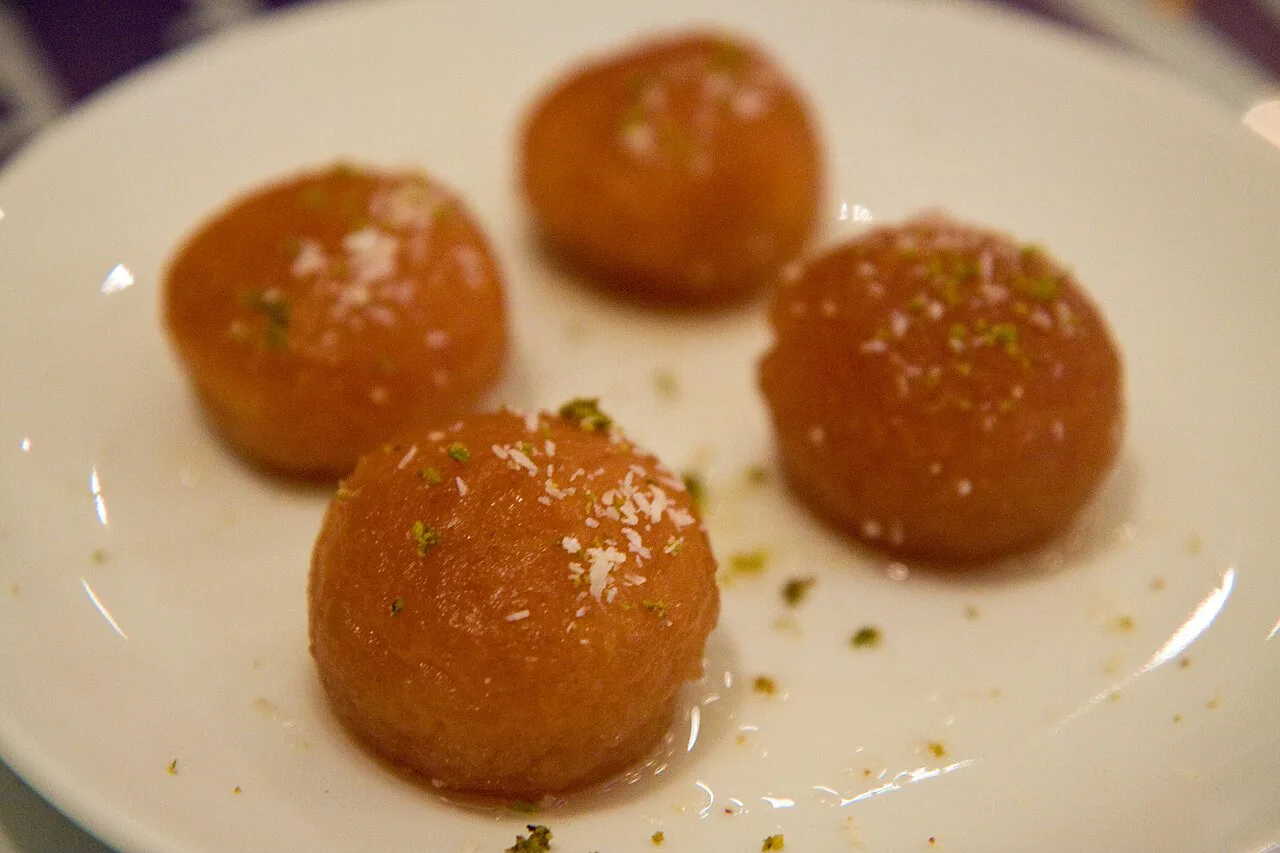
Chocolate baklava keeps the same phyllo and syrup but adds finely chopped chocolate to the nut filling. It is the sweeter, heavier version and turns up in the more touristed parts of the country. Treat it as a single piece alongside a classic pistachio diamond, because the syrup and chocolate together overwhelm the palate after two bites.
What is Turkey's most famous dessert? Baklava is the sweet most closely associated with the country: phyllo layered with chopped nuts, baked and soaked in lemon syrup, then cut into diamonds and topped with ground nuts. Künefe and lokum are the other two names most travellers already know before they arrive.
Is künefe a dessert or a savoury dish? It is a dessert, but a salty-sweet one. Shredded tel kadayıf is layered with a soft cheese similar to mozzarella, cooked in a copper pan and served hot with syrup and pistachios or walnuts.
How much should I buy at a baklava counter? Two or three small pieces per person is enough for a dessert course, because the syrup is rich. Ask for a mixed selection so you can compare pistachio, walnut and the rolled fıstıklı sarma.
Künefe: hot cheese, shredded pastry and syrup
Künefe is the one to order when you want something served hot. Shredded semolina strands called tel kadayıf are layered with a soft cheese similar to mozzarella, cooked in a copper pan often over hot coals, and brought to the table with syrup and pistachios or walnuts. In Türkiye it comes from the Hatay region, and the salty cheese against the syrup is the whole point, so do not expect a plain pastry. Order one between two people after a savoury course; our guide to [Künefe: The Turkish Cheese Pastry Dessert Explained](/kunefe) covers the cheese and the pans in more detail.
Kadayıf and fıstıklı sarma: the rolled shapes
Tel kadayıf also appears without cheese, packed with pistachio and soaked in syrup. The rolled form is fıstıklı sarma, and it is the neatest thing to add to a mixed box because it holds together in the hand. Buy a few pieces by weight from a baklava counter and compare the fine strands against the flaky phyllo of baklava.
Lokum (Turkish Delight): the box to take home
Lokum is the sweet most travellers buy as a gift. Boxed versions such as those sold by Haci Bekir come in plain, rose, rose and lemon, pomegranate and strawberry, and with nuts such as double-roasted pistachio or hazelnut, so read the label before assuming the plain pink cubes are all there is. Look for a shop that sells it loose as well, so you can taste before committing to several boxes.
Sütlaç and kazandibi: the milk puddings
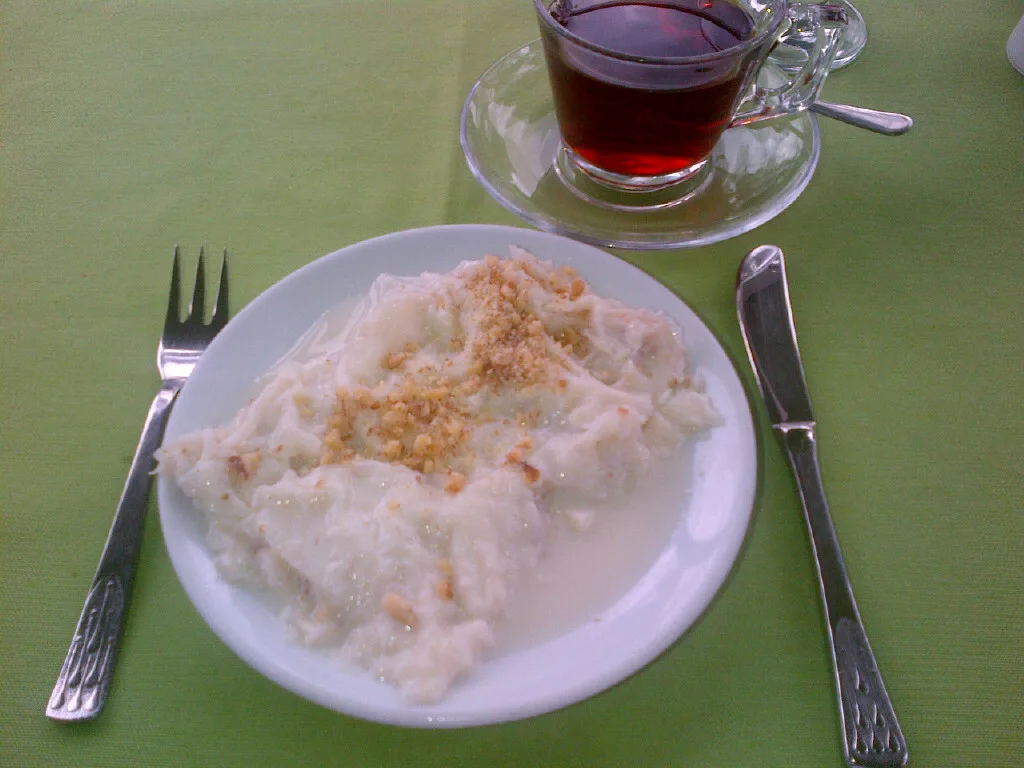
After the syrup, the milk puddings are a relief. Sütlaç is rice pudding, and the best version is baked in the oven so the top catches and browns; kazandibi is the caramelised milk pudding, its name meaning the bottom of the cauldron. Both are spoon desserts served cold or cool and are the easiest finish to a long lunch. Order one between two, with a Turkish coffee rather than another sweet.
Tavuk göğsü: the chicken breast pudding
Tavuk göğsü is the one to order once for the experience. Knowing that the name refers to chicken breast is half the trick, so take a small portion and judge the texture rather than the name.
Şekerpare: semolina cookies in lemon syrup
Şekerpare are small oval semolina cookies, brushed with egg yolk, baked and then drenched in cooled lemon syrup straight from the oven. They are made a day ahead so the syrup soaks right through and the crumb becomes tender enough to eat with a fork. Look for them in pastanes and restaurants, and expect them on special days and at religious festivities as well as everyday. They keep for a few days covered in a single layer, which makes them good to carry.
Revani and basbousa: semolina cake in syrup
Revani, also called basbousa, is a semolina cake soaked in syrup and cut into squares or diamonds. It is lighter and more crumbly than baklava, with a grainy bite from the semolina, and it turns up alongside şekerpare on the same trays. If you are building a box, take one square of revani to every two pieces of baklava to keep the textures varied.
Tulumba and halka tatlısı: the fried street sweets
Tulumba and halka tatlısı are the deep-fried end of the menu. Halka tatlısı is a ring of dough made from water, eggs, butter and semolina flour, piped through a star nozzle, fried until golden and tossed in lemon syrup; it is often sold from street stalls. Both are very sweet, so buy one portion and share it while walking rather than planning a full dessert each. Tulumba is the squat, ridged version and eats best warm.
Pişmaniye: stretched strands of flour and sugar
Pişmaniye looks like cotton candy but has a denser, more floury chew. Roasted flour, sugar and butter are stretched and twisted into long thin strands, then eaten plain or flavoured with vanilla, cinnamon or cocoa and garnished with ground pistachios or walnuts. It is light to carry and makes a change from a box of lokum. Buy it from a sweet shop rather than a supermarket shelf if you want it fresh.
Asure: the pudding made in Muharram
Asure, or Noah's pudding, is a mixed grain and fruit pudding rather than a syrup sweet. It is made from wheat, rice, chickpeas, beans, sugar, nuts and dried fruit such as figs or apricots, sometimes scented with rose water or orange and lemon zest. It is traditionally made during Muharram, the first month of the Islamic calendar, and shared with neighbours and friends. That makes it a seasonal find rather than something you can count on in every pastane, so ask when you see it.
Halva and tahini sweets: what to look for in a shop
Halva sits apart from the pastane counter: it is sold in blocks and boxes, often with cocoa or pistachio, and is a good buy for a gift or a picnic. Tahini versions appear as rolls, such as the Cypriot tahini roll sold in Turkish groceries. Buy a small block first to see whether the sesame sweetness suits you.
Dondurma and yoghurt with honey: the cold and simple end
Dondurma is the Turkish ice cream, dense and slow to melt, and it is the dessert to fall back on in summer heat. Yoghurt with honey is the other simple option, plain and unsweetened enough to finish a heavy meal. If you have already eaten baklava at lunch, either of these is a lighter second dessert than another syrup-soaked pastry.
What to drink with Turkish desserts
Çay and Türk kahvesi are the standard partners. The tea is served in small tulip glasses and cuts through syrup; the coffee is unfiltered, strong and unsweetened unless you ask for sugar, and it is the natural finish to şekerpare or a square of revani. Order the coffee after the sweet rather than with it, and drink water alongside. If you are eating earlier in the day, the same tea culture runs through [Turkish breakfast](/turkish-breakfast), where the sweet note comes from jam and honey rather than pastry.
How to order at a pastane or baklava shop
Order by weight or by the piece at the counter, and ask for a mixed selection rather than one kind. Portions are small by design, so two or three pieces per person is a reasonable dessert course; a tray is for a household or a gift, not a table of four. Point at what you want, ask for it to be boxed if you are travelling, and keep syrup-soaked pieces flat and separate from dry ones.
Which three sweets should you order first?
Start with one piece of pistachio baklava, one portion of hot künefe to share and a spoon of sütlaç to finish. That covers the crisp-syrup, the hot-cheese and the milk-based ends of the menu in a single sitting without a sugar overload. Add lokum or pişmaniye only when you are buying to take home.
Explore more Turkey guides
Frequently Asked Questions
What is Turkey's most famous dessert?
Baklava is the sweet most closely associated with the country: phyllo layered with chopped nuts, baked and soaked in lemon syrup, then cut into diamonds and topped with ground nuts. Künefe and lokum are the other two names most travellers already know before they arrive.
Is künefe a dessert or a savoury dish?
It is a dessert, but a salty-sweet one. Shredded tel kadayıf is layered with a soft cheese similar to mozzarella, cooked in a copper pan and served hot with syrup and pistachios or walnuts. Expect the cheese to taste savoury against the syrup.
How much should I buy at a baklava counter?
Two or three small pieces per person is enough for a dessert course, because the syrup is rich. Ask for a mixed selection so you can compare pistachio, walnut and the rolled fıstıklı sarma. Prices are by weight and change often, so check the counter label or ask before you point.
Can I take Turkish sweets home from Turkey?
Boxed lokum and block halva travel best because they keep. Baklava and kadayıf are more fragile, so ask for them boxed flat and keep them away from anything heavy in the case. Check your airline's hand-luggage rules for liquids and syrups before you pack.
Sources
Notes for your next Turkey trip
Optional updates when we add or correct a town guide.
You might also like

Continue reading
More guides you'll find useful