Simit: What Turkey's Sesame Bread Ring Is and How to Eat It
Simit is a chewy, sesame-coated bread ring sold across Turkey and eaten for breakfast or as a snack. Here is what it is made of and how to eat it.
On this page
Simit is Turkey's everyday bread ring: a circular, sesame-coated loaf with a dense, chewy crumb, eaten for breakfast with tea or grabbed as a snack. It is sold almost everywhere, and worth trying on your first morning in any Turkish town. This guide explains what it is made of, how it is made, what it tastes like and the ways Turks actually eat it.
What simit is
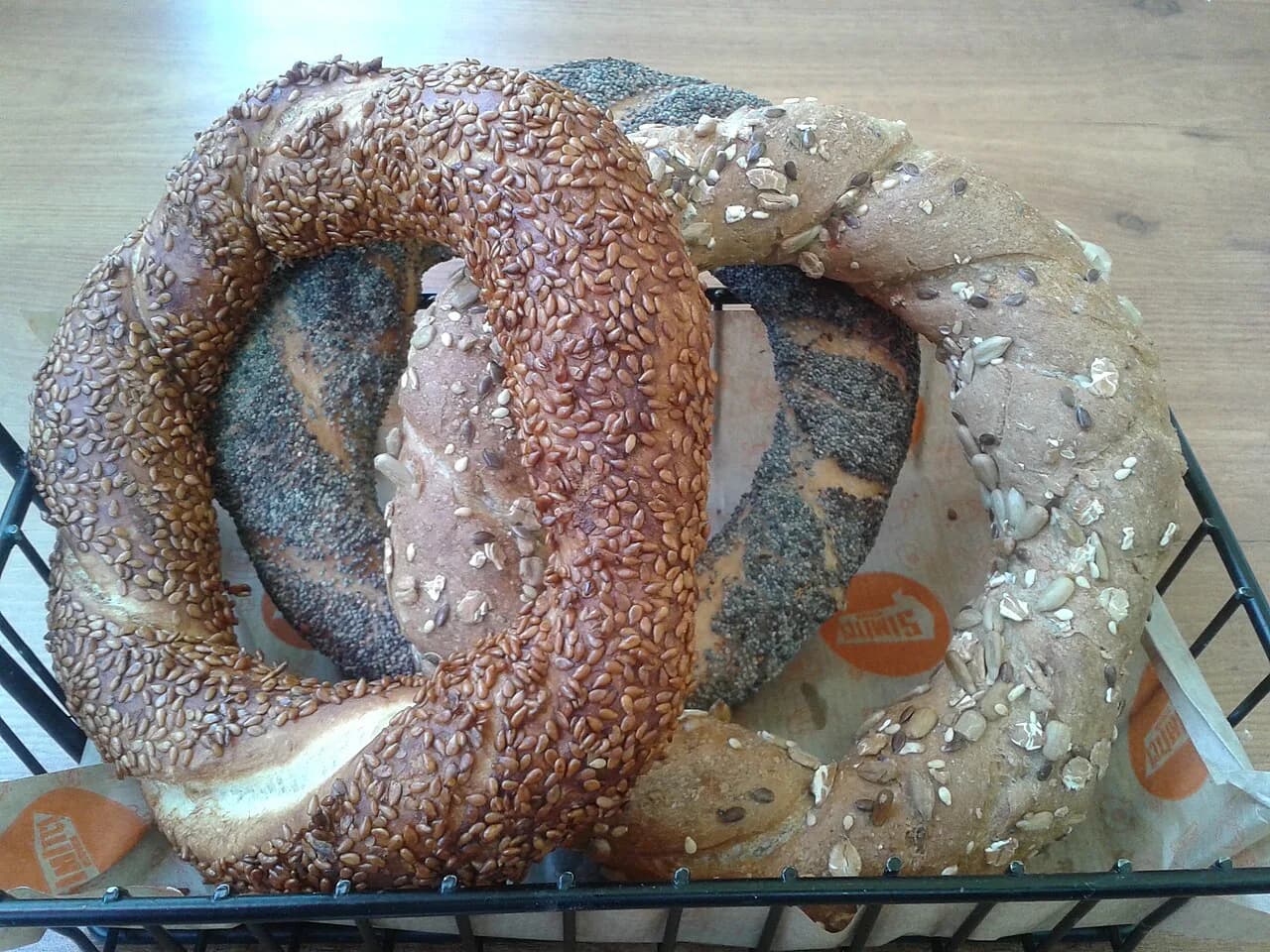
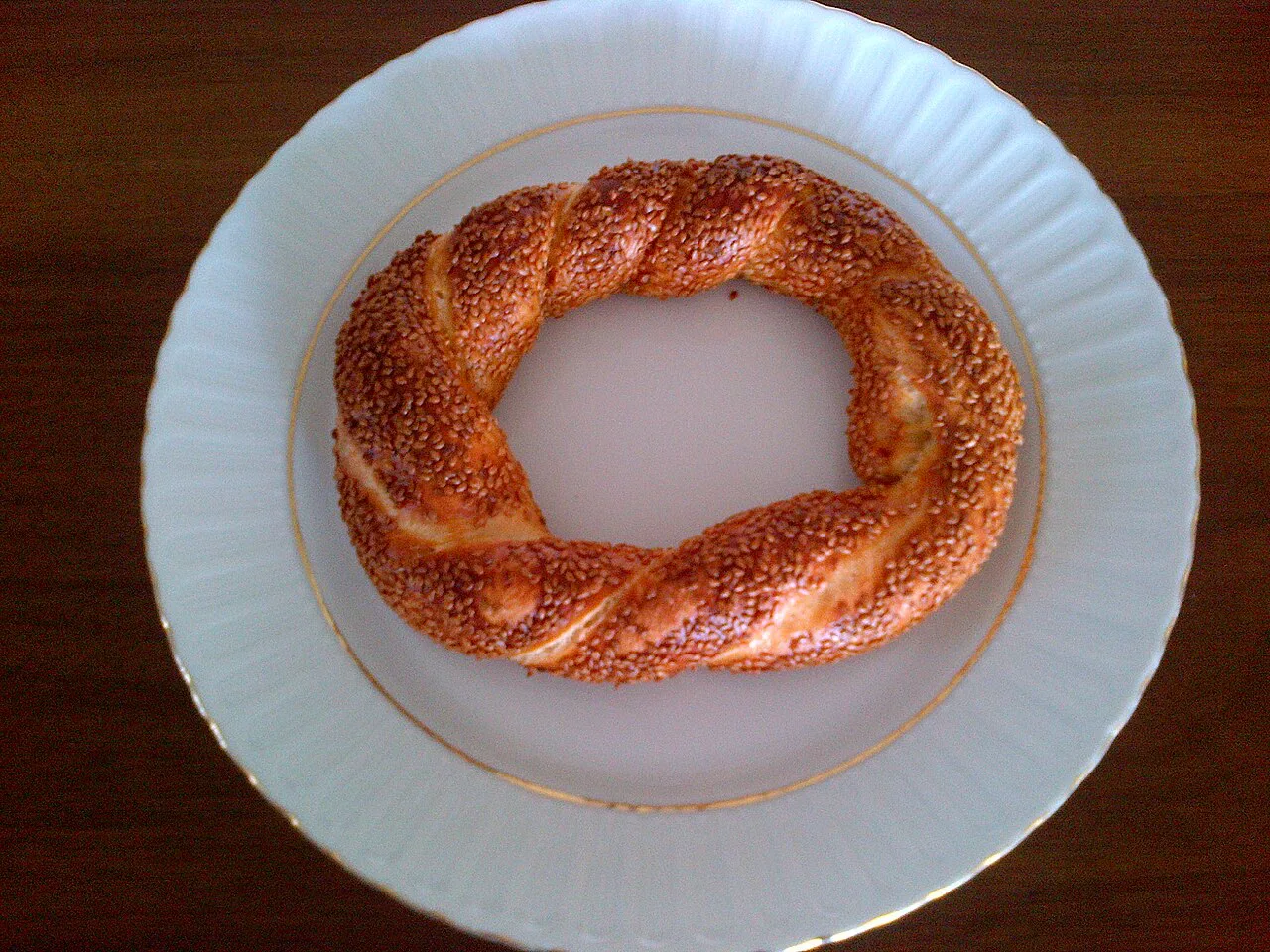
Simit is a circular bread, typically covered in sesame seeds, with poppy, flax or sunflower seeds used less often. It belongs to a family of sesame bread rings found across the eastern Mediterranean and the Balkans, and the Greek koulouri is a close cousin.
It is not a speciality of one city. Mobile simit stalls, known as simitçi, are a common sight all over Turkey, and Istanbul is where street trays are most often described. For a visitor, the practical point is that you rarely need to hunt for one: bakeries, street carts and small shops sell them through the day.
What simit is made of
The dough is straightforward: plain or bread flour, salt, sugar, dried yeast and water. What makes simit distinctive is the finish — each ring is dipped in a molasses syrup mixed with water, then rolled in sesame seeds before baking.
What is the difference between a bagel and a simit? A bagel is boiled before baking, which gives it a glossy, tight crust. Simit is dipped in watered molasses and rolled in sesame seeds instead, then baked, so it has a thicker seed crust and a slightly sweeter, nuttier flavour.
How do you pronounce simit? Roughly see-MEET, with a short, flat first syllable and the stress on the second. The final t is crisp.
How many calories are in a simit? Nutrition varies with size, recipe and seed coating, and published figures for home-baked versions are not a reliable guide to what you buy on the street. Ask at the bakery if you need a specific figure.
The syrup is pekmez, a molasses-like syrup made from fruit, usually grapes or figs, and sold in Turkish and Middle Eastern grocery shops. Recipes vary: some use pekmez alone, others pomegranate molasses or grape molasses, and the quantity of sesame seeds ranges from a modest coating to a heavy crust.
How simit is made
Bakers knead the dough, leave it to rise until doubled, then divide it into pieces and roll each into a long rope. Two ropes are twisted together, looped into a ring and pinched to seal the ends, which gives simit its characteristic braided look.
Each ring is then dipped in the watered molasses, turned in sesame seeds and left to prove briefly before baking at a high heat. The bake is short and hot, giving a deep golden crust; home recipes bake in the region of 200–220°C for roughly 15–18 minutes.
Freshness matters more than with most bread. Simit is at its best warm and on the day it is baked, and the same sources note it can be frozen if you have leftovers. Bought part-baked in the UK, it is typically reheated briefly in a hot oven.
Bagel, pretzel or simit? The texture that sets it apart
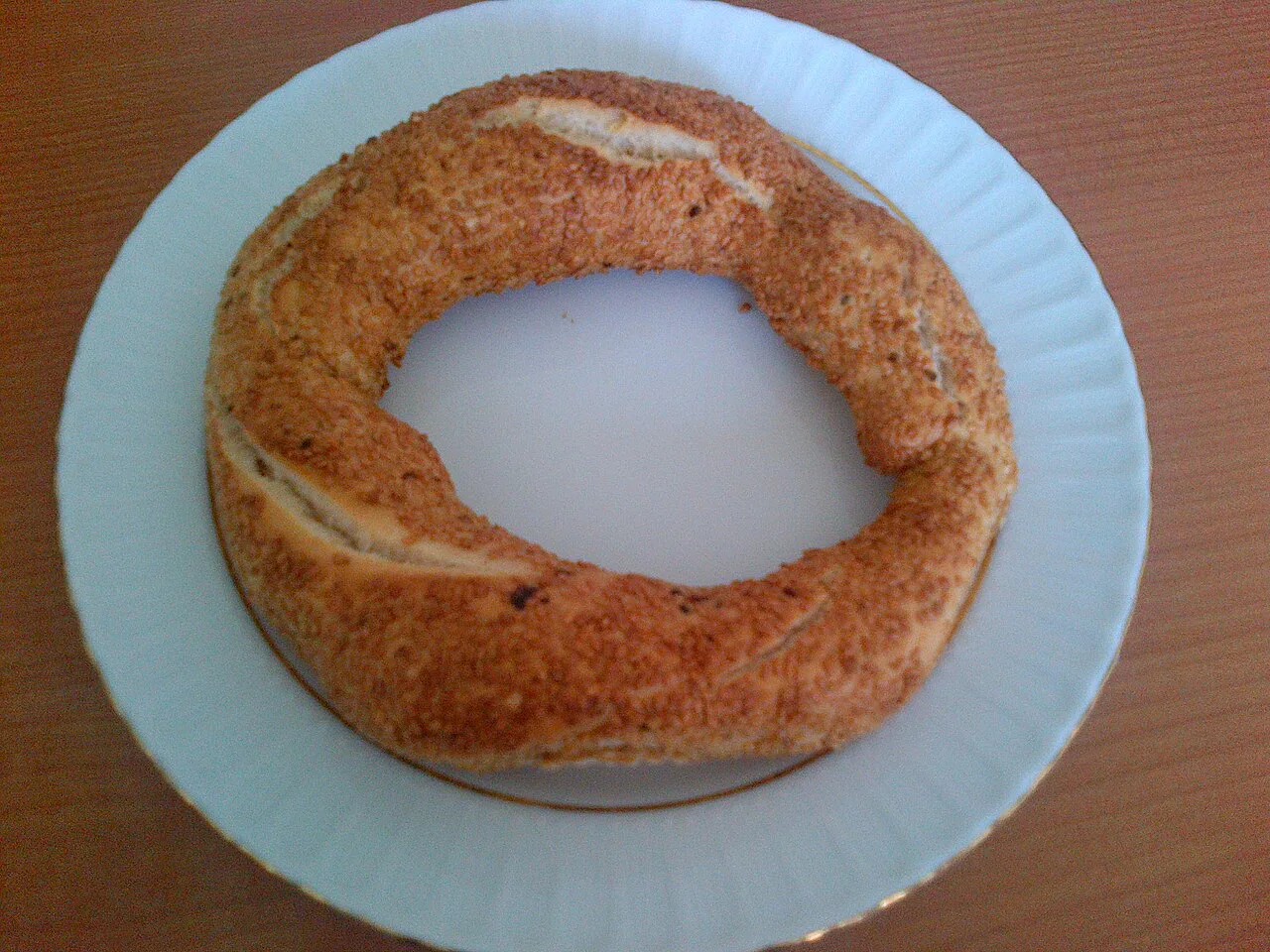
Simit looks like a bagel but the resemblance is only skin-deep. The crust comes from the molasses wash and sesame coating rather than a boiling step, and the bread is described as dense, chewy and crusty at once, with a thick seed coating.
Against a pretzel, the difference is the sweetness. Simit's colour and faint sweetness come from fruit molasses, and the sesame seeds do most of the flavouring. If you like a sesame-studded crust with a bit of chew, simit will suit you.
What simit tastes like
Expect a chewy crumb with a nutty, toasted sesame crust and a slight sweetness from the molasses wash. It is a savoury bread rather than a sweet one, which is why Turks pair it with salty and fresh things rather than jam.
The seed coating is heavy, so simit is filling for its size. One ring with a glass of tea is a realistic light breakfast; two is a proper one.
How Turks eat simit
The classic setting is breakfast: simit with çay, sliced cucumber, tomatoes, feta-style white cheese and olives. It also works mid-morning or mid-afternoon with a little cheese, or plain.
Turks generally prefer savoury accompaniments, though butter and jam are not unknown. If you are building a spread and want more context on the full morning table, see the guide to Turkish breakfast, where simit sits alongside white cheese, olives, eggs and endless tea.
Tea is the default drink, served in a small tulip glass. If you want to order it properly, Turkish tea explains the strength and sugar options you will be offered.
Simit Houses and filled versions
Alongside street carts, Simit Houses have opened around the country, selling simit with fillings such as cheese, olive paste and sucuk, the dried, spiced beef sausage.
A filled simit makes a portable lunch between sights and travels better than a plate of meze. If you are comparing it with other quick Turkish foods, lahmacun and pide are the other everyday staples worth knowing.
Buying simit on the street
Street sellers carry trays of rings or push small carts, and in Istanbul they are part of the morning street scene. The bread is sold by the piece and eaten on the move, so there is no ordering ritual — point, pay and take one.
Prices vary by city, shop and year and change with inflation, so treat any figure you read online — including on this site — as historical. Check the price at the cart or bakery counter before you buy; it is a small transaction and nobody minds being asked.
Pekmez and sesame: the two ingredients that define it
If you want to understand simit, taste the two things doing the work. Pekmez brings colour and that faint fruit sweetness, while toasted sesame brings the nutty aroma and the crunch.
Outside Turkey, both are easy to find in Turkish and Middle Eastern grocers, which is why expat cooks bother making simit at home. Pekmez also turns up in other Turkish cooking, so a jar rarely goes to waste.
Once you have eaten your way through bread, move on to the wider picture of Turkish food, from börek and meze to kebabs and desserts.
Where to try your first simit
Start with a street cart or bakery on your first morning: buy one ring, a glass of çay and a little white cheese, and eat it standing up. Then try a Simit House version with cheese or sucuk for lunch and decide which you prefer.
If you enjoy it, the same shops usually sell other Turkish baked goods, and the guides to menemen and Turkish coffee will round out a proper Turkish breakfast at home or on holiday.
Explore more Turkey guides
Frequently Asked Questions
What is the difference between a bagel and a simit?
A bagel is boiled before baking, which gives it a glossy, tight crust. Simit is dipped in watered molasses and rolled in sesame seeds instead, then baked, so it has a thicker seed crust and a slightly sweeter, nuttier flavour.
How do you pronounce simit?
Roughly see-MEET, with a short, flat first syllable and the stress on the second. The final t is crisp.
How many calories are in a simit?
Nutrition varies with size, recipe and seed coating, and published figures for home-baked versions are not a reliable guide to what you buy on the street. Ask at the bakery if you need a specific figure.
Where can I buy simit?
Street carts, bakeries and small grocery shops sell it across Turkey, and dedicated Simit Houses sell filled versions. Outside Turkey, Turkish and Middle Eastern grocers often stock part-baked or frozen simit.
Sources
Notes for your next Turkey trip
Optional updates when we add or correct a town guide.
You might also like


Continue reading
More guides you'll find useful